








Japanese Zen Garden Balcony Design Ideas
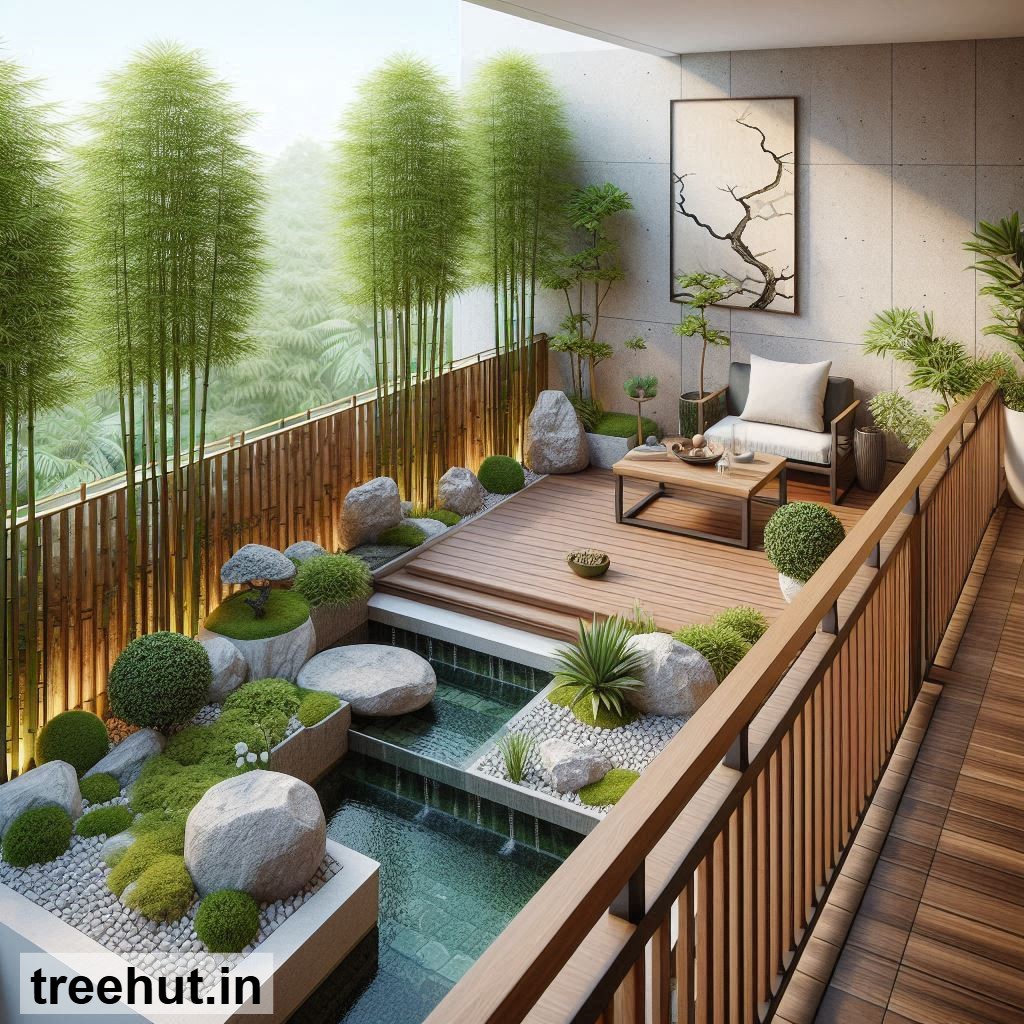
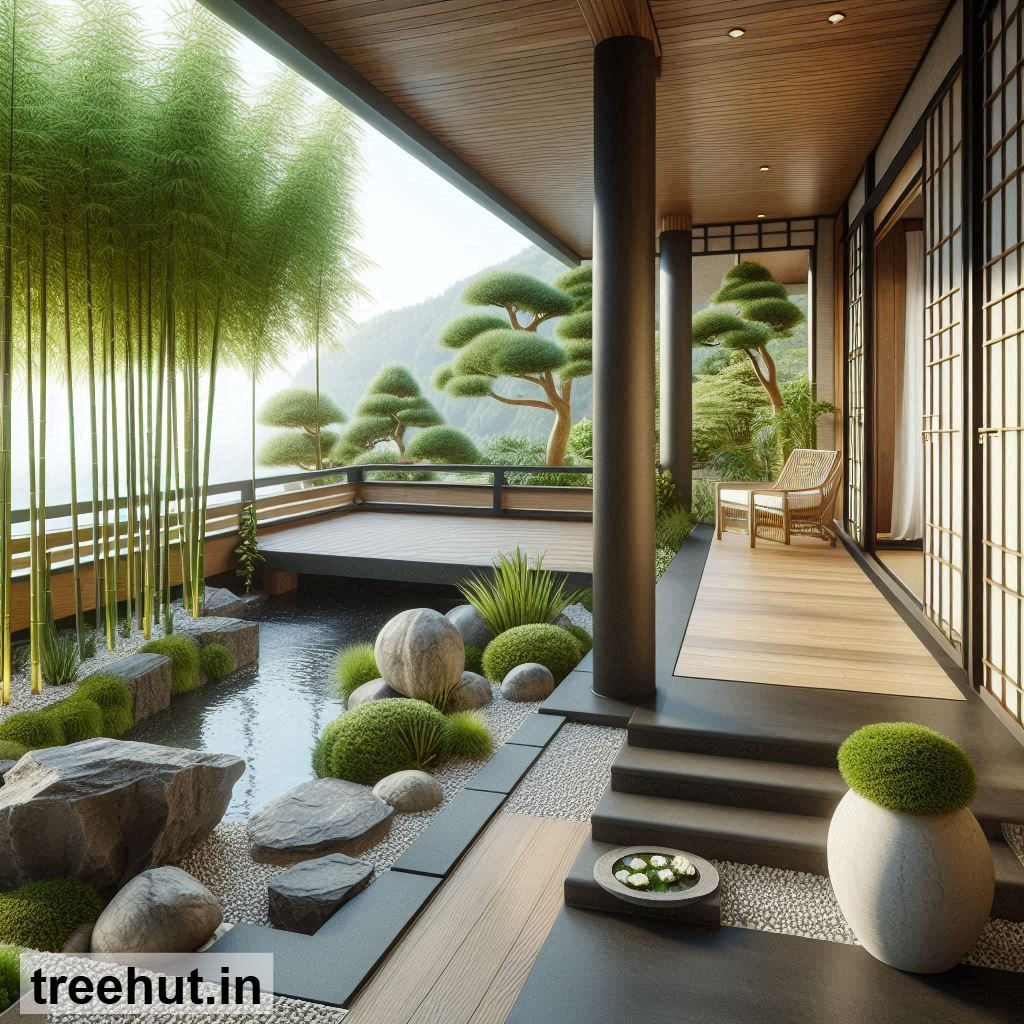
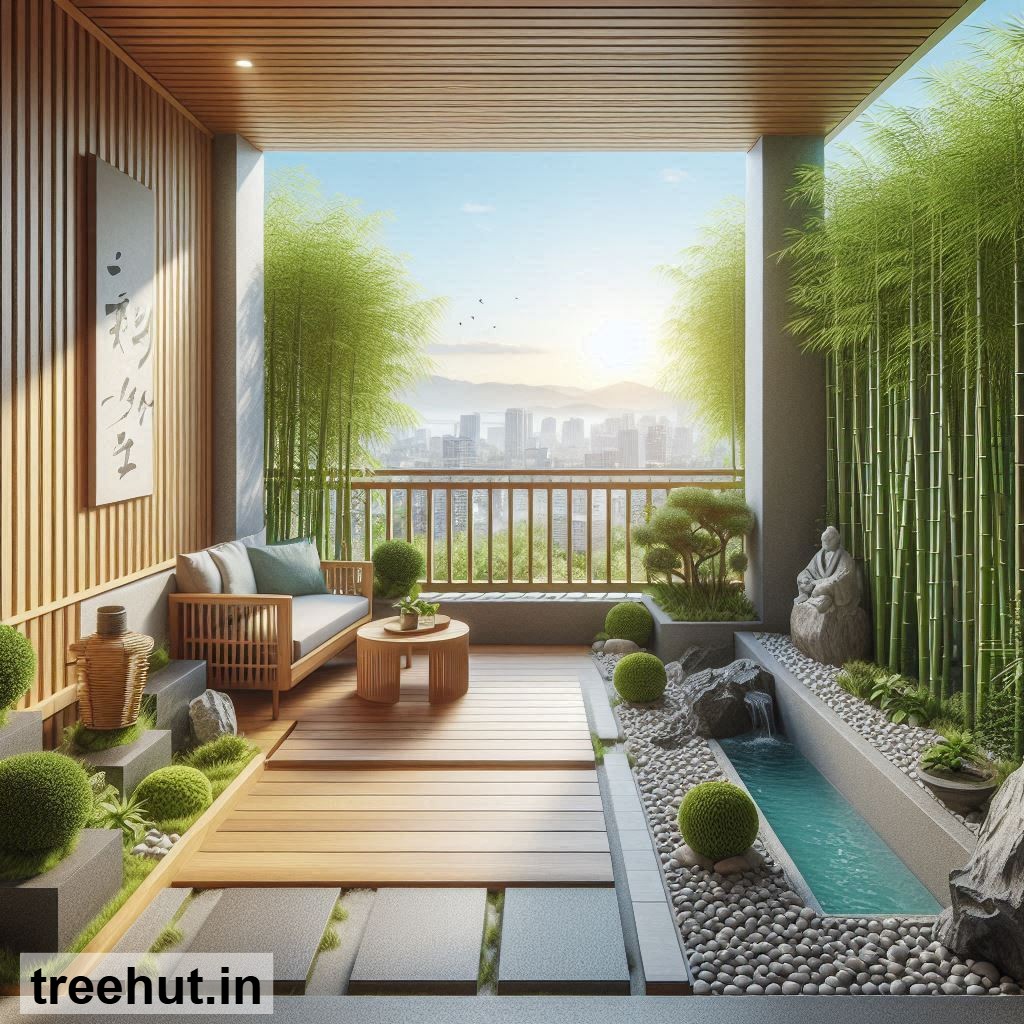
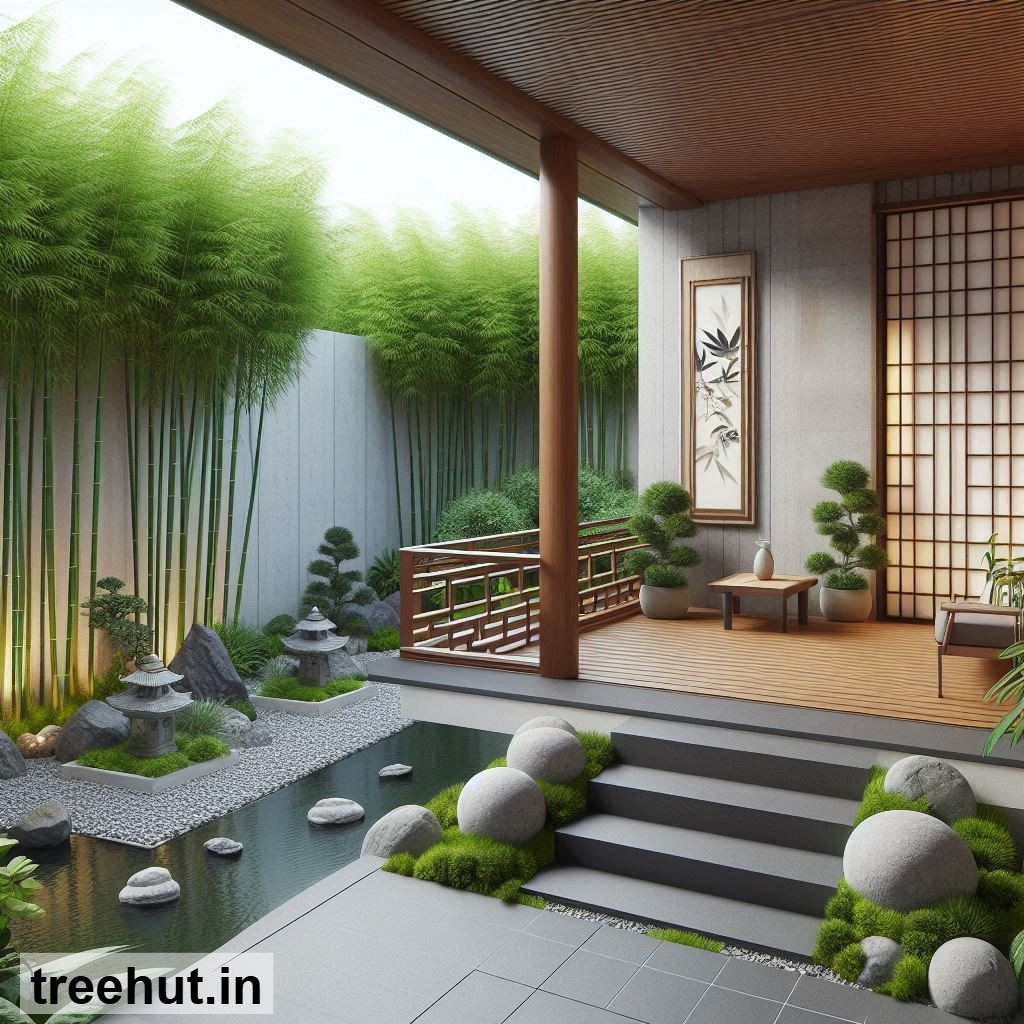
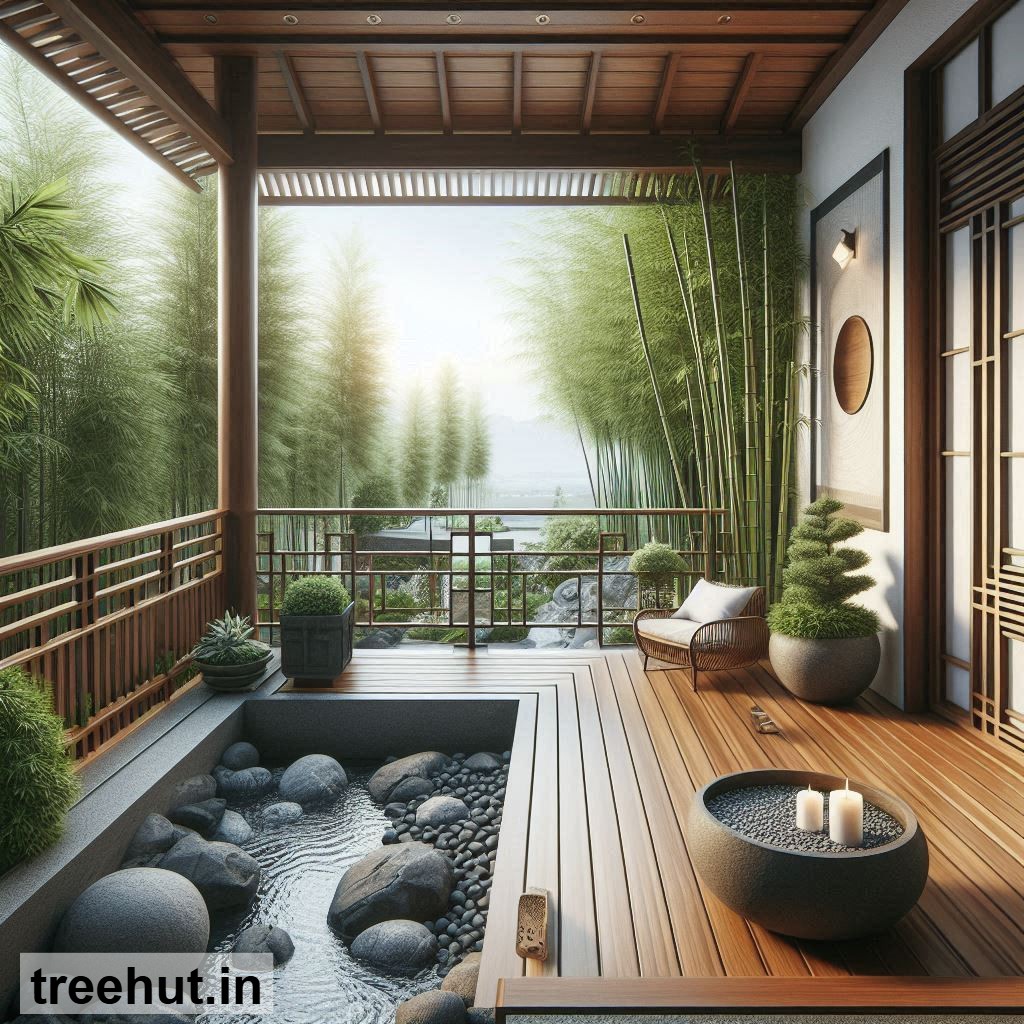
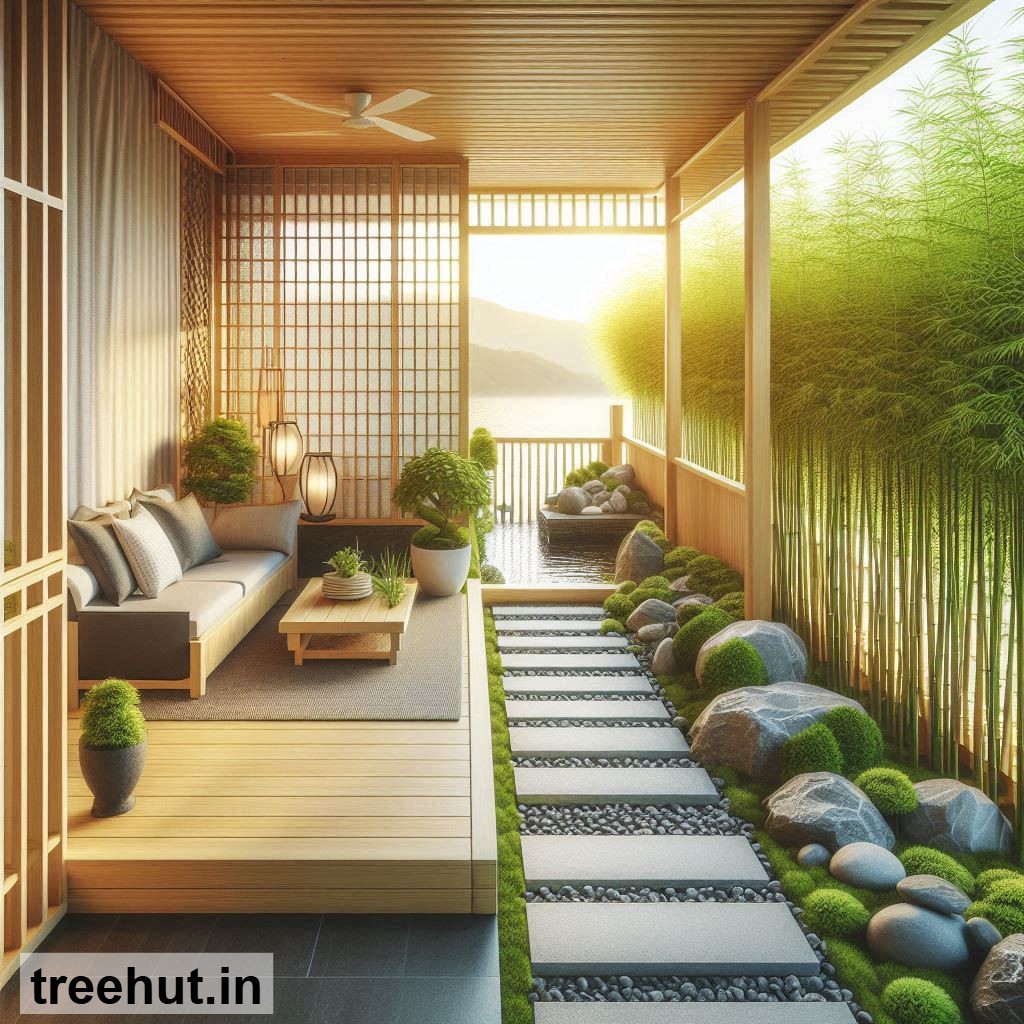
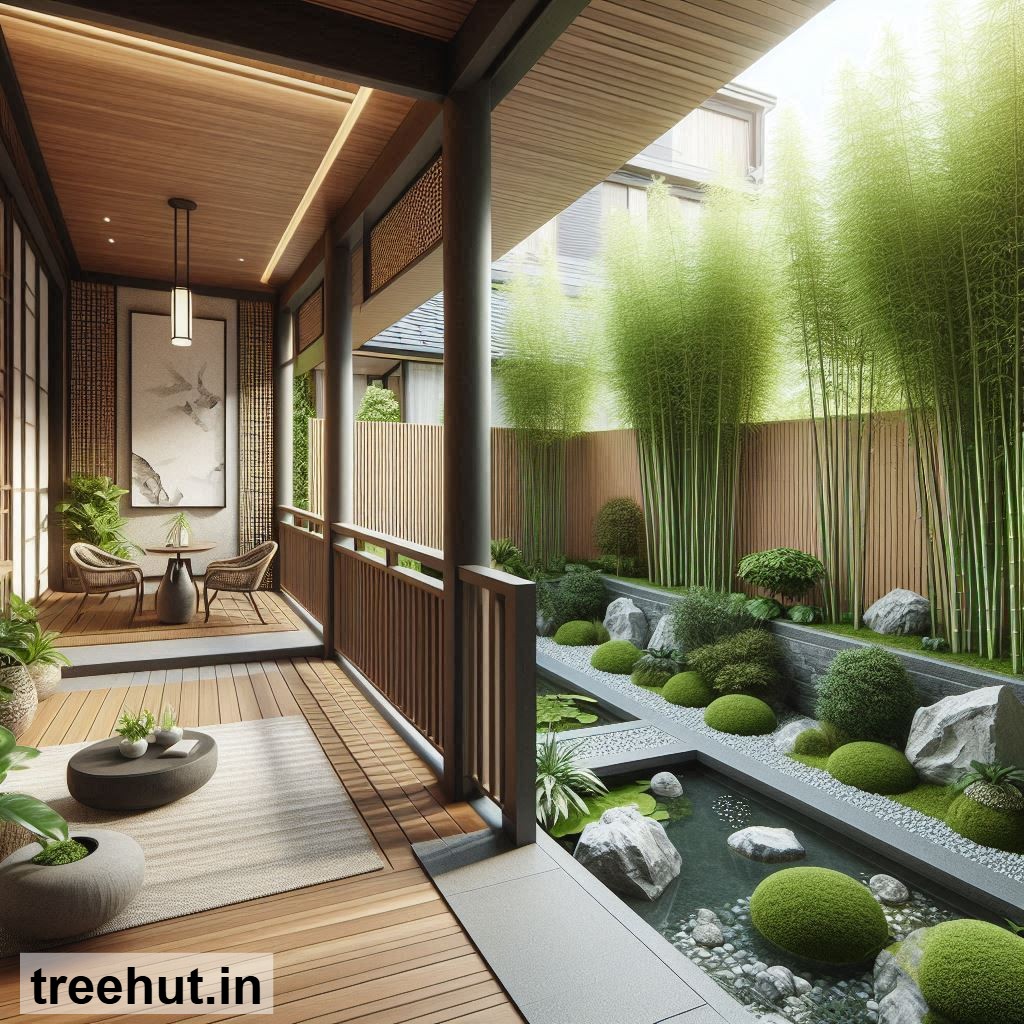
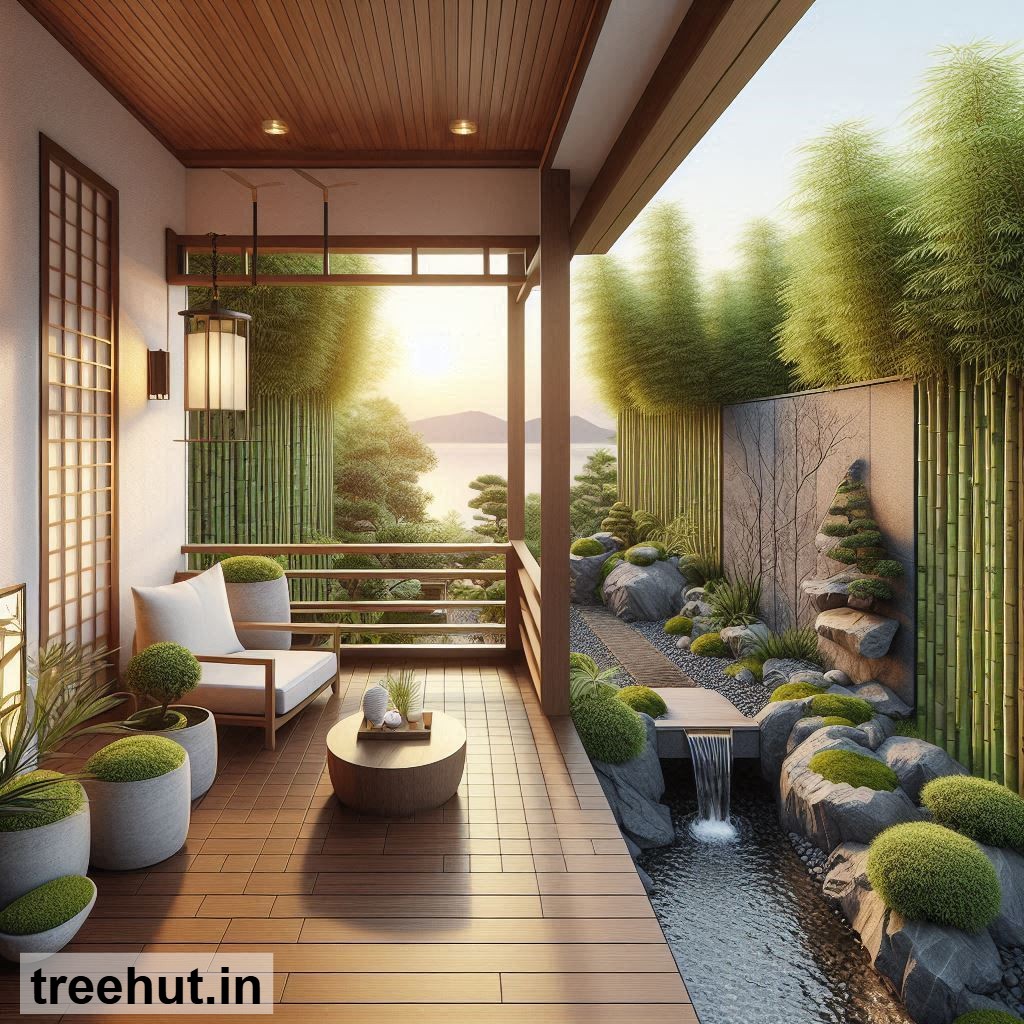
Zen design is deeply rooted in the philosophy of simplicity and harmony with nature. Every element in a Zen garden serves a symbolic and aesthetic purpose — nothing is excessive, and nothing is random. This makes it a perfect concept for small urban balconies where minimalism maximizes beauty and space. The classic components — rocks, water (real or symbolic), plants, wood, and sand or gravel — are arranged to encourage reflection, calm, and a sense of balance. The inclusion of seasonal changes and practical lighting brings this ancient philosophy into modern life seamlessly.
Compact Design Principles for Small Balconies
Not all balconies offer expansive floor space, but even the smallest ones can embrace the spirit of Zen through clever planning. Choose multi-functional elements such as a low wooden bench that doubles as storage, or hanging planters that save floor space while adding greenery at eye level. Bamboo screens or trellises can provide privacy without taking up room, and folding tatami mats can create a meditative floor zone that’s easy to pack away.
Layering your elements vertically — using shelves, railing planters, and wall-mounted décor — lets you build a Zen experience without overwhelming the footprint of the balcony. Avoid clutter, and stick to three to five core components that evoke nature and stillness. Use natural textures like unfinished wood, smooth stones, and muted ceramics to tie everything together.
Using Rocks, Gravel, and Symbolic Water
In traditional Zen gardens, raked gravel or sand represents flowing water. While it’s not always practical to use loose gravel on a balcony, you can replicate the look and symbolism by placing a shallow ceramic or wooden tray filled with fine white pebbles or sand. Use a miniature rake to create wave-like patterns. This can be a calming ritual in itself, much like tending to a bonsai tree.
Larger rocks or stone sculptures, when placed asymmetrically, can represent mountains or islands. Choose a few smooth river rocks, a small stone lantern, or a single piece of driftwood to serve as an anchor point for your design. Balance them with empty space around them — emptiness, in Zen, is as meaningful as presence.
Adding Water Features for Tranquility
Water is a key symbol in Zen philosophy, representing clarity, flow, and reflection. If your space allows, add a compact tabletop fountain powered by a quiet pump. The gentle trickle of water creates ambient sound that helps drown out city noise and promotes relaxation. Alternatively, a shallow ceramic basin with floating blossoms or smooth stones can offer the same visual impact without requiring electricity or plumbing.
In the evening, position a small waterproof LED light under the fountain to highlight its movement. The interplay of water and soft lighting brings a magical serenity to the nighttime balcony experience.
Seasonal Flowers for Year-Round Beauty
One of the most enchanting ways to enhance your Zen balcony is to plant flowers that reflect the beauty of each season. In Japanese gardens, seasonal change is honored and embraced, and your balcony can reflect this natural cycle too.
Spring: Introduce cherry blossom bonsai or hanging wisteria. While full trees may be impractical, dwarf varieties and potted blooming plants in soft pinks and whites celebrate springtime renewal. Combine them with moss or low-growing ferns for lush undergrowth.
Summer: Brighten your space with iris, hydrangea, or lotus in containers. Japanese iris adds height and elegance, while potted hydrangeas offer fullness and vibrant color. Use glazed ceramic planters in muted tones for a grounded yet luxurious look.
Autumn: Welcome the colors of fall with potted maple (Acer palmatum) saplings that display red and orange hues. You can also plant chrysanthemums in calming yellows or reds — a traditional autumn flower in Japanese culture, symbolizing longevity and rejuvenation.
Winter: Maintain green through dwarf pine, bamboo, or camellias, which bloom in cooler months. Add white stones or a sand tray to mimic snow, and place a solitary lantern for contemplative beauty. Even bare branches in a vase can echo the aesthetic of impermanence and quietude.
Rotate your plantings seasonally to keep the balcony fresh, inviting, and attuned to nature’s rhythm. Using tiered plant stands or wall-mounted pots makes this easy even on compact balconies.
Lighting for Evening Serenity
One of the most important yet overlooked elements of Zen balcony design is nighttime lighting. When the sun goes down, subtle lighting allows your space to remain a retreat, ideal for meditation, journaling, or quiet conversation under the stars.
Opt for soft, diffused lighting sources. Paper lanterns, battery-powered LED rice paper lights, or frosted glass solar lamps can be nestled among plants or hung along balcony railings. Avoid overly bright or blue-toned lights; warm white is best to mimic the soft glow of candlelight.
Place small ground-level lanterns near key features like the fountain, bonsai tree, or rock display. This creates layers of light and shadow — a poetic contrast cherished in Japanese aesthetics called "Yūgen," or the subtle profundity of the unseen. You can also tuck tea lights or LED candles into alcoves or ceramic holders for a magical flickering effect.
If the balcony is covered, a string of warm fairy lights across the ceiling edge can add a dreamy, starry sky effect. Focus on using light as a tool to enhance mood and draw attention to textures and natural shapes, rather than as a primary source of brightness.
Creating a Meditative Seating Area
A Zen balcony should offer space to sit, breathe, and reflect. Even the smallest balconies can accommodate a meditation corner with a simple floor cushion or a low bench. Choose materials like rattan, linen, or hemp, and avoid synthetic, brightly colored fabrics that clash with the organic theme.
Use a low-profile, weather-resistant wooden platform or roll-out bamboo mat as a foundation. Add a bolster or cushion for comfort. Place a small table or flat rock nearby to hold a cup of tea, incense, or a journal. Facing this nook toward your plants or the horizon invites moments of introspection and stillness.
To create a ritual around this space, use it daily — even for just five minutes. Morning or evening meditation on your Zen balcony can become a cherished self-care habit.
Incorporating Japanese Symbols and Art
Bring subtle cultural elements to deepen the connection to Zen traditions. Hang a small calligraphy scroll with a single kanji character such as “Zen,” “Mu” (emptiness), or “Wa” (harmony). Clay or stone statues of Jizo or Kannon — gentle figures of compassion — can be nestled among plants or rocks. Just ensure every object has purpose and is placed with care, avoiding kitsch or clutter.
You can also use nature-inspired artwork in soft watercolor tones or Japanese ink style, displayed in waterproof frames on the wall. Keeping these elements minimal preserves the focus on peace and reflection.
Sound and Aroma for a Full Sensory Retreat
While design often focuses on visual aesthetics, a Zen garden also embraces sound and scent to soothe the soul. Alongside your water feature, you might include a small bamboo wind chime that produces a soft, natural tone. These gentle, irregular sounds mimic nature and enhance the meditative mood.
Introduce calming aromas with natural incense, lavender planters, or small bowls of dried herbs. Essential oil diffusers with cedarwood, sandalwood, or hinoki (Japanese cypress) can be used occasionally to transport your senses to a mountain temple or quiet forest.
Practical Care and Maintenance Tips
Keeping your Zen balcony beautiful year-round requires mindful maintenance. Choose hardy, low-maintenance plants suited to your climate and light exposure. Self-watering planters or drip irrigation systems are useful for consistent care, especially in hot or dry seasons.
Clear clutter regularly. Wipe down surfaces, prune plants, and refresh gravel or soil seasonally. Revisit your layout every few months to ensure it still aligns with your personal rhythm and needs. A Zen space is never static — it evolves slowly and gracefully with time, just like you do.