

Rikkka standing flowers Japanese flower arrangement Ideas
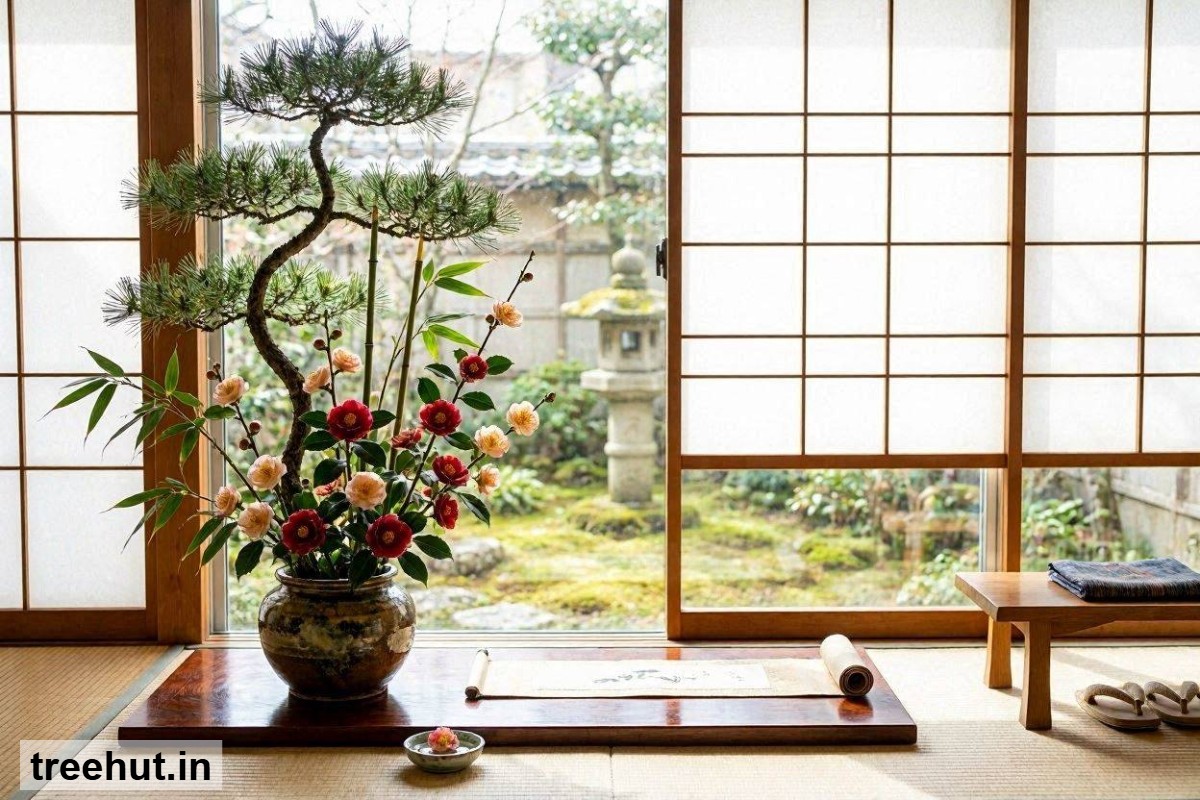
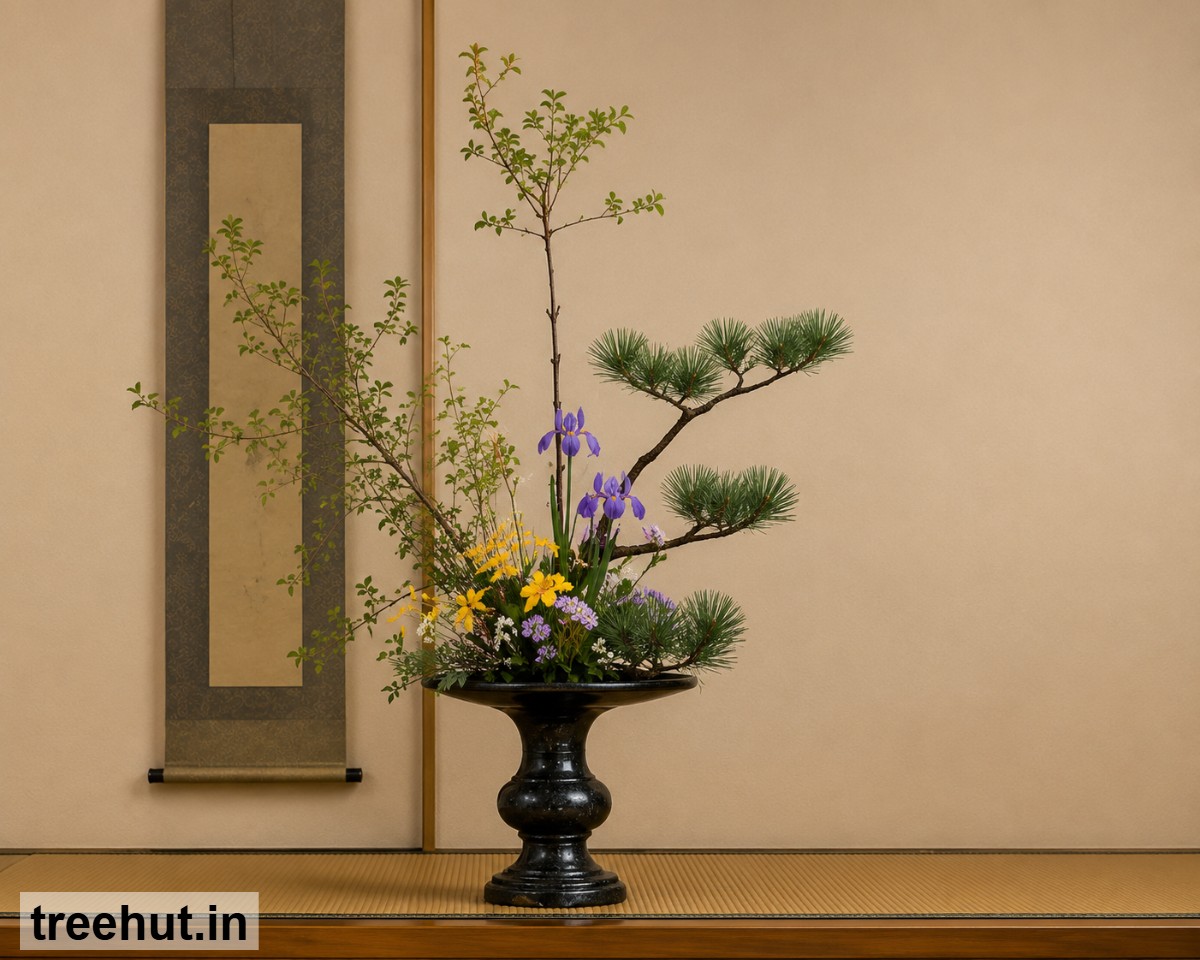
Rikka is the oldest and most formal style of Japanese ikebana, created to represent the harmony of nature and the universe. Its upright composition symbolizes the connection between heaven, earth, and humanity, using carefully balanced lines and natural forms to express order, peace, and spiritual beauty.
Design Elements: Tall vertical lines symbolize heaven and aspiration, lower branches represent earth and stability, while the overall balanced arrangement represents harmony between humans and nature. Empty space is intentionally used to symbolize simplicity, tranquility, and the beauty of nature.
Flora Used: Pine symbolizes longevity and resilience; plum blossom represents perseverance and hope because it blooms in late winter; bamboo symbolizes strength, flexibility, and integrity; chrysanthemum represents longevity, nobility, and the Imperial Family; iris symbolizes protection, courage, and purification; maple branches represent the beauty of seasonal change; and evergreen foliage symbolizes eternal life and continuity.
Seasons Used: Spring arrangements feature plum blossoms and camellias to symbolize renewal and new beginnings. Summer uses irises and fresh greenery to represent vitality and growth. Autumn highlights chrysanthemums and maple branches to celebrate maturity, gratitude, and the beauty of change. Winter arrangements use pine, bamboo, and evergreen foliage to symbolize endurance, hope, and longevity.
Festivals and Special Occasions: Rikka arrangements are traditionally displayed during Japanese New Year celebrations to welcome good fortune and long life, at temple ceremonies to express reverence and spiritual harmony, during tea gatherings and cultural exhibitions to celebrate the beauty of nature, and at weddings and formal ceremonies to symbolize prosperity, harmony, happiness, and lasting relationships.