




Madhubani Painting Design Ideas Mithila Art Ideas, Indian Art Ideas
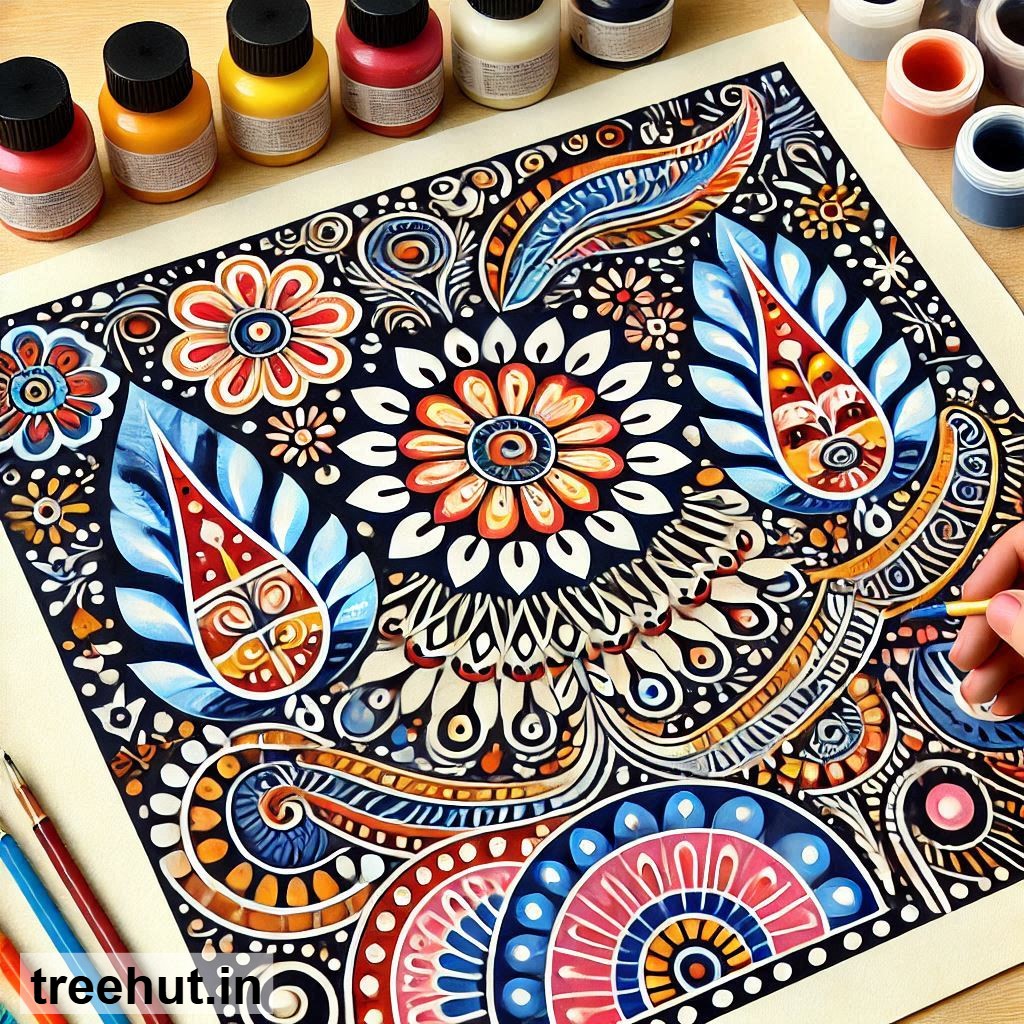
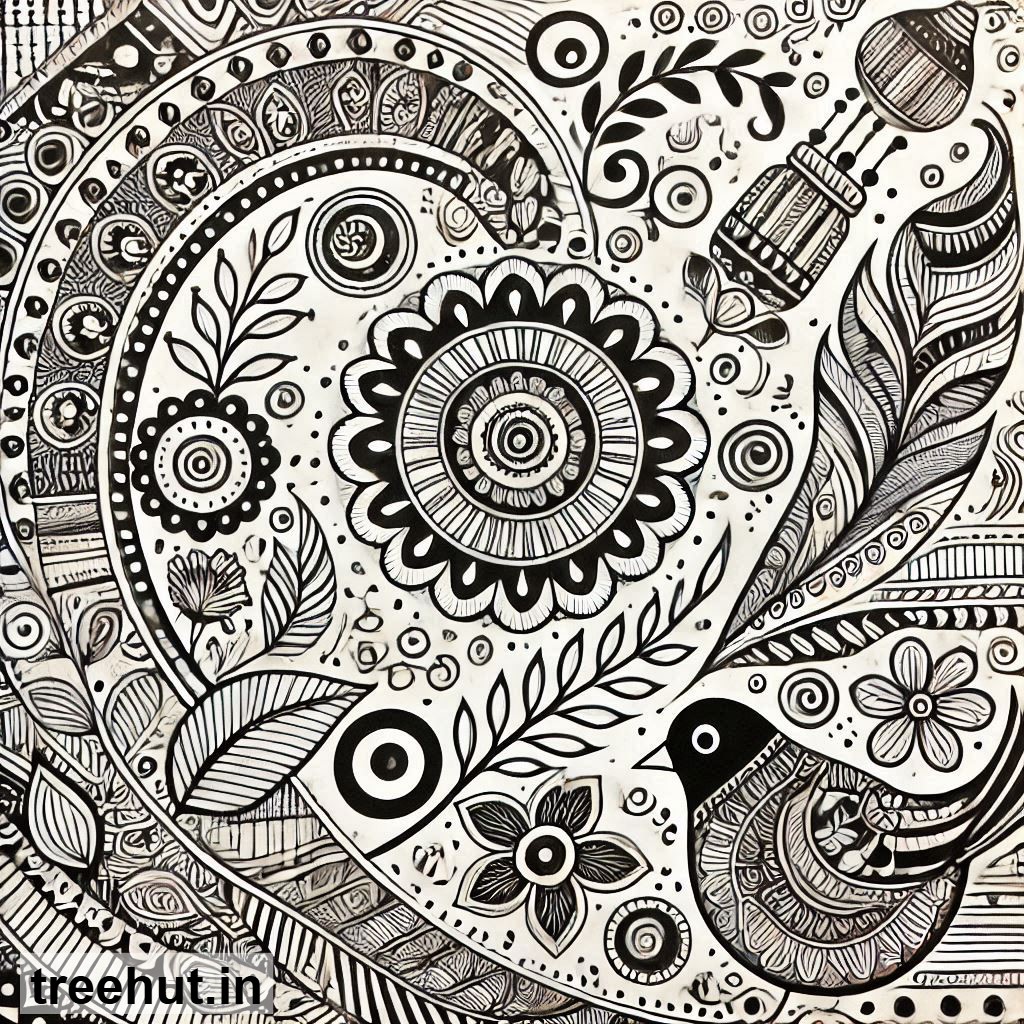
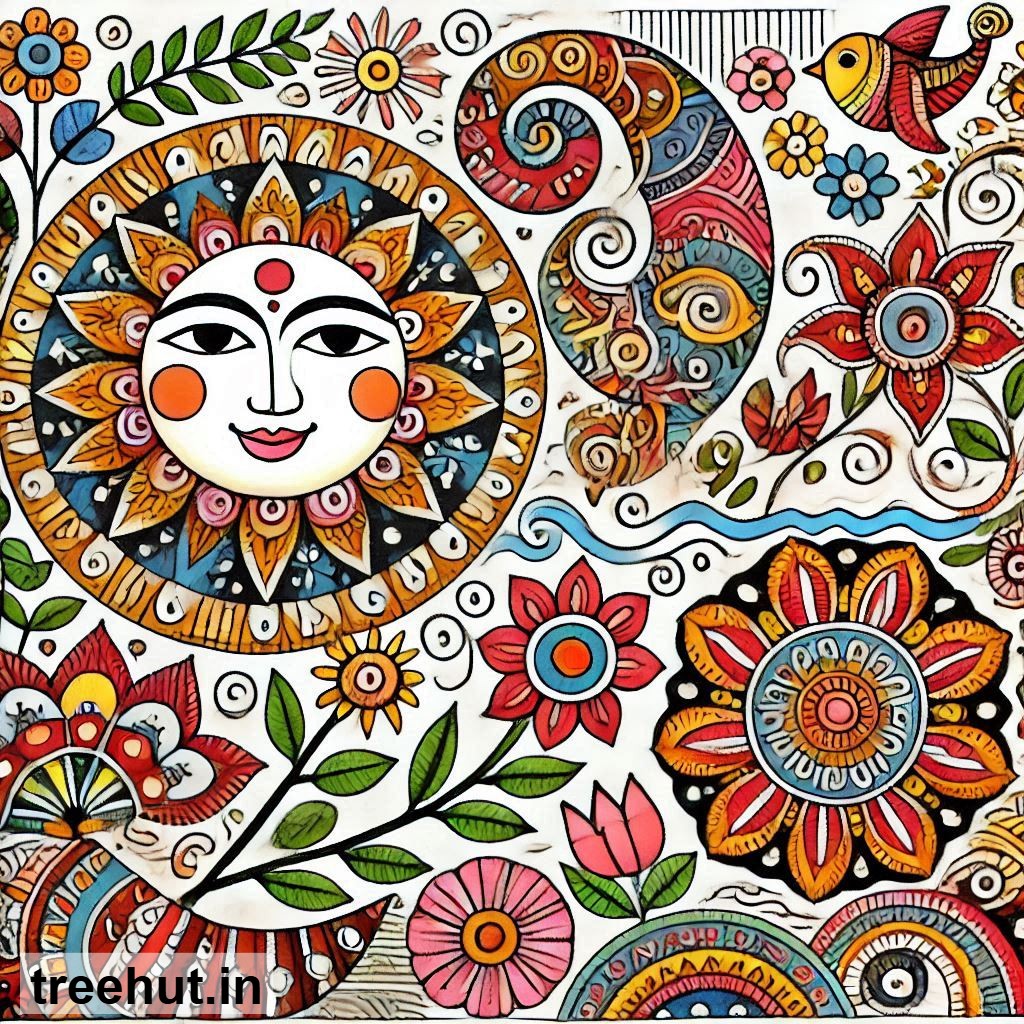
Madhubani Painting Design Ideas: Madhubani, or Mithila art, is a vibrant folk painting style originating from the Mithila region of Bihar, India. Known for its intricate patterns, mythological themes, and use of natural colors, this art form is traditionally created using fingers, twigs, or matchsticks. Madhubani designs are rich in symbolism and perfect for wall art, textiles, stationery, and even contemporary jewelry or home décor.
Floral Borders and Frames: Use repetitive lotus, sunflower, or tulsi leaf motifs to create decorative frames or borders. These are ideal for painting on greeting cards, mirrors, or cloth panels.
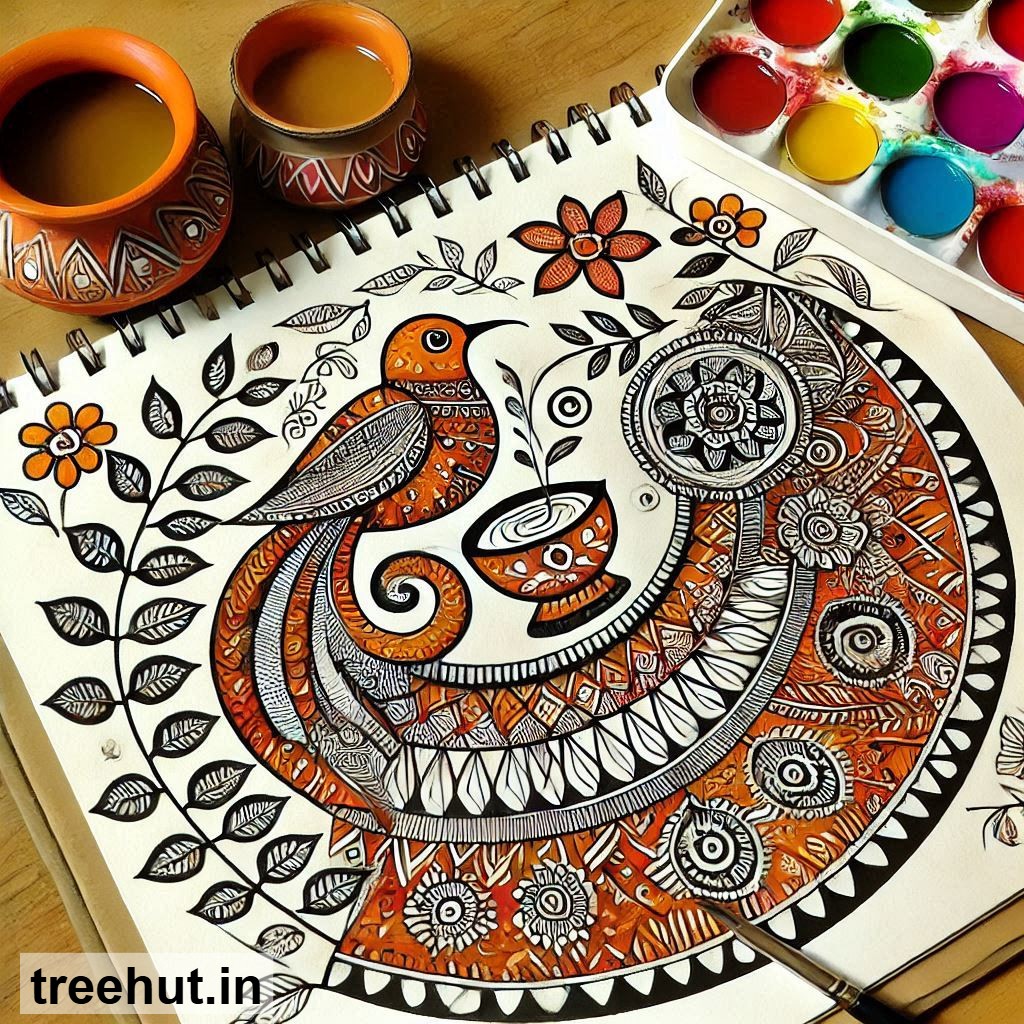
Peacock and Bird Motifs: Peacocks are one of the most beloved motifs in Madhubani art. Their elegant shapes are filled with dense patterns like fish scales, waves, or concentric curves. Parrots, swans, and sparrows are also frequently used to depict love and nature.
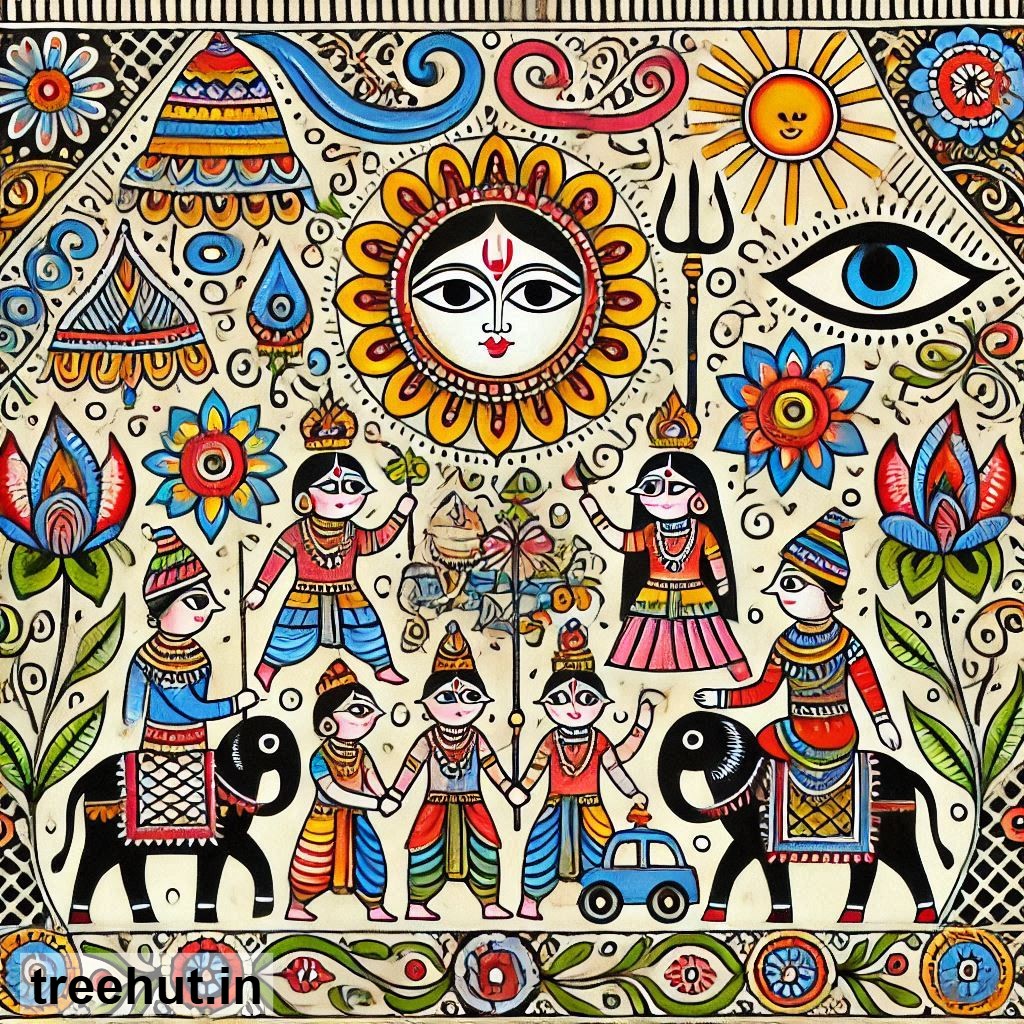
Scenes from Hindu Scriptures: Depictions of Hindu deities like Krishna-Radha, Shiva-Parvati, and Ram-Sita are central to traditional Madhubani. Illustrate stories such as Krishna lifting Govardhan or Sita’s swayamvar with symbolic backgrounds and divine elements like lotuses and sun.
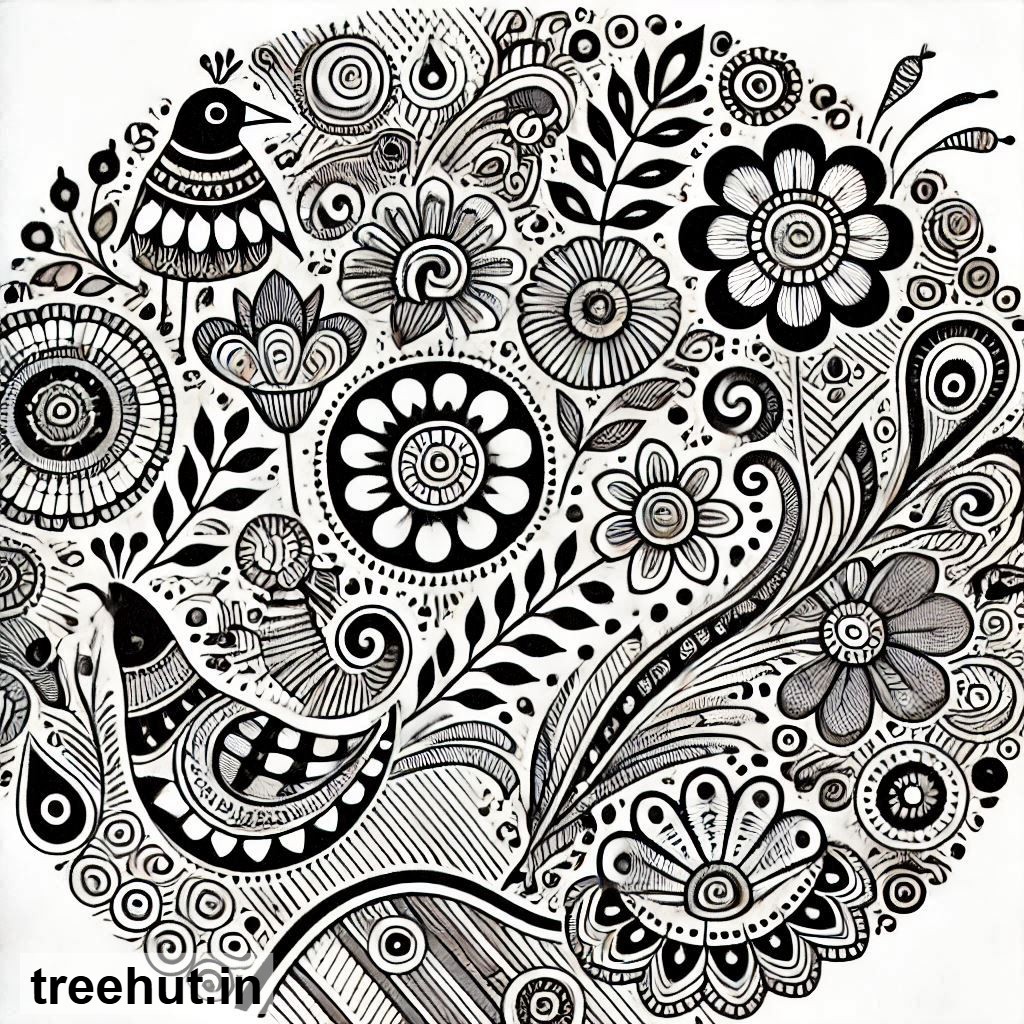
Geometric Fills and Grids: Fill shapes with fine line grids, zigzags, checkered patterns, or spirals to create depth and visual interest. Every inch of space is traditionally filled, leaving no gaps in design.
Tree of Life Motif: A symbolic representation of fertility and growth, the Tree of Life can be painted with birds, animals, and divine figures nestled within its branches. It works beautifully on canvas, walls, and saris.
Elephants and Bulls: These represent power, protection, and abundance. Often shown with ornate blankets and decorative patterns, they are common in both ritual and festive compositions.
Fish and Turtle Designs: Fish symbolize fertility and prosperity in Madhubani, while turtles stand for stability and longevity. Combine with waves and aquatic plants to create dynamic compositions.
Sun and Moon Motifs: Often placed as divine eyes in the composition, the sun and moon are painted with facial features and surrounded by radial lines, floral bursts, or spiral rays.
Goddess Motifs: Depict forms of goddesses like Durga, Kali, and Lakshmi in a highly stylized manner—wide eyes, sharp noses, and symbolic elements like tridents, lotuses, or lions. These are often surrounded by intricate mandala-style halos and bordered by floral vines, showcasing divine energy and feminine power.
Village Life Scenes: Illustrate daily village activities such as women fetching water, farmers ploughing fields, or children playing. These scenes celebrate rural life and are often framed with trees, birds, and geometric patterns, making them suitable for murals or handmade storybooks.
Wedding Rituals: Madhubani is often used to decorate wedding chambers and illustrate nuptial customs. Design ideas include scenes like Sindoor Daan, Doli, or traditional bridal processions, filled with symbolic motifs like dholaks, lotus feet, and garlands.
Astrology Symbols: Mithila artists often represent astrological signs like the sun (Surya), moon (Chandra), or planetary deities, especially in ceremonial paintings. Combine zodiac symbols with floral borders or divine figures for a spiritual touch.
Animals in Harmony: Paint multiple animals—like elephants, deer, fish, and birds—interacting within a shared natural space. This style, filled with trees and flowers, reflects ecological balance and storytelling through pattern repetition.
Madhubani on Sarees and Textiles: Apply stylized motifs like fish borders, peacocks on pallu ends, or tree of life along pleats. The linear style and repetitive pattern make it suitable for hand-painting on cotton, tussar, or silk fabrics.
Festival Scenes: Create compositions celebrating festivals like Holi, Diwali, or Chhath Puja. Use motifs like diyas, ghats, water pots, and people in ritual poses. Bright colors and symmetry enhance the festive energy.
Tips & Techniques: Use natural dyes from turmeric, soot, and leaves for traditional authenticity. Always begin with the borders before filling the central figure or narrative. Maintain balance between dense and sparse areas to avoid visual clutter. For modern products, seal with varnish when painting on wood, or use fabric medium when working on textiles to ensure durability.
Stick to natural or earthy tones like red, yellow, black, green, and indigo for authenticity. Use pen nibs, matchsticks, or bamboo pens to maintain fine detailing. Keep outlines bold and steady, and maintain symmetry throughout. Traditional Madhubani does not use shading—fill spaces with lines, dots, and motifs instead. For modern applications, consider painting on fabric, pots, or wooden panels.