
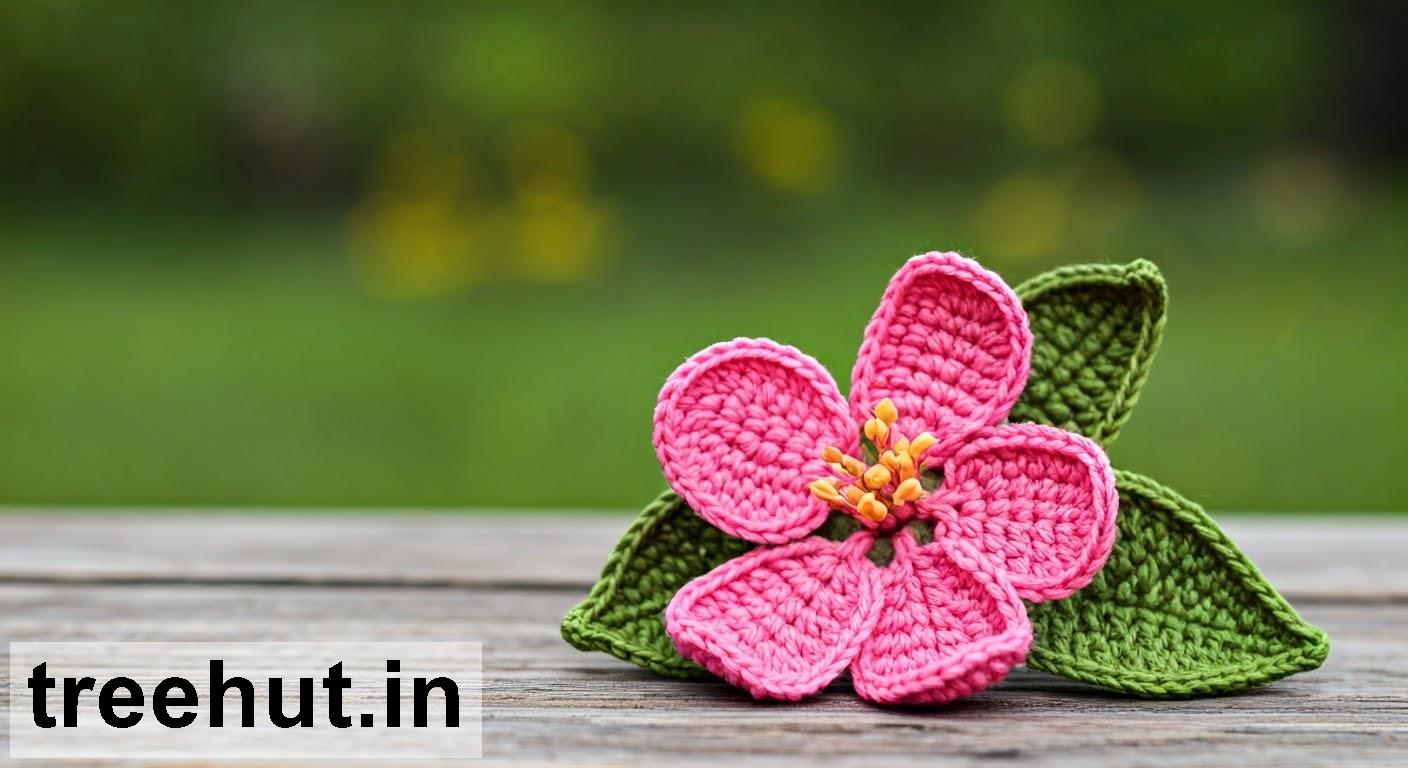
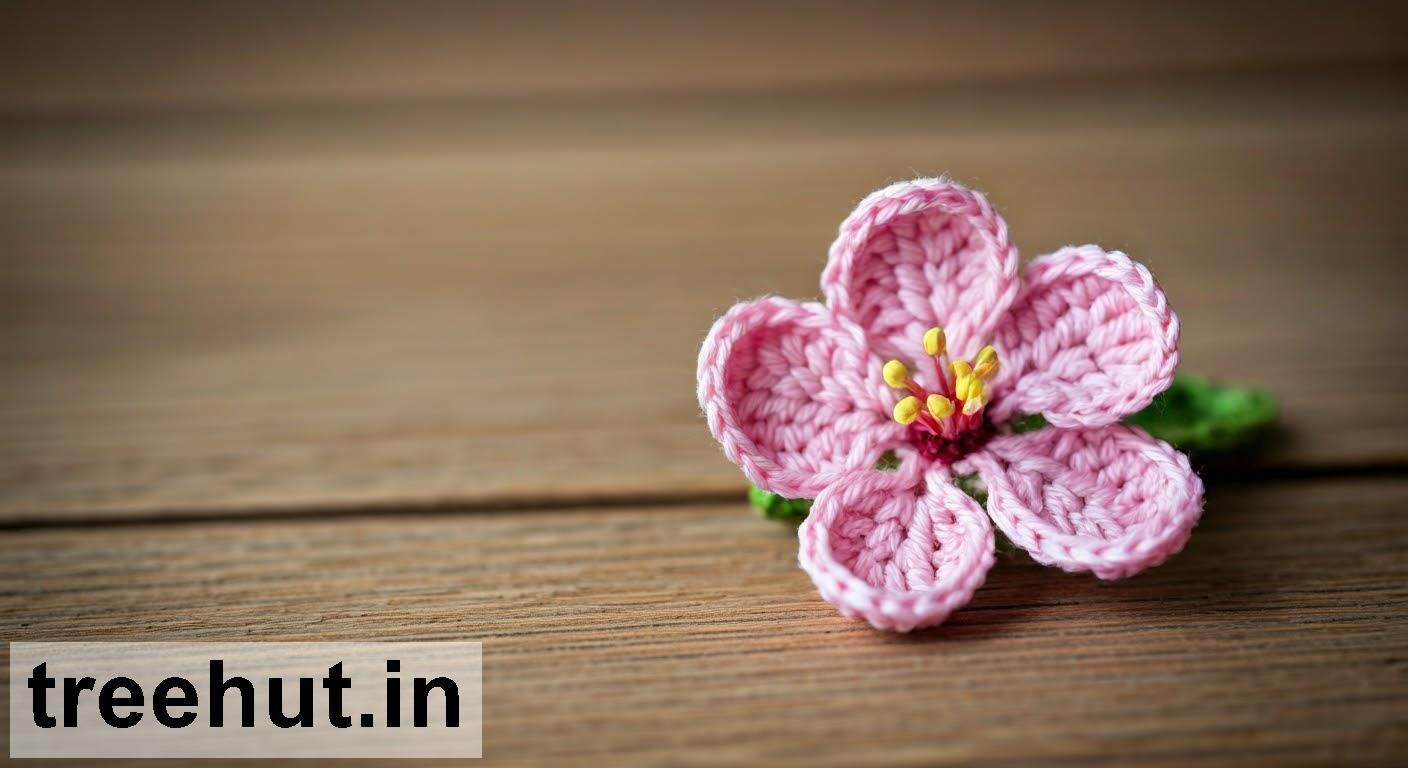
Simple Crochet Flower Ideas, Crochet Ideas
Essential Tools and Materials
Before you can begin crocheting your first flower, you'll need to gather a few essential tools and materials. Choosing the right supplies can make a significant difference in your learning experience and the final outcome of your projects.
Choosing the Right Yarn for Your First Flowers
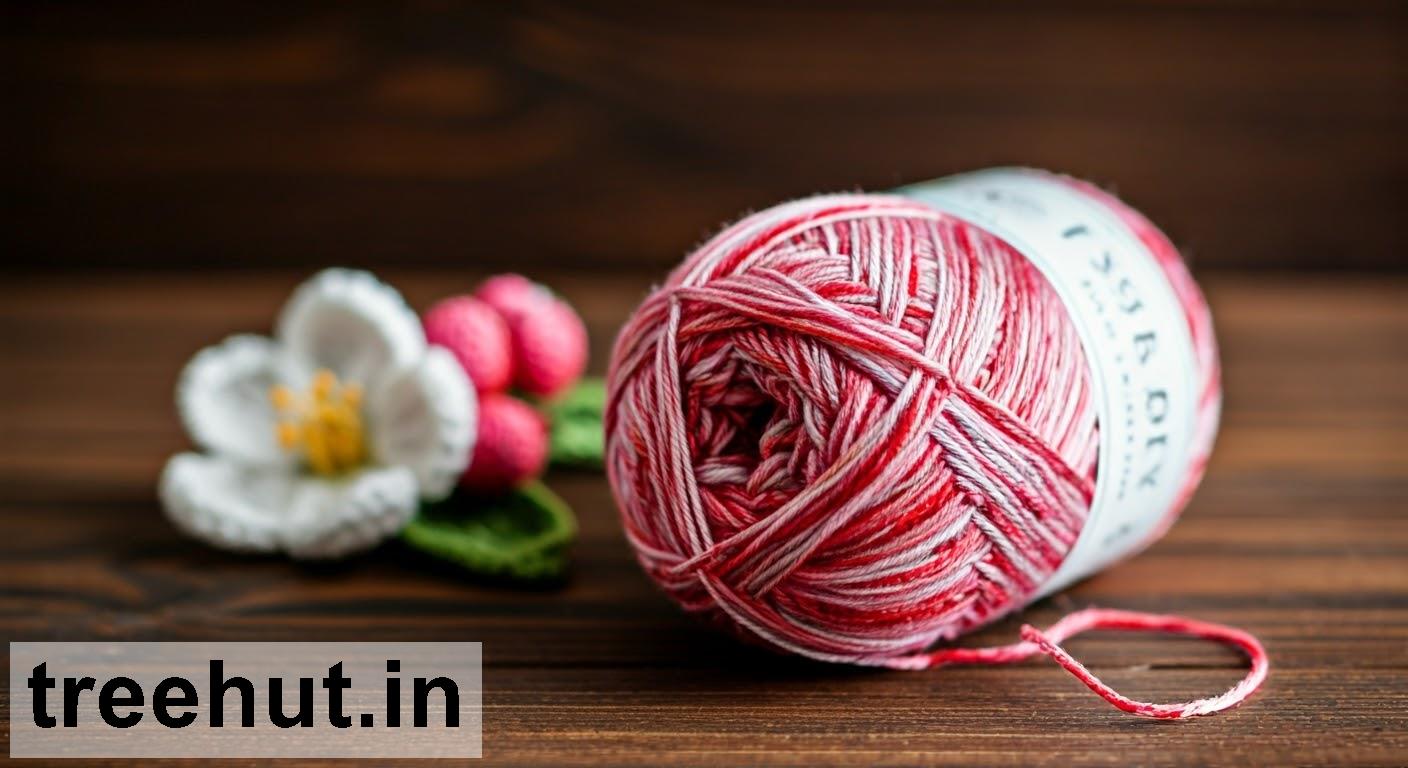
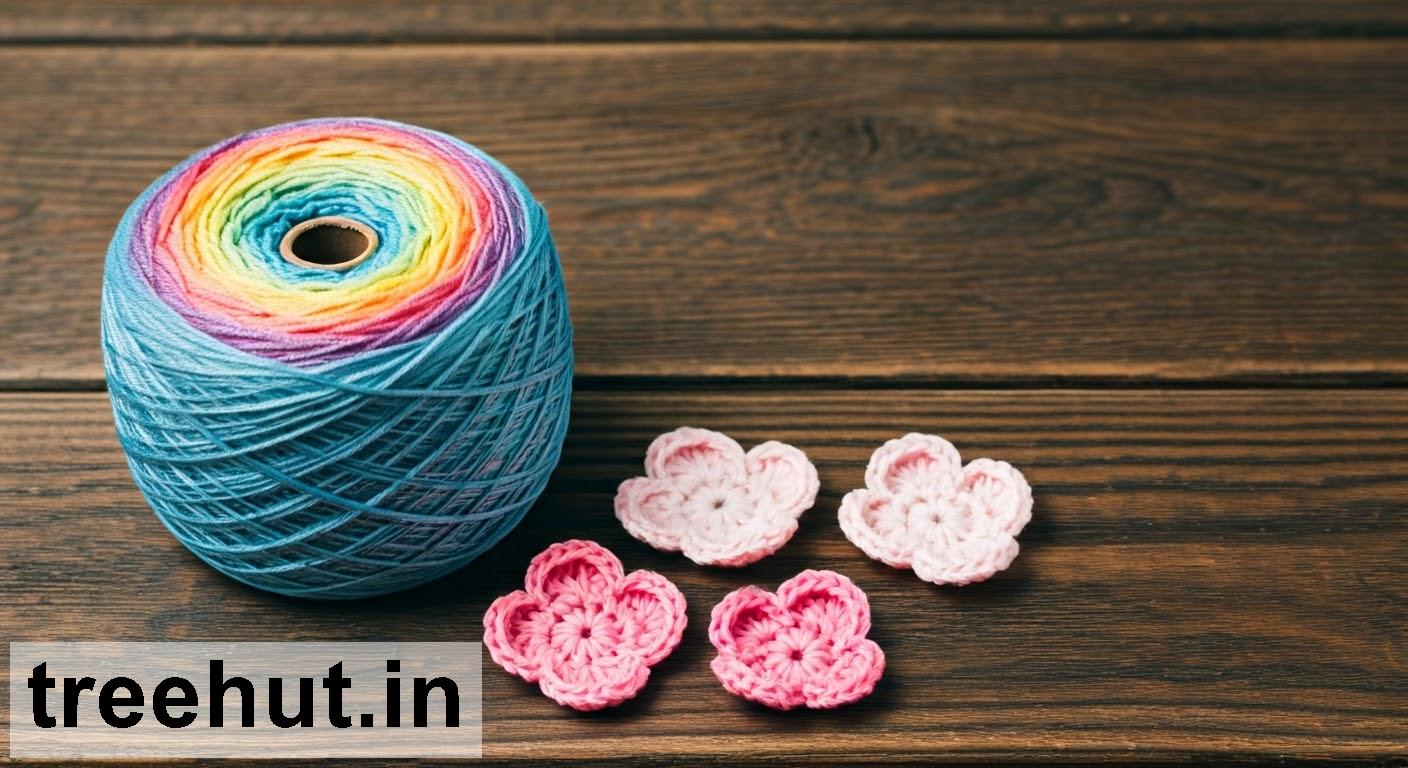
The type of yarn you choose will influence the ease of learning and the look and feel of your finished crochet flower. For beginners, it's generally recommended to start with a medium weight yarn, also known as worsted or aran weight, or a DK weight yarn.
When it comes to the fiber type, acrylic yarn is an excellent choice for beginners.
While smaller-weight yarns like lace or sport can be used to create delicate and intricate flowers, they are often best saved for when you have gained more experience.
Looking at some examples from simple flower patterns, one pattern uses Lion Brand Vanna White Yarn
Selecting Beginner-Friendly Crochet Hooks
Choosing the right size and type of crochet hook is just as important as selecting the right yarn. The size of your hook will largely depend on the weight of the yarn you are using. For medium or DK weight yarns, it's a good idea to start with a common size hook such as a 4mm (G/6), 5mm (H/8), or 5.5mm (I/9).
Crochet hooks are sized both metrically (in millimeters) and with US or UK letter/number designations, and often both sizes are marked on the hook itself.
Crochet hooks are made from various materials, including aluminum, plastic, bamboo, and ergonomic designs with cushioned handles.
Using the correct hook size ensures comfortable handling and allows the stitches to form properly. Beginners should aim for a hook that feels natural in their hand and pairs well with their chosen yarn, making the process smoother and more enjoyable.
Other Helpful Tools
In addition to yarn and a crochet hook, you will also need a pair of sharp scissors to cut your yarn ends. A yarn needle, also known as a tapestry needle, with a large eye will also be useful for weaving in the loose ends of yarn once you have finished your crochet flower or project.
Fundamental Crochet Stitches for Flowers
Simple crochet flowers often rely on just a handful of fundamental crochet stitches. Once you have a grasp of these basics, you'll be well on your way to creating beautiful blooms.
Slip Knot and Chain Stitch: The Foundation
Every crochet project begins with a slip knot on your hook. This creates the initial loop from which all your stitches will be formed. Following the slip knot, the chain stitch (ch) is the most fundamental stitch in crochet.
Single Crochet (sc) and Double Crochet (dc): Creating Texture and Height
The single crochet (sc) is a short, tight stitch that creates a dense fabric. It is often used to create a solid base for other stitches or for projects where a close-knit texture is desired. The double crochet (dc) is a taller stitch than the single crochet, creating a more openwork fabric and adding texture. It is a very common stitch used for creating the petals of crochet flowers.
Slip Stitch (sl st): Joining and Finishing
The slip stitch (sl st) is a very short stitch used to join rounds or rows together neatly and to finish off your crochet projects.
Magic Ring/Circle: Starting Flower Centers
For many crochet flower patterns, particularly those worked in the round, you'll encounter the magic ring or magic circle technique.
If you find the magic ring technique a bit tricky to master at first, don't worry! You can also create a closed center by simply chaining a few stitches (often 5 or 6) and then joining the first and last chain with a slip stitch to form a ring.
Simple Crochet Flower Ideas and Patterns
Now that you have a basic understanding of the essential tools, materials, and stitches, let's explore some simple crochet flower ideas and patterns that are perfect for beginners.
The Easiest Crochet Flower Ever: A Step-by-Step Guide
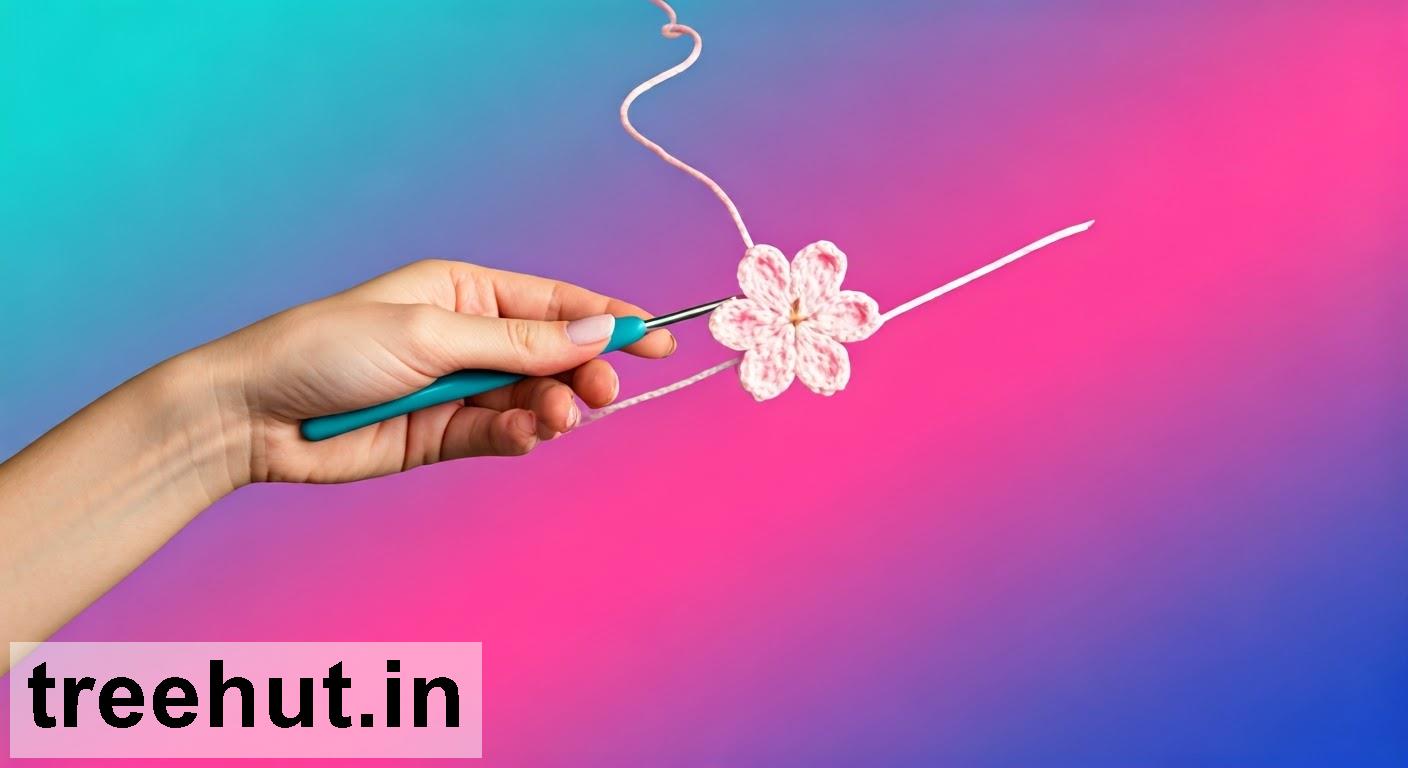
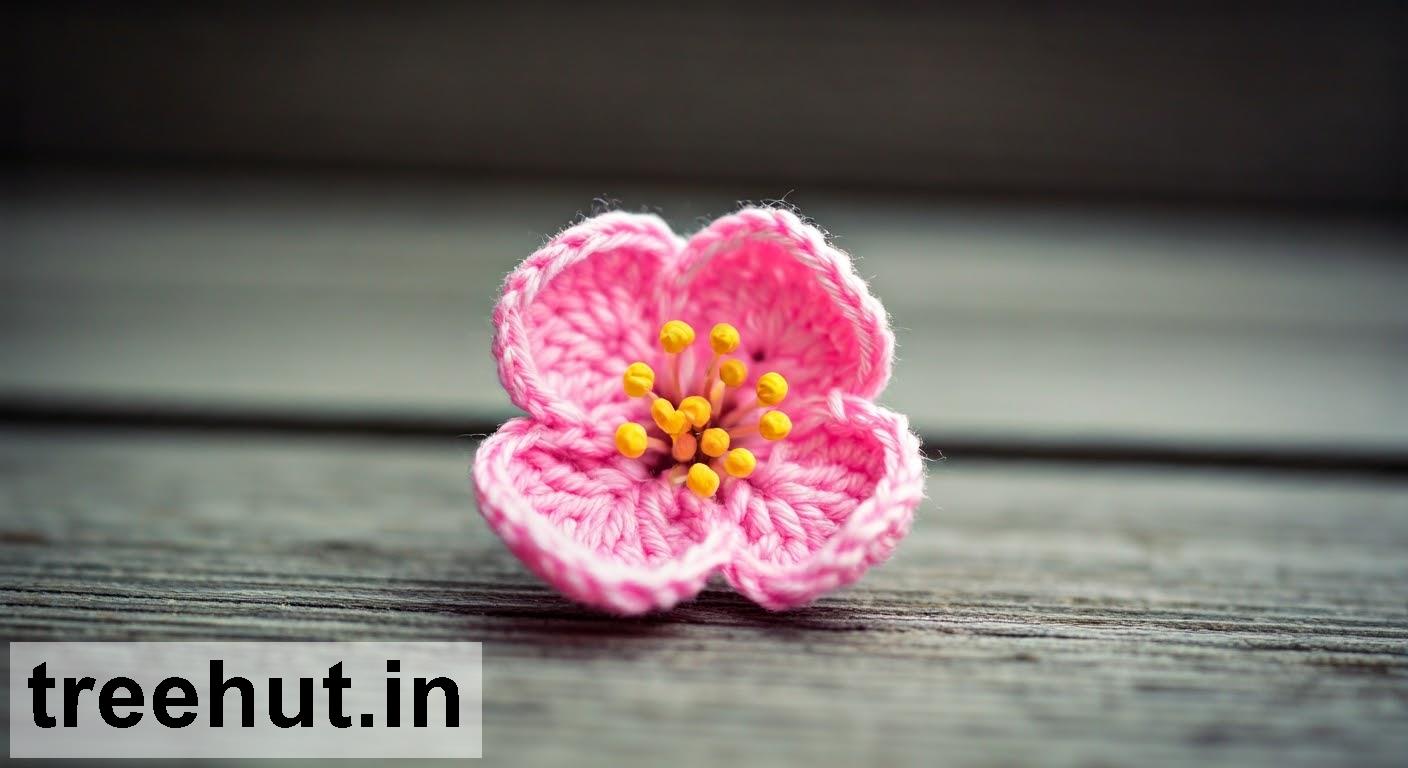
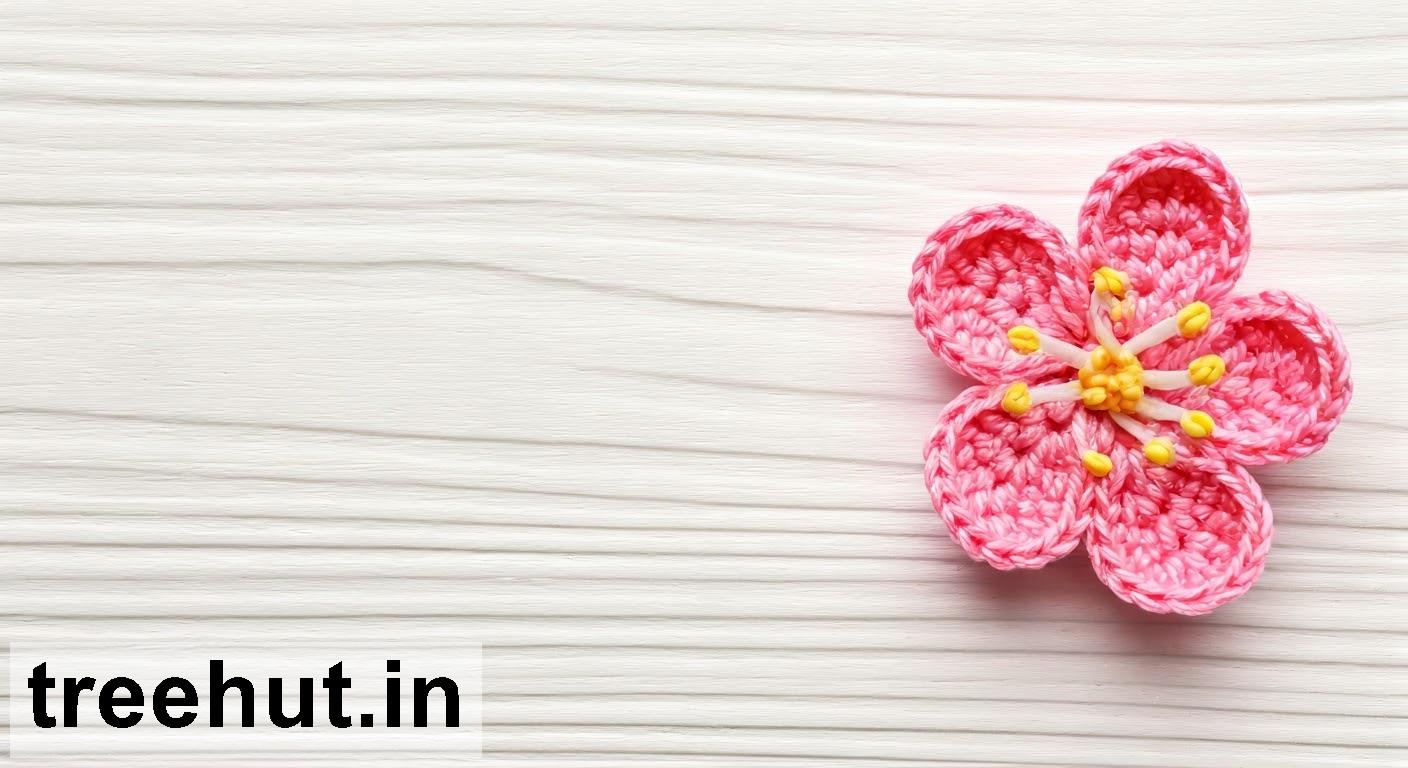
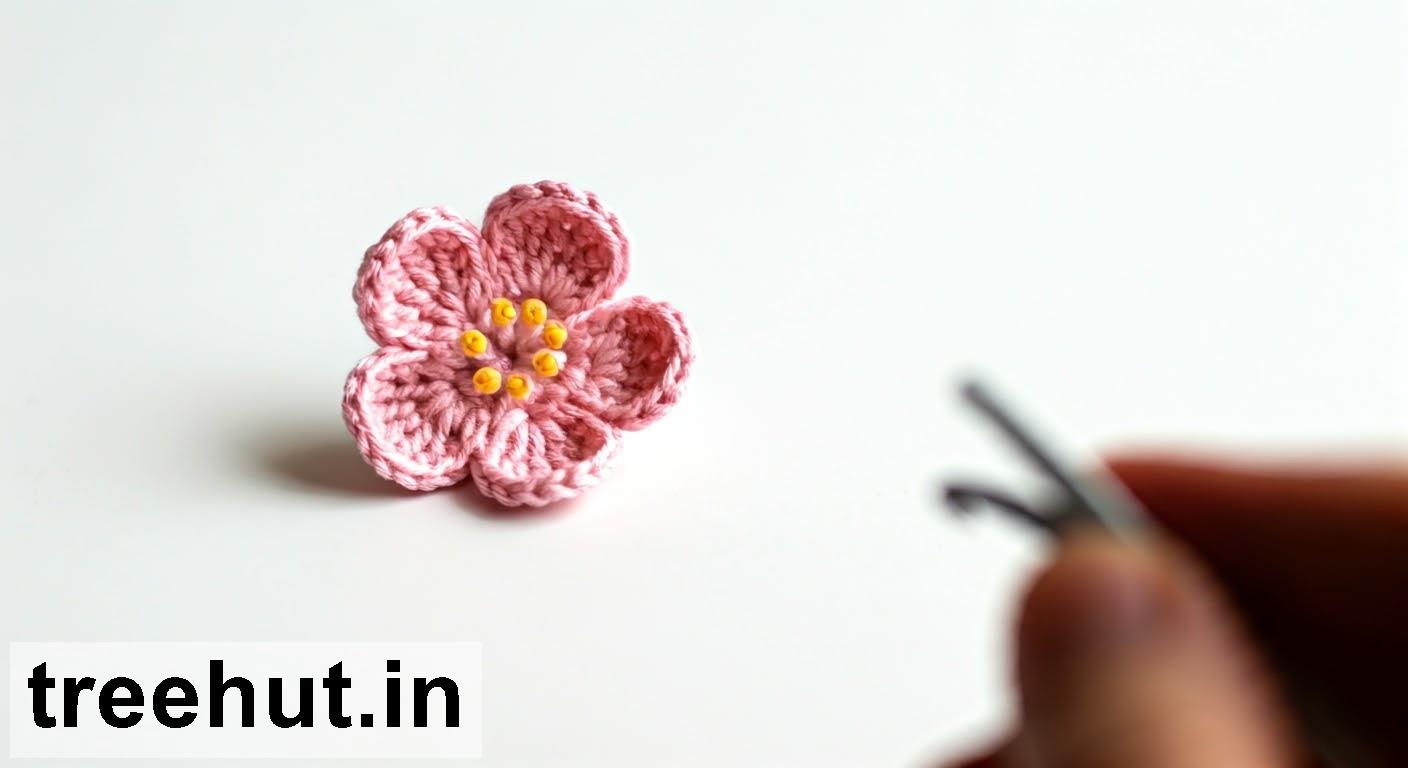
One pattern that truly lives up to its name is "The Easiest Crochet Flower Pattern Ever!".
Materials:
- Crochet Hook – size G (4.25mm)
- Worsted weight yarn in your desired color
Instructions:
- Chain 7 (ch 7). This will form the base for your flower's center.
- Slip stitch (sl st) into the first chain. This creates a small circle, which will be the center of your flower.
- Chain 2 (ch 2). This chain will act as a starting point for your first petal.
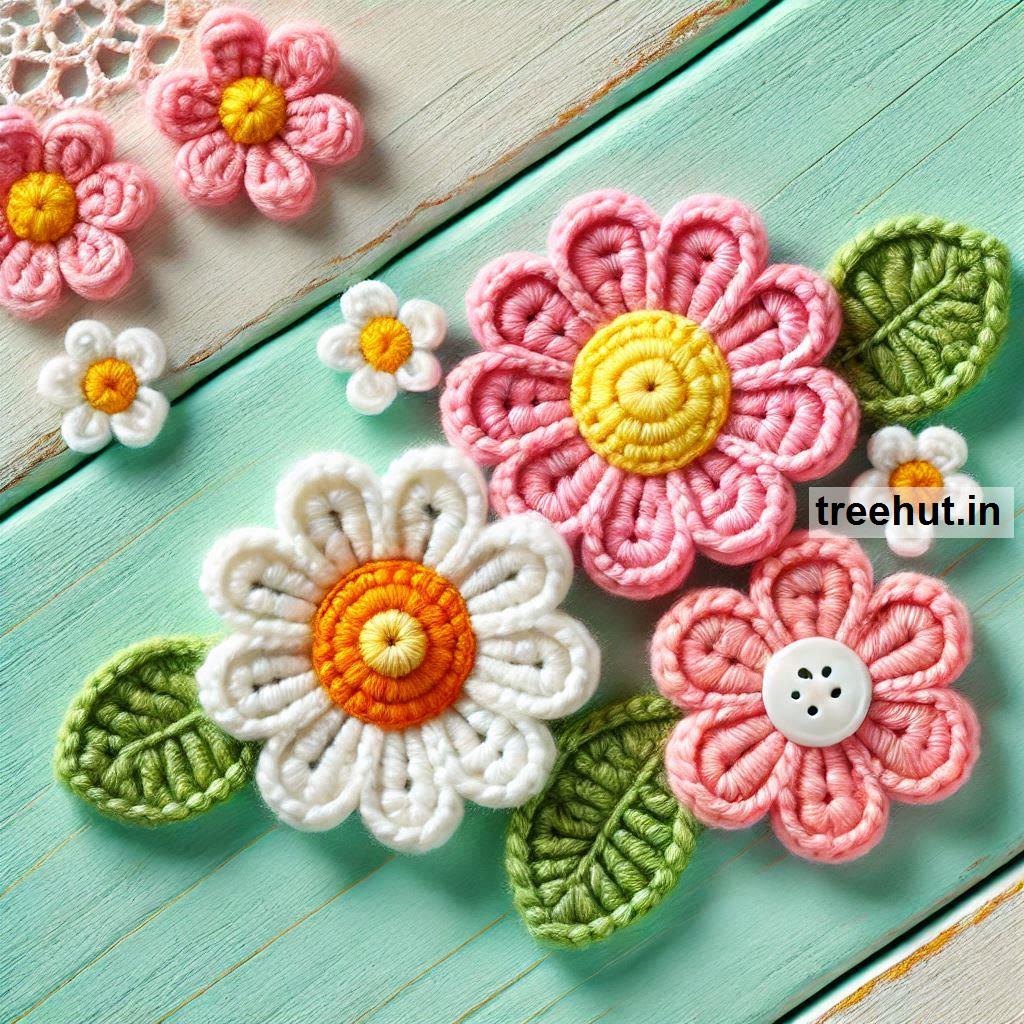
- Double Crochet 3 (dc 3) into the center of the circle. Work three double crochet stitches into the ring you just created.
- Chain 2 (ch 2). This chain will form the top of your petal.
- Slip Stitch (sl st) into the center of the circle. This completes your first petal.
- Repeat Steps 3-6 four more times. This will create a total of five simple petals around the center circle.
- Tie off your yarn and weave in the ends. Once you've completed all five petals, cut your yarn, pull the end through the last loop to secure it, and use your yarn needle to weave the loose ends into the back of your flower.
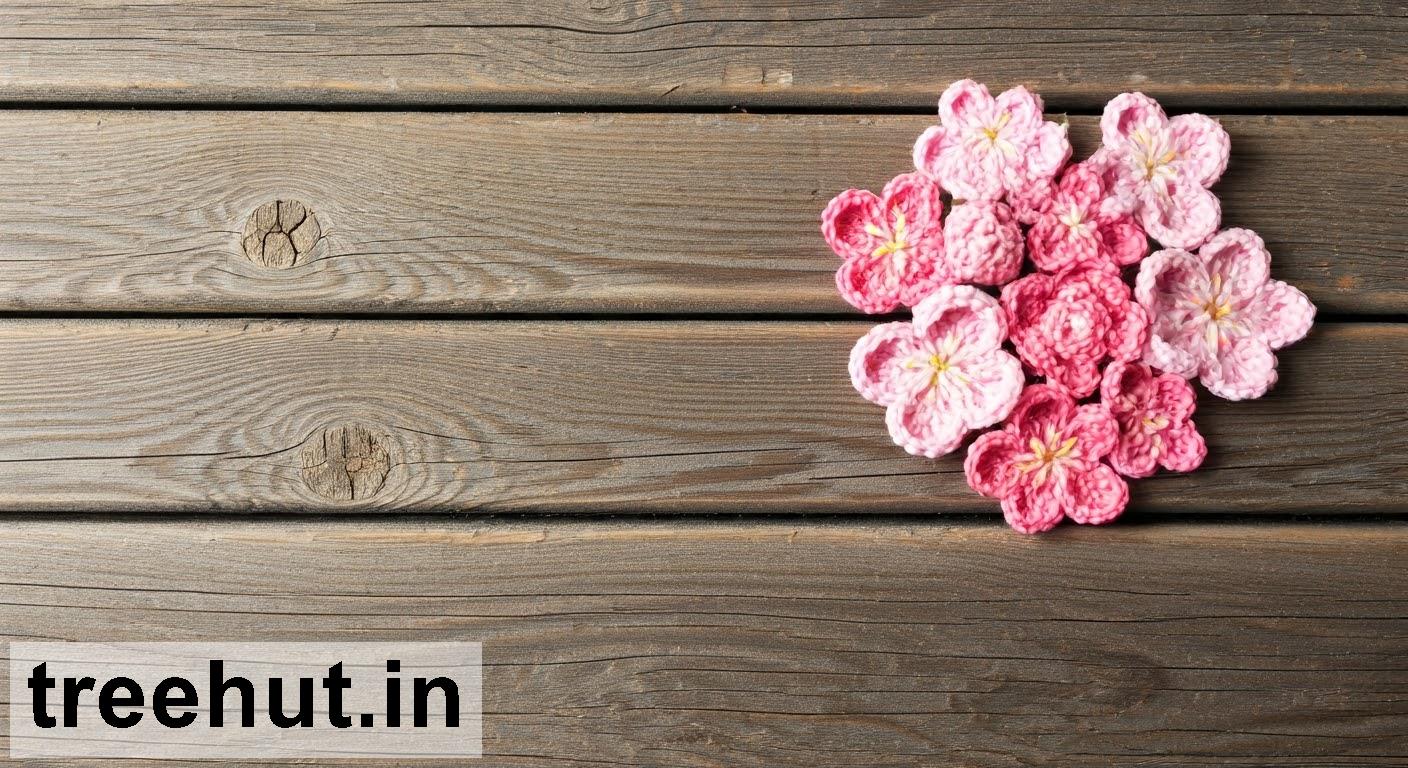
This pattern demonstrates that even with very basic crochet knowledge, beginners can achieve satisfying results by following simple instructions. Creating a batch of these colorful flowers and stringing them together to make a little flower bunting is even suggested as a fun project idea.
Exploring Flat Flower Variations
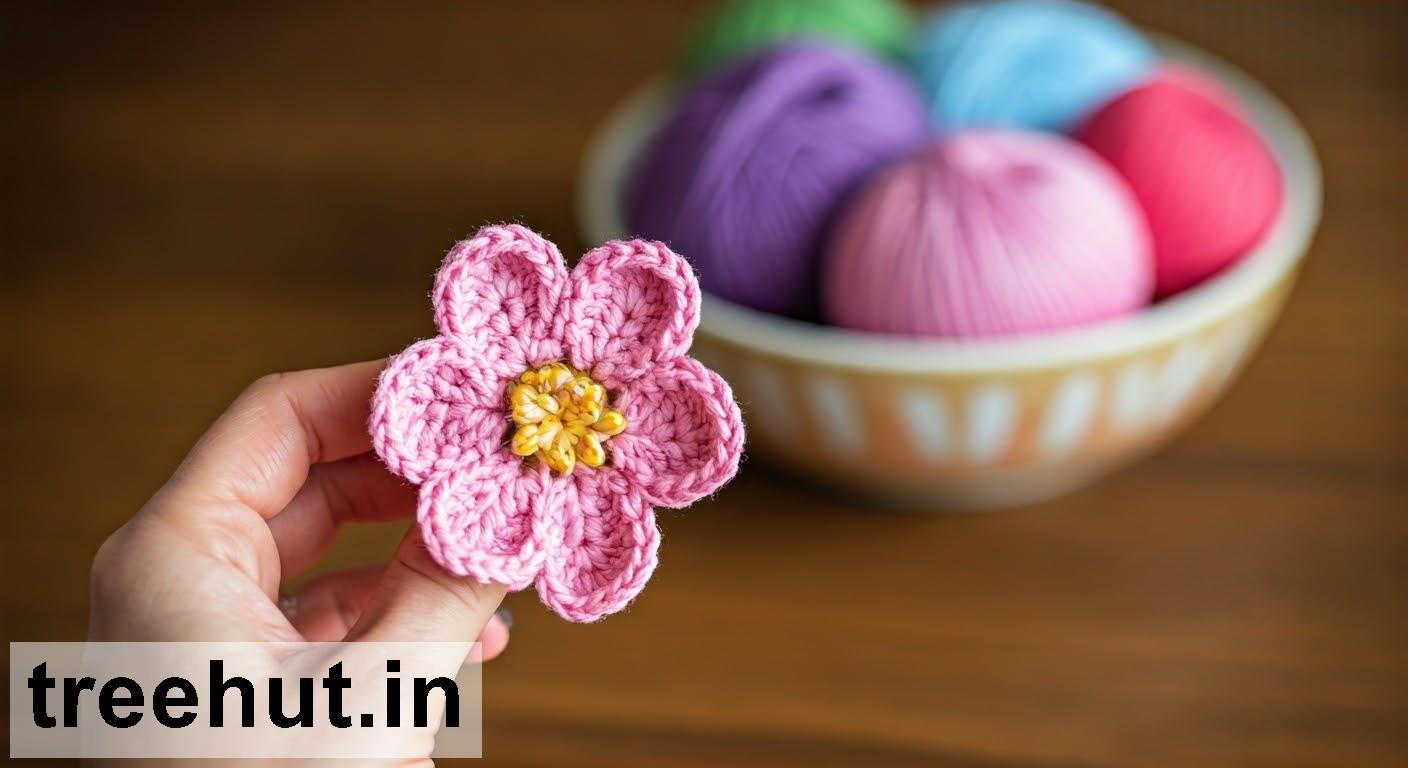
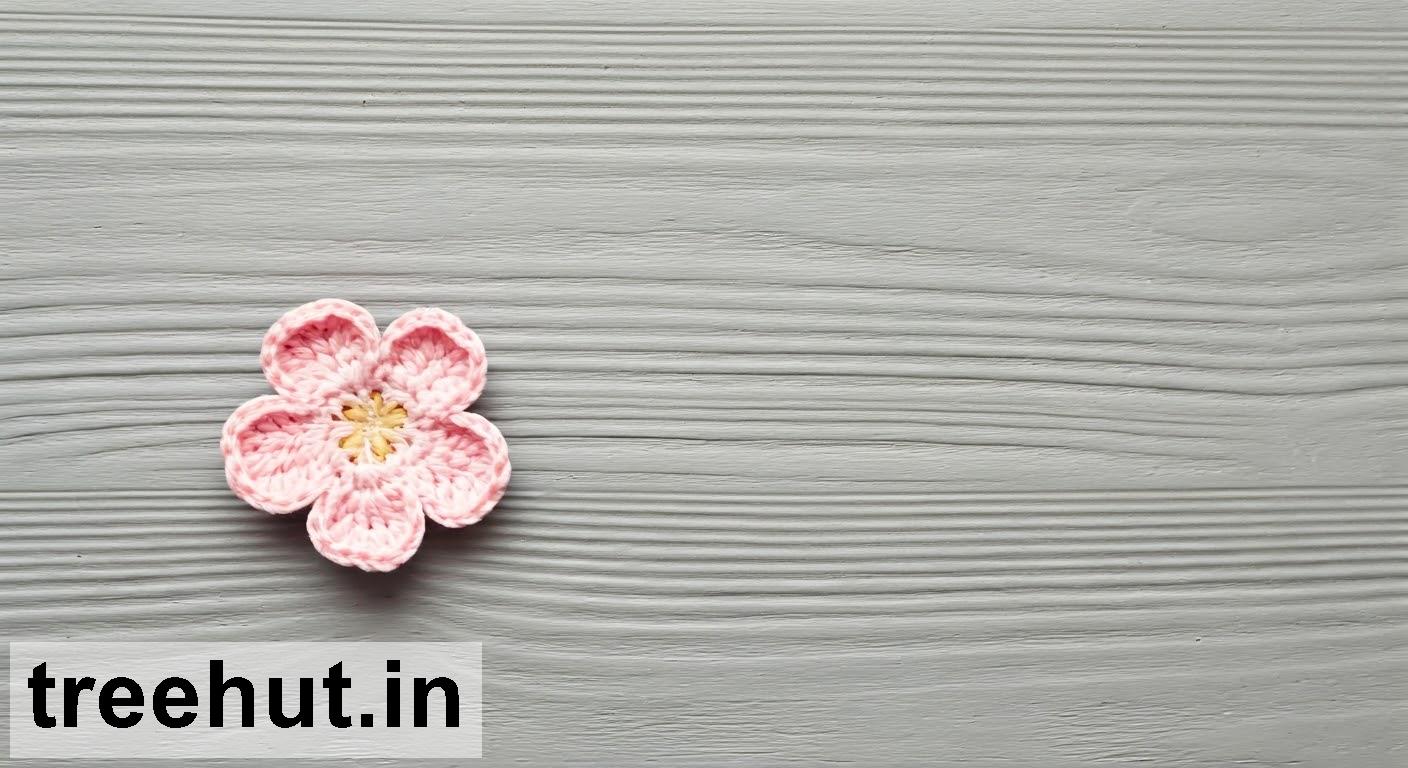
Flat flowers are often worked in rounds and are a fantastic starting point for learning to crochet flowers.
You can easily create variations of flat flowers by experimenting with the number of petals, using different colors for the center and petals, and by using different combinations of basic crochet stitches like single crochet, half-double crochet, and double crochet. For instance, you could create a simple flat flower by working a round of single crochet into a magic ring, and then for the next round, work a series of chain spaces and slip stitches into the previous round to form the petals. Another variation could involve using double crochet stitches to create taller, more prominent petals. The fact that flat flowers are generally worked in two dimensions simplifies the construction process for beginners. By varying the number of petals and the types of stitches used, a beginner can explore different aesthetic outcomes without needing to master complex shaping techniques.
Creating Simple Layered Flowers
To add more dimension and visual interest to your crochet flowers, you can try creating layered flowers.
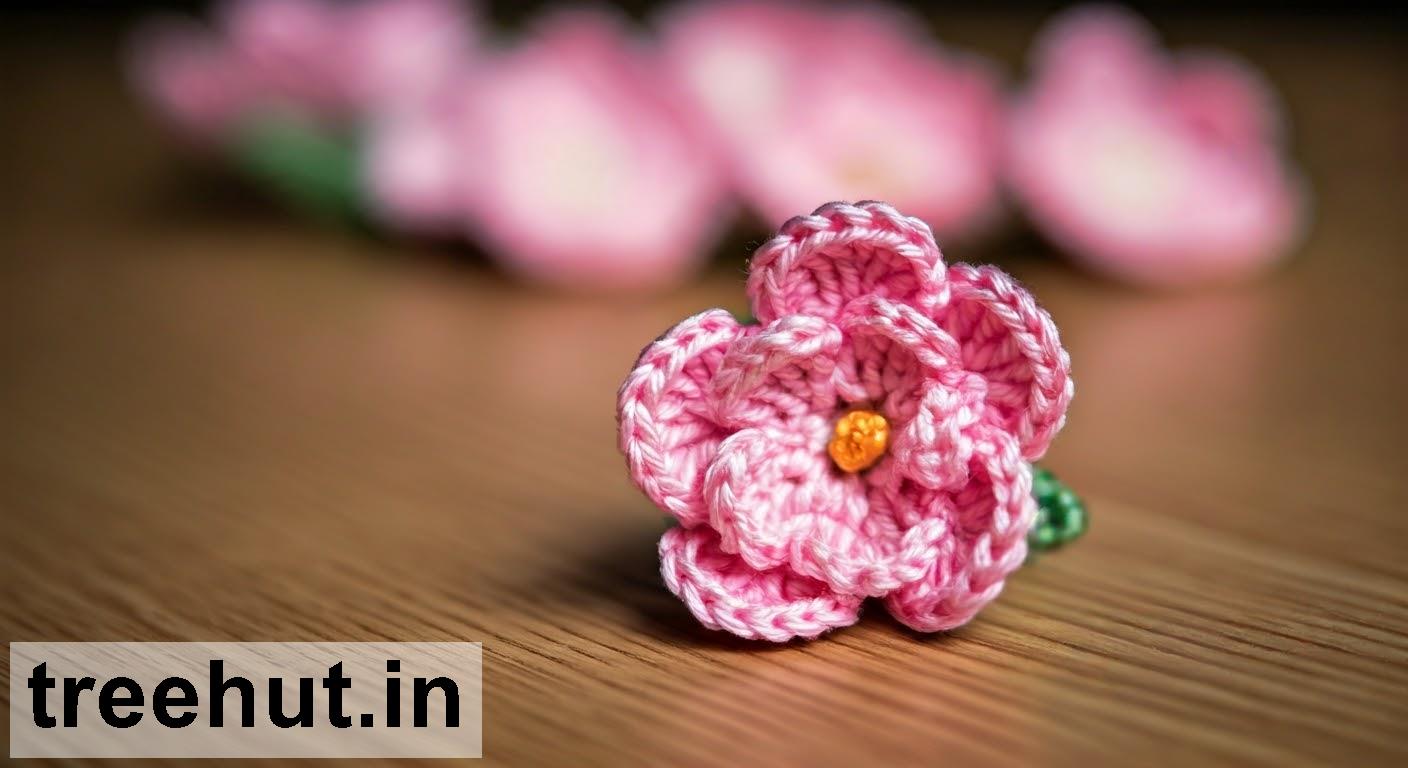
For example, you could crochet one flat flower using a larger hook or more rounds to make it bigger, and then crochet another similar flower using a smaller hook or fewer rounds. Placing the smaller flower on top of the larger one and then sewing them together in the center will create a lovely layered effect. You could also experiment with using different yarn weights or contrasting colors for the different layers to make your flower really stand out. Layering is a straightforward technique that allows beginners to achieve a more complex look without having to learn advanced stitches or intricate shaping. By creating individual flat pieces and then assembling them, a three-dimensional effect can be achieved in stages, making the process less intimidating than tackling a fully 3D flower all at once.
Rosette Flowers
Rosette flowers offer a different approach to creating a floral shape.
The basic technique involves chaining a desired length and then working a series of stitches along the chain. Double crochet or half-double crochet stitches are often used for this. Once the strip is complete, you start at one end and roll it up tightly, shaping it as you go. The base of the rolled-up strip is then secured by sewing it together with yarn or a needle and thread to prevent it from unraveling. Rosette flowers can create a beautiful, more intricate-looking bloom with a relatively simple construction method. The repetitive motion of crocheting a long strip can be quite relaxing, and the transformation of this strip into a rosette through rolling provides a satisfying sense of creation.
Easy Crochet Projects for Beginners (No Flowers Required!)
Once you've enjoyed making a few crochet flowers, you might be ready to explore other simple crochet projects. Here are a few ideas that are also perfect for beginners.
Cozy Comforts: Simple Crochet Blankets and Scarves
Blankets and scarves made using basic stitches like single crochet or double crochet are excellent projects for beginners.
Home Essentials: Easy Crochet Dishcloths and Coasters
Dishcloths and coasters are quick, practical projects that are perfect for learning new stitches and practicing working in rows or rounds.
Stylish Accessories: Beginner-Friendly Crochet Headbands and Keychains
Headbands and keychains are small, portable projects that can be made with minimal yarn and time, making them ideal for beginners.
Reading Crochet Patterns: Understanding Abbreviations and Instructions
Crochet patterns often use abbreviations for common stitches to save space and make them easier to read. It's helpful to familiarize yourself with these abbreviations. Some of the most common ones you'll encounter include ch for chain, sc for single crochet, dc for double crochet, sl st for slip stitch, hdc for half-double crochet, and tr for treble crochet.
Practicing and Troubleshooting Common Beginner Issues
Like any new skill, crochet takes practice. Don't be discouraged if your first few attempts don't look exactly like the pictures. The more you practice the basic stitches, the more comfortable and confident you will become with the movements. Some common issues that beginners face include problems with tension (making stitches too tight or too loose), creating uneven stitches, and sometimes having difficulty counting stitches. For tension issues, try to relax your grip on the hook and yarn. For uneven stitches, focus on making each stitch the same height. Making dishcloths is a great way to practice creating even rows without missing stitches.
Table of Common Crochet Abbreviations: