Sweets Bulletin Board Ideas, Door Posters and Classroom Activities
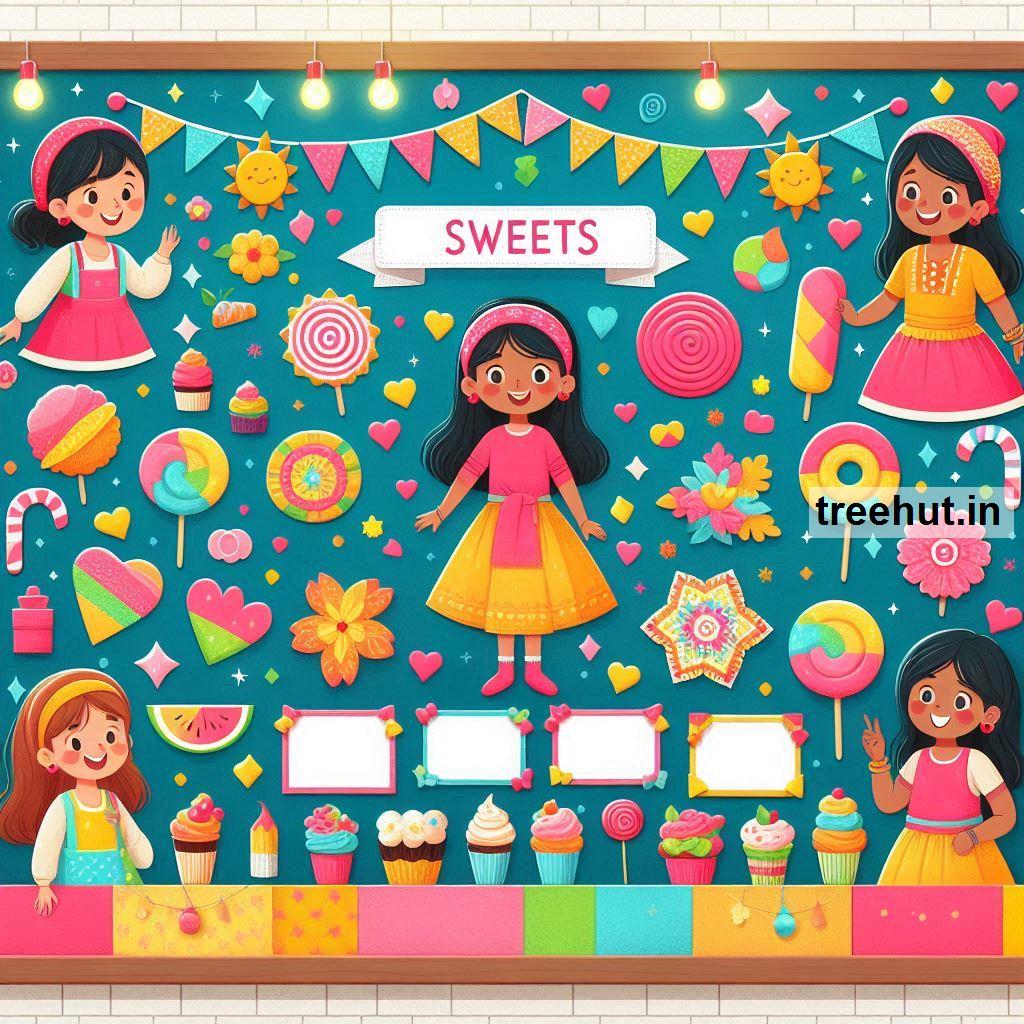
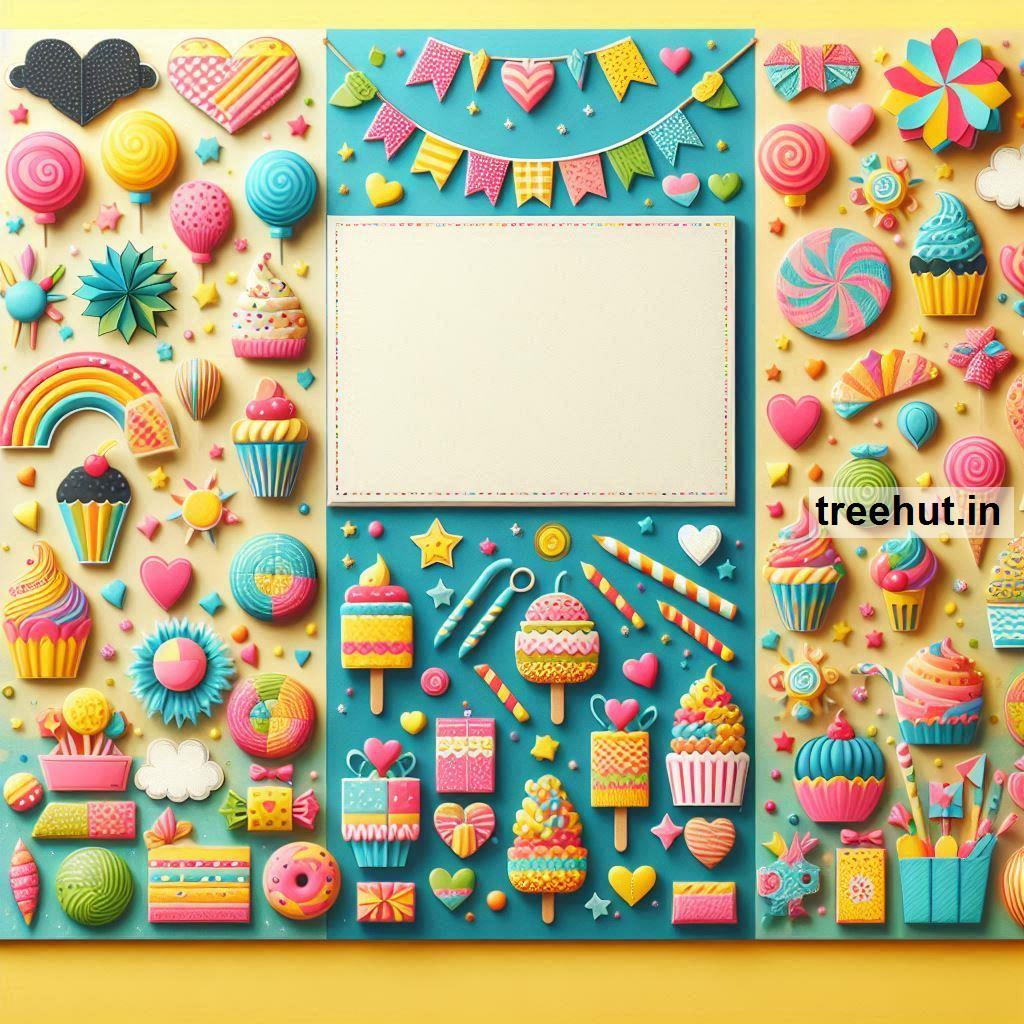
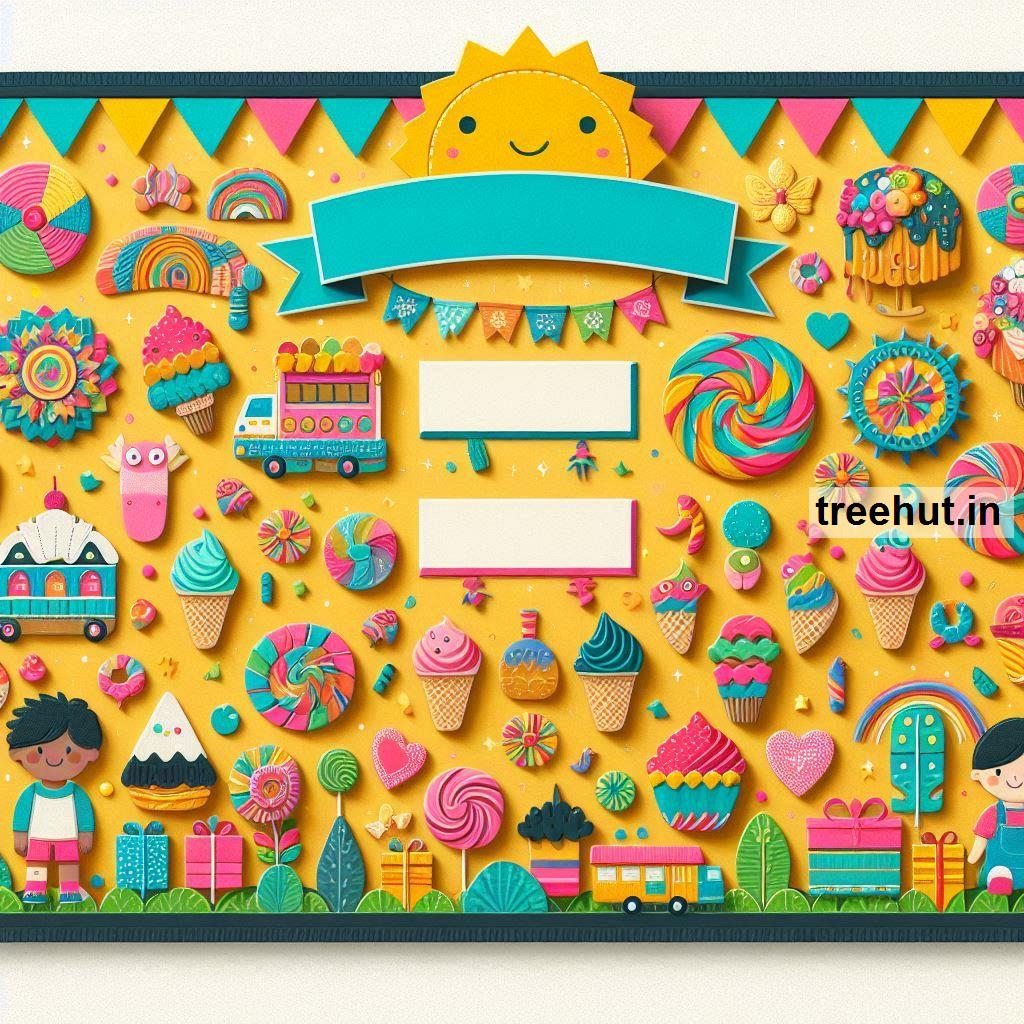
Sweets Bulletin Board Ideas:
-
"Sweeten Your Day: A World of Candy!"
- Create a vibrant bulletin board with pictures of candies from around the world, including chocolates, gummies, lollipops, and licorice.
- Activity: Have students bring in their favorite candy wrappers and add them to the board. They can also share interesting facts about their favorite sweet treat.
-
"Candyland Adventure!"
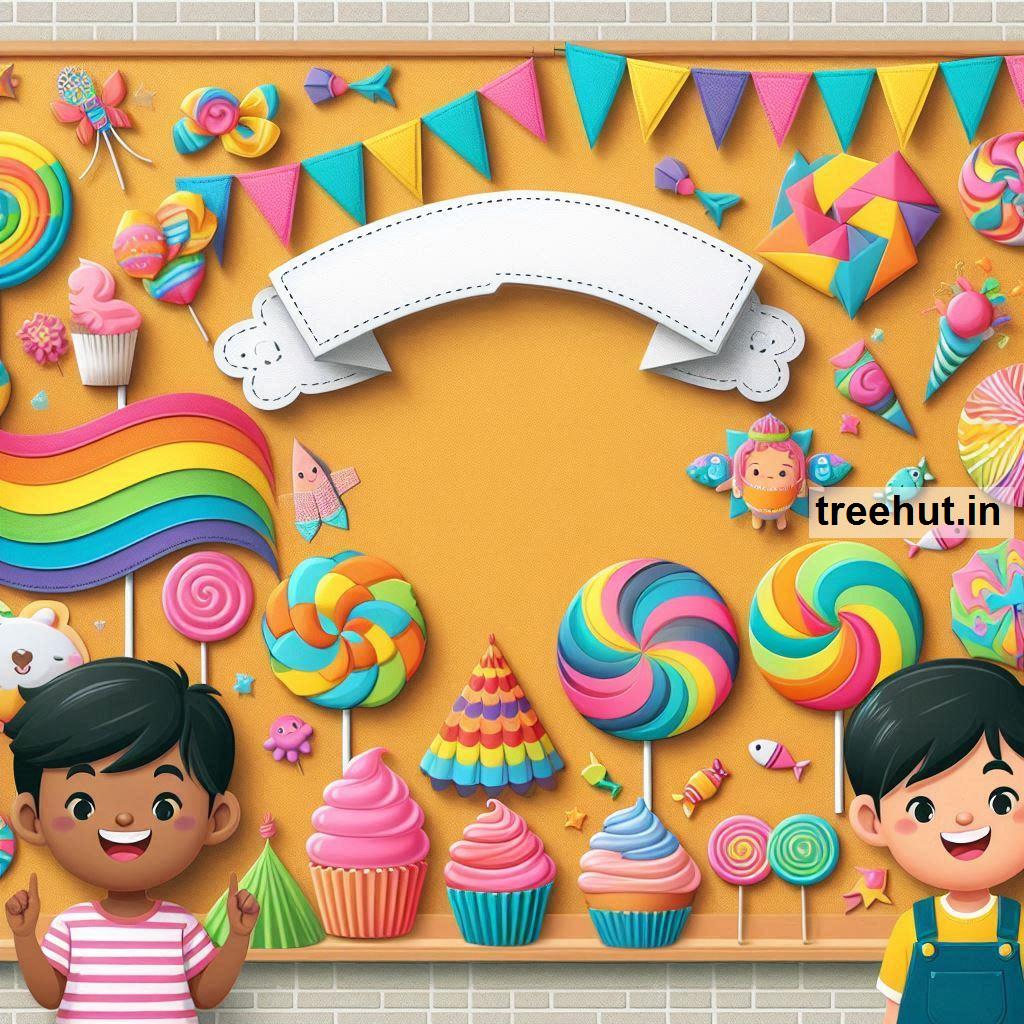
- Use the theme of Candyland, with oversized candy icons like gumdrops, lollipops, and candy canes. Add a fun, colorful path leading to different "lands" such as Chocolate Mountain or Gumdrop Village.
- Activity: Have students make a "Candyland" game by creating their own sweet-themed spaces and challenges.
-
"Sugar, Spice, and Everything Nice!"
- Display various types of sweets, from chocolates and cookies to pies and cakes. Include fun descriptions of each treat and their origins.
- Activity: Have students research a sweet from a different country and write a short description of it for the bulletin board.
-
"Let's Bake: Sweet Treats in the Kitchen!"
- Feature an assortment of baked goods like cupcakes, cookies, pies, and cakes. Add cut-out images of rolling pins, mixing bowls, and spatulas to decorate the board.
- Activity: Students can contribute a recipe for their favorite homemade treat, and you can make a class cookbook.
-
"Sweet Tooth? We've Got You Covered!"
- Highlight a variety of sweets from all around the world—think of French macarons, Italian gelato, Indian mithai (sweets), and American brownies.
- Activity: Have students choose a country and research a traditional sweet from there. They can create posters to share with the class.
-
"Candy and Confectionery: A Sugar Rush!"
- Use a mix of brightly colored cutouts of different candies to cover the board. Include interesting facts about how candy is made and its history.
- Activity: Organize a trivia game about the origins of different candies and sweet treats.
-
"Sugar Rush: The Sweetest Party in Town!"
- Decorate the board with fun, colorful images of cupcakes, donuts, and cookies, making it look like a sweet party.
- Activity: Have a sweet-themed party in class where students can dress up as their favorite treat or bring in a small snack.
-
"Sweet Seasons: Desserts for Every Occasion!"
- Display different desserts that are associated with seasons or holidays, such as Christmas cookies, pumpkin pie for fall, or ice cream sundaes for summer.
- Activity: Create a "sweet season" calendar where students can add different desserts they enjoy during each season.
-
"Candy Colors: The Rainbow of Sweets!"
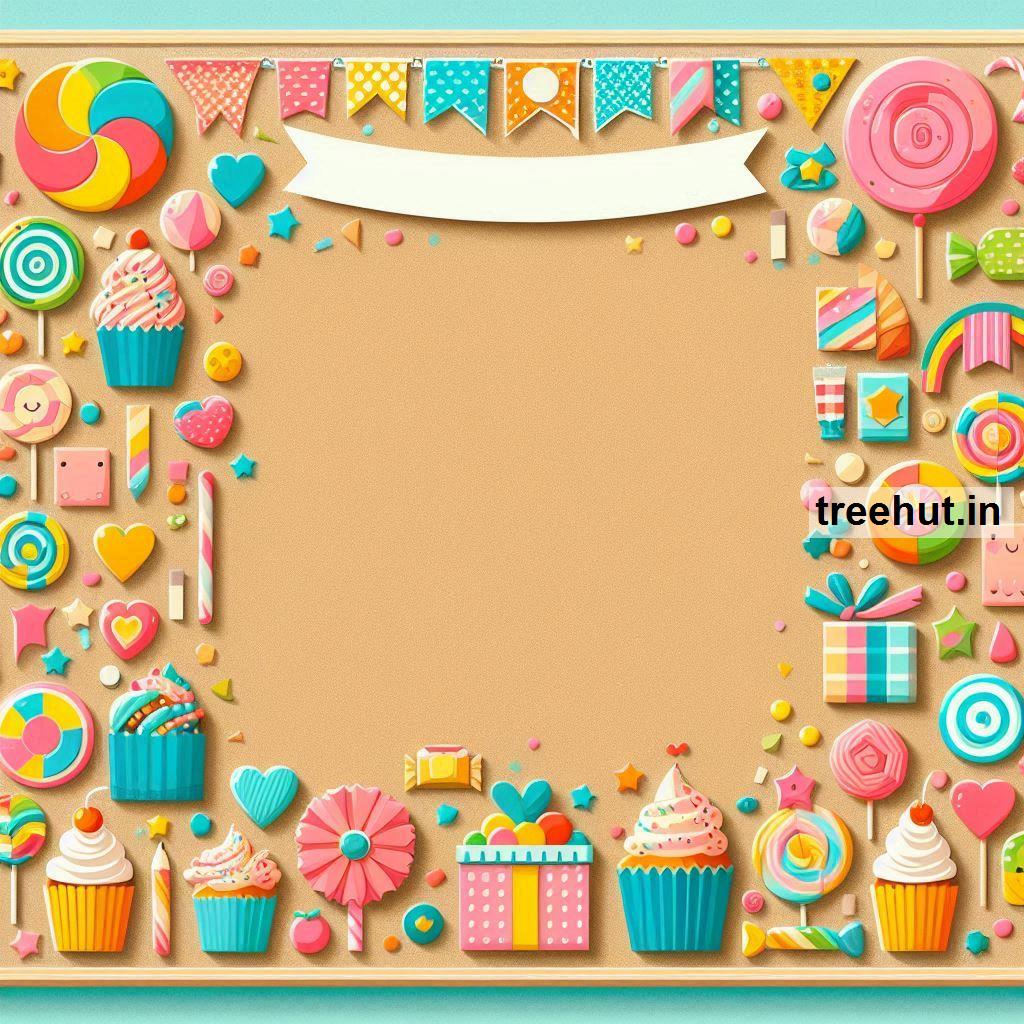
- Design the board using candy-colored borders and shapes, highlighting candies and sweets of every color—red, yellow, green, blue, and purple.
- Activity: Students can create their own candy rainbow artwork by drawing or coloring sweets in each color of the rainbow.
-
"Candy and Sweet Dreams: Dreaming of Treats!"
- Use a dreamy theme with clouds, stars, and candy floating in the air. The bulletin board can showcase different sweet treats that students love.
- Activity: Students can share their favorite sweet dreams and which candy they'd dream of if they could live in a world of sweets.
Sweets Classroom Activities:
-
"Candy Comparison!"
- Activity: Give students different types of candy (e.g., chocolate, gummies, lollipops) and ask them to describe each candy's taste, texture, and appearance. They can create a chart to compare and contrast the sweets.
- Objective: Students will practice descriptive writing and engage their senses in learning about candy.
-
"Baking with Sweets!"
- Activity: Organize a classroom baking activity where students make simple treats like no-bake cookies or cupcakes.
- Objective: Students will learn basic kitchen skills and teamwork while enjoying the sweetness of baking.
-
"Create Your Own Candy!"
- Activity: Have students design their own candy and come up with a name and a fun backstory for it. They can create a drawing or a paper prototype of their candy.
- Objective: Students will practice creativity and storytelling, and they can present their candy ideas to the class.
-
"Candy Mathematics!"
- Activity: Use candies to teach math concepts such as counting, addition, subtraction, and fractions. For example, students can work with jellybeans to solve addition problems or divide candies into equal parts.
- Objective: Students will practice basic math skills using hands-on, edible materials.
-
"Candy Wrappers Art!"
- Activity: Have students collect candy wrappers and use them to create collages or artwork on a candy theme.
- Objective: Students will practice using found materials to create art and discuss the environmental impact of packaging.
-
"Write a Sweet Poem!"
- Activity: Ask students to write a poem about their favorite sweet treat, using sensory details to describe the taste, smell, and texture of the candy.
- Objective: Students will practice creative writing and descriptive language while celebrating their love for sweets.
-
"Sweets Around the World!"
- Activity: Each student can research a sweet treat from a different country and present it to the class, discussing how it is made and when it is typically eaten.
- Objective: Students will learn about cultural diversity through sweets and improve their research and presentation skills.
-
"Design a Candy Commercial!"
- Activity: Have students work in groups to create a commercial for a candy. They can use posters, skits, or even make a video to showcase their candy.
- Objective: Students will practice teamwork, communication, and creativity while learning about marketing and advertising.
-
"Candy Sorting!"
- Activity: Provide a mix of different candies and have students sort them by color, shape, or type (e.g., chocolates, gummies, hard candies). Then, students can count how many of each type they have.
- Objective: Students will practice categorizing, counting, and comparing items.
-
"Sweet Science!"
- Activity: Explore the science of candy by melting chocolate or creating sugar crystals. Discuss the chemistry involved in making candies and why sugar behaves the way it does.
- Objective: Students will learn basic principles of chemistry and science through hands-on experiments related to sweets.