

Whale Bulletin Board and Classroom Activity Ideas for Elementary School
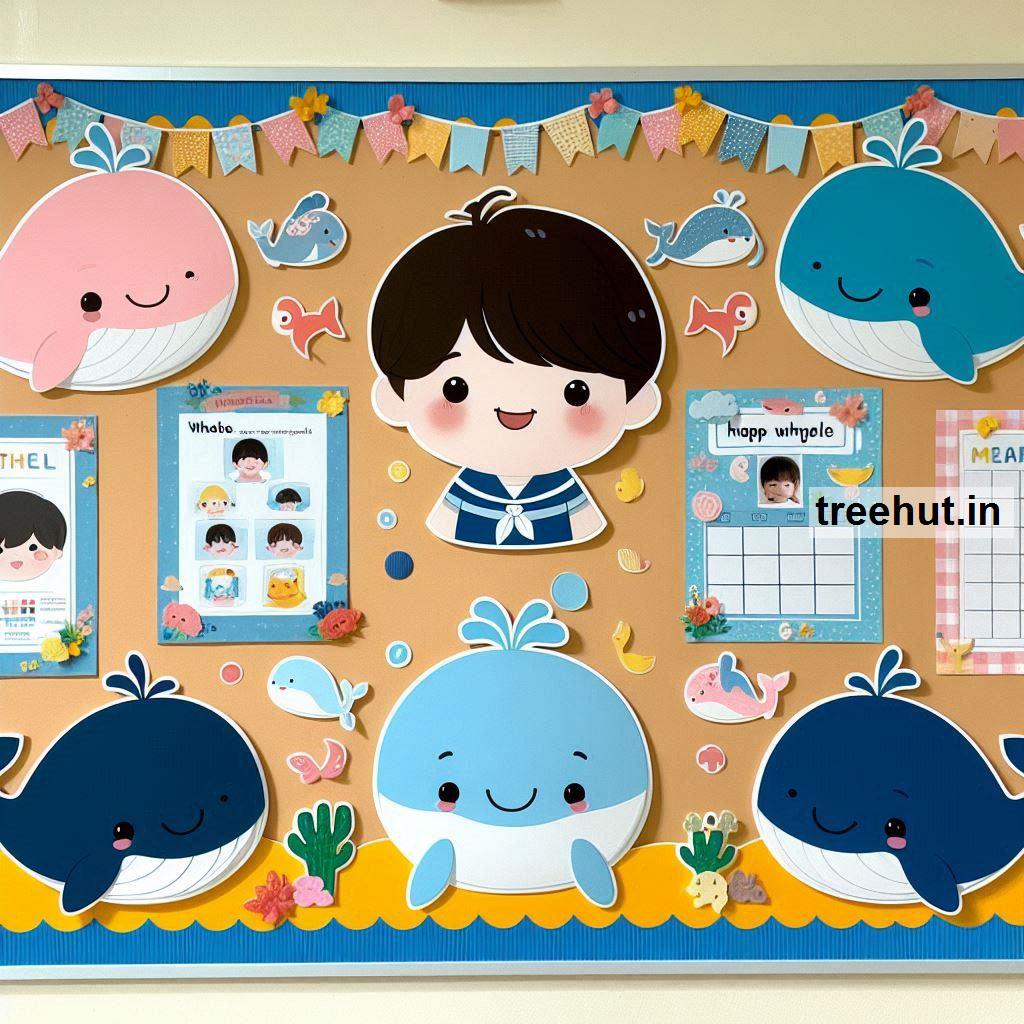
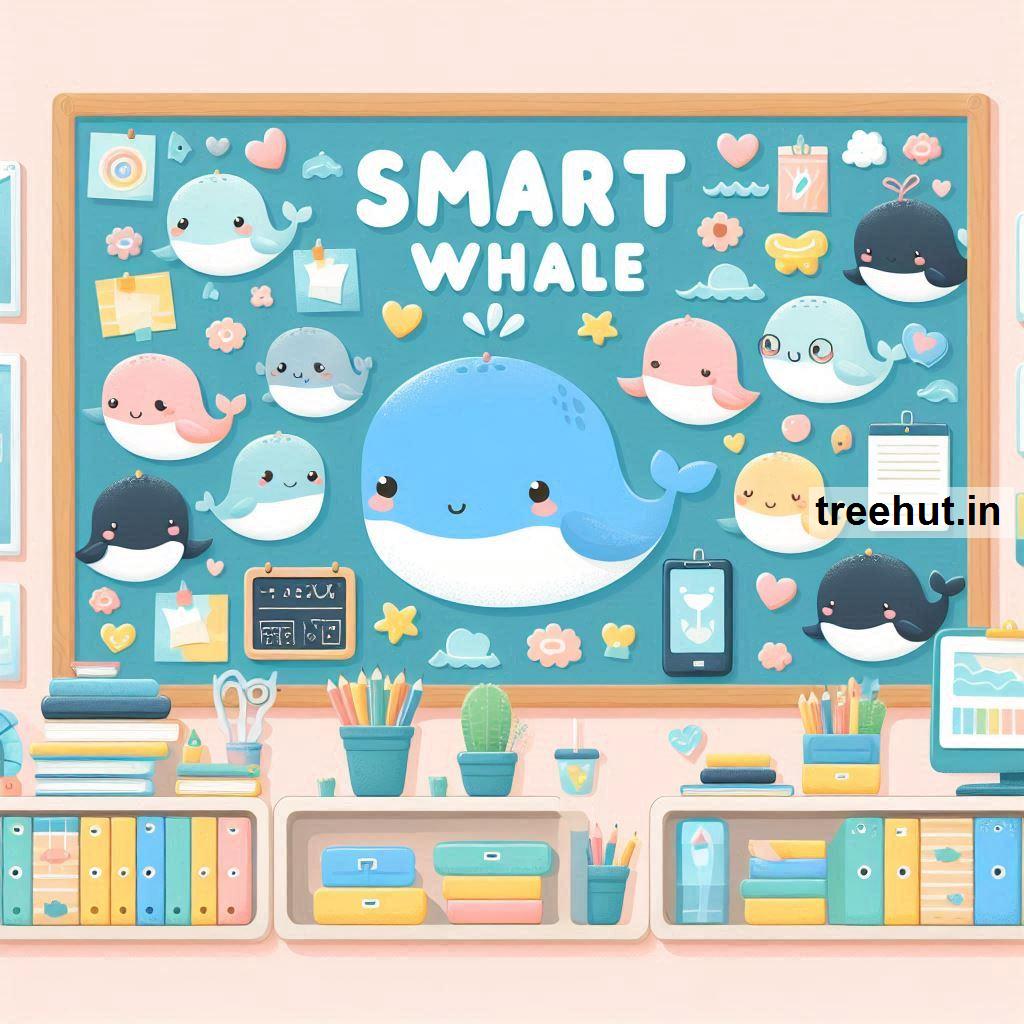
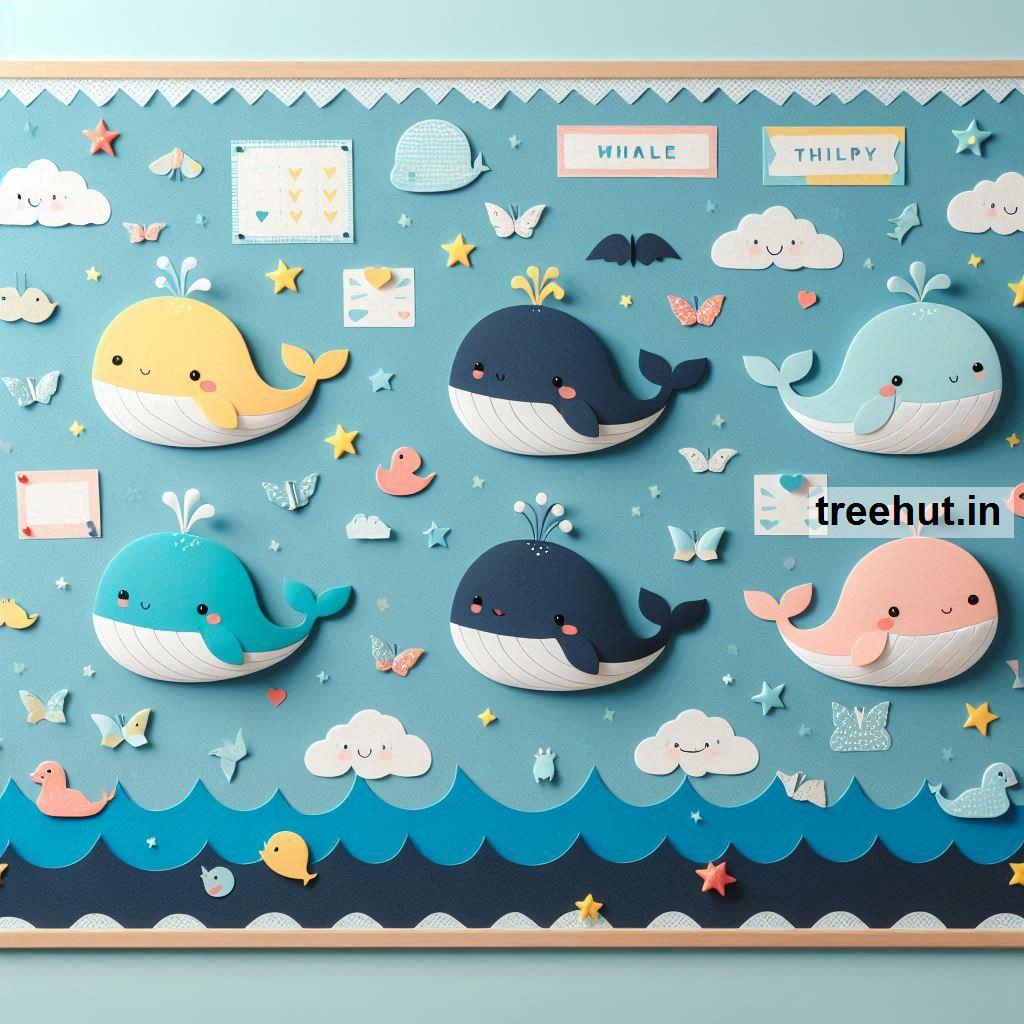
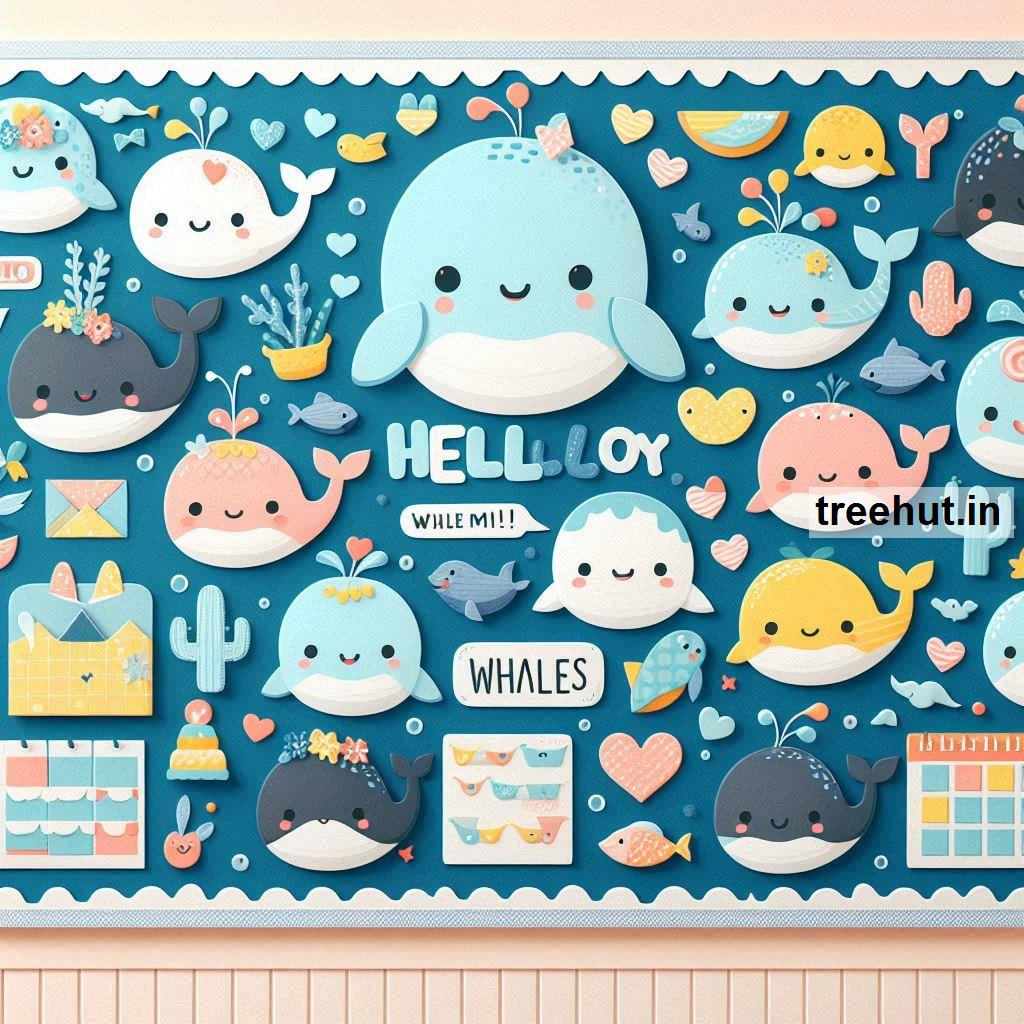
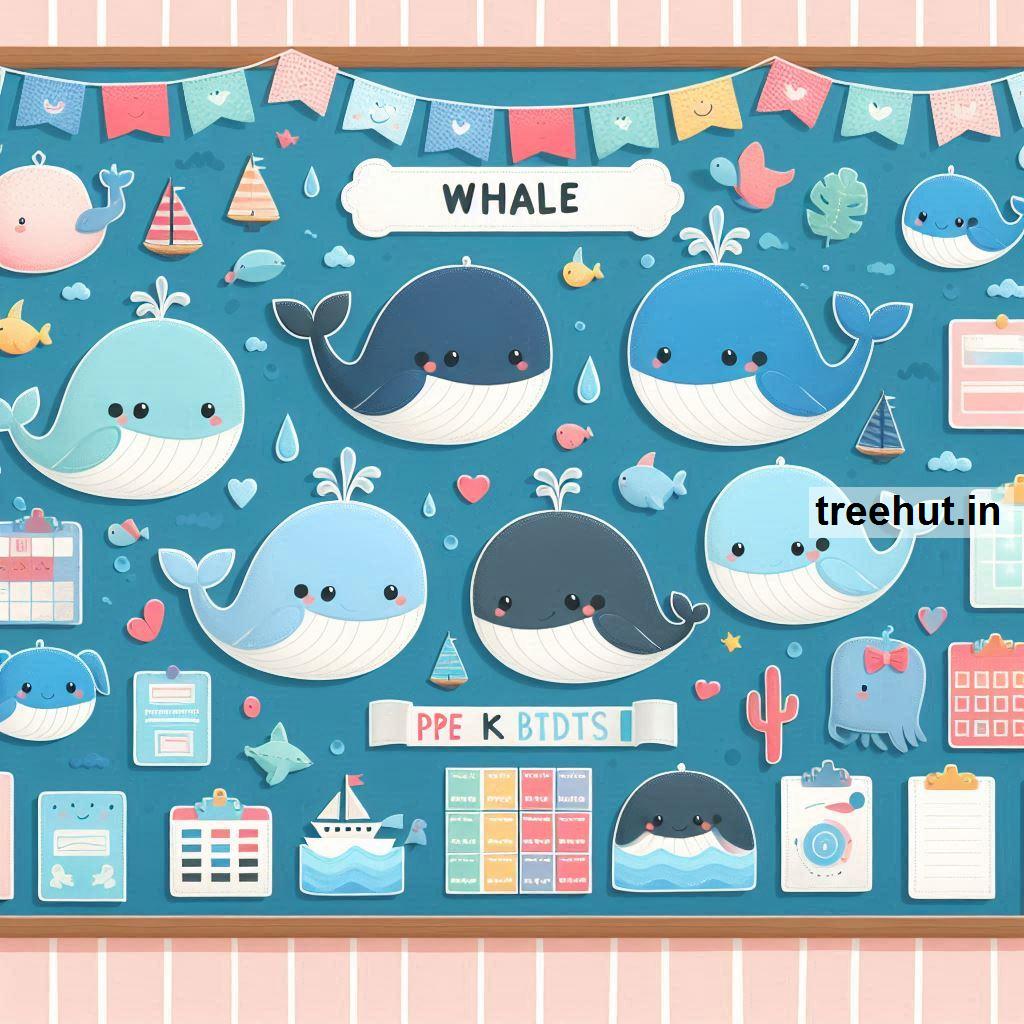
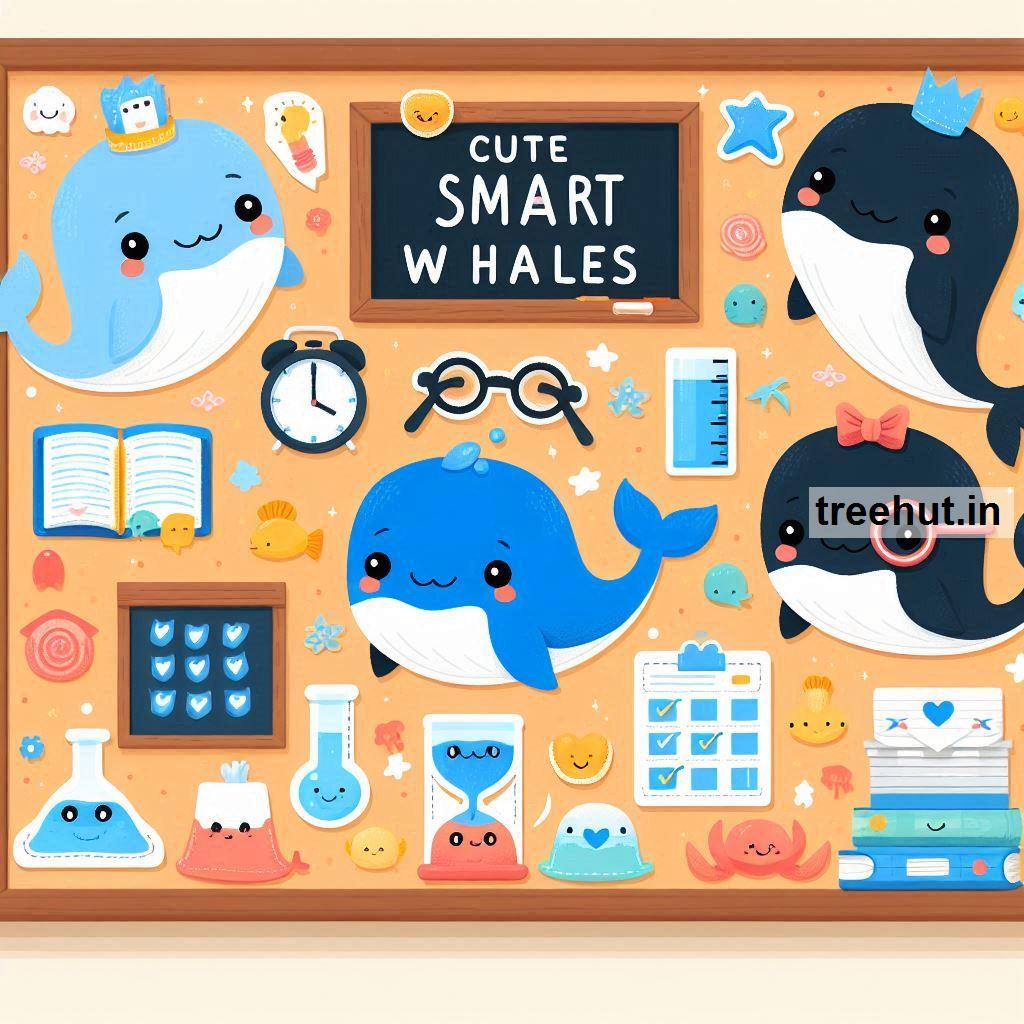
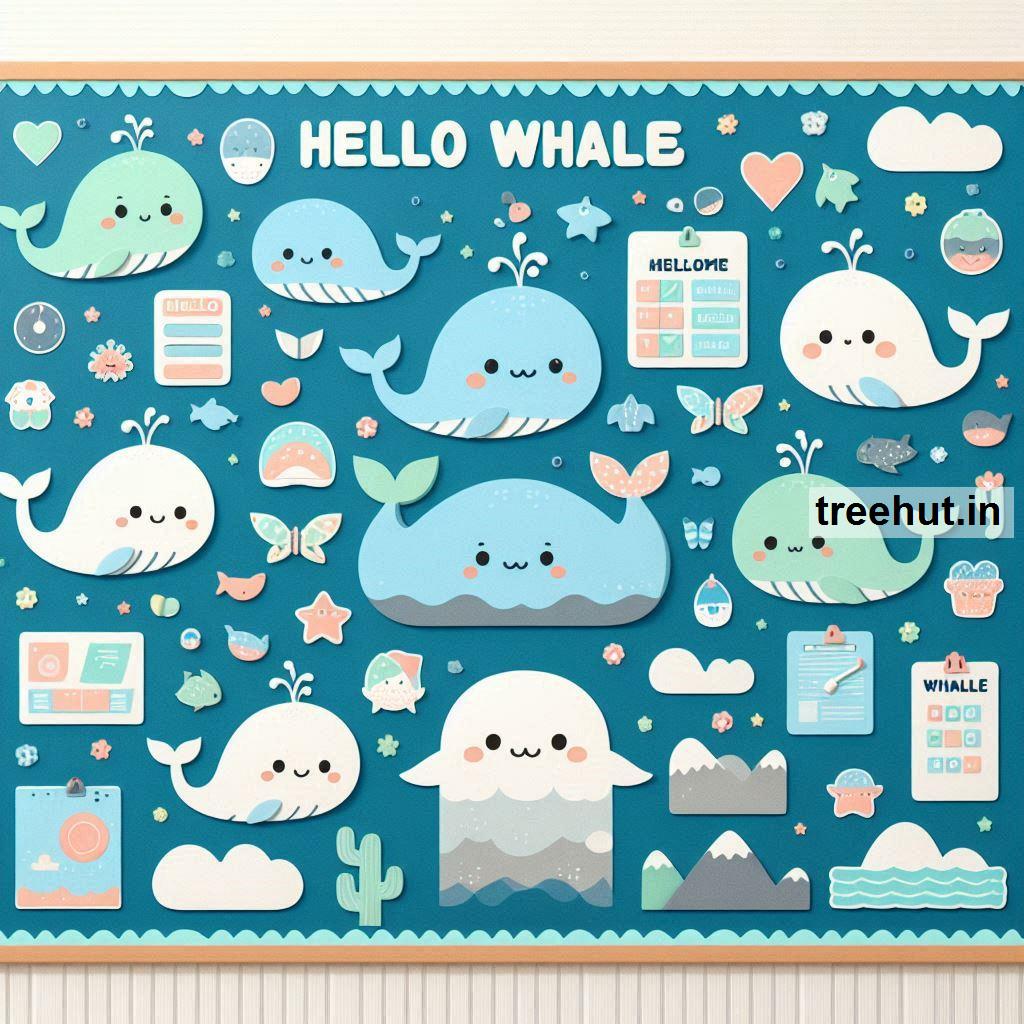
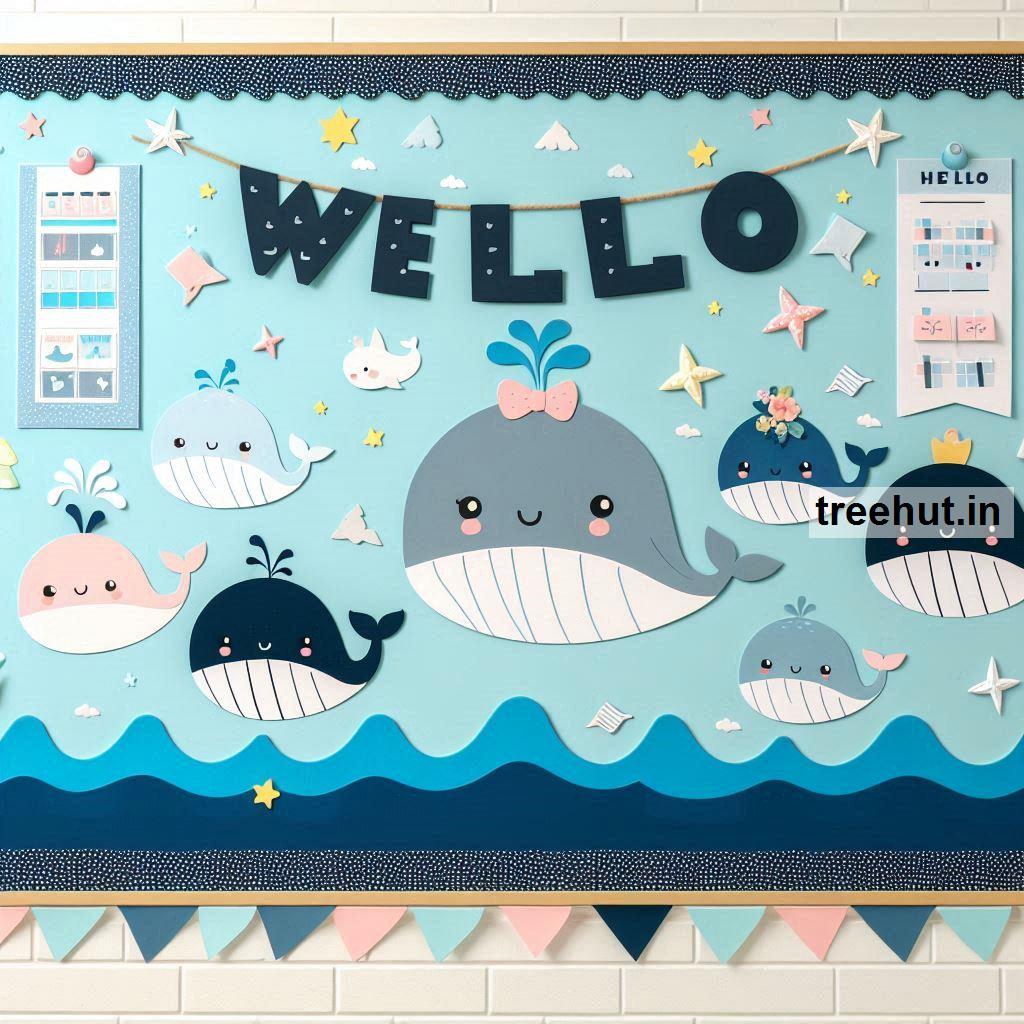
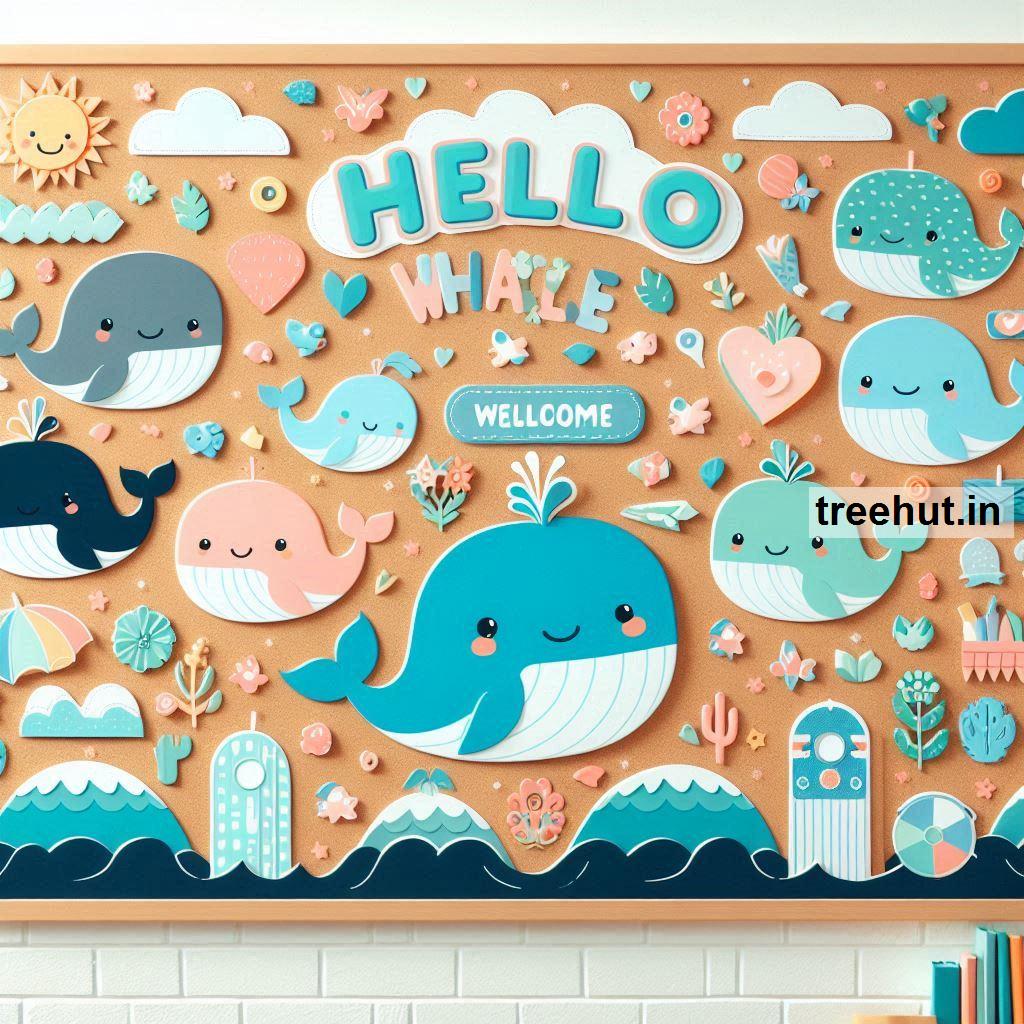
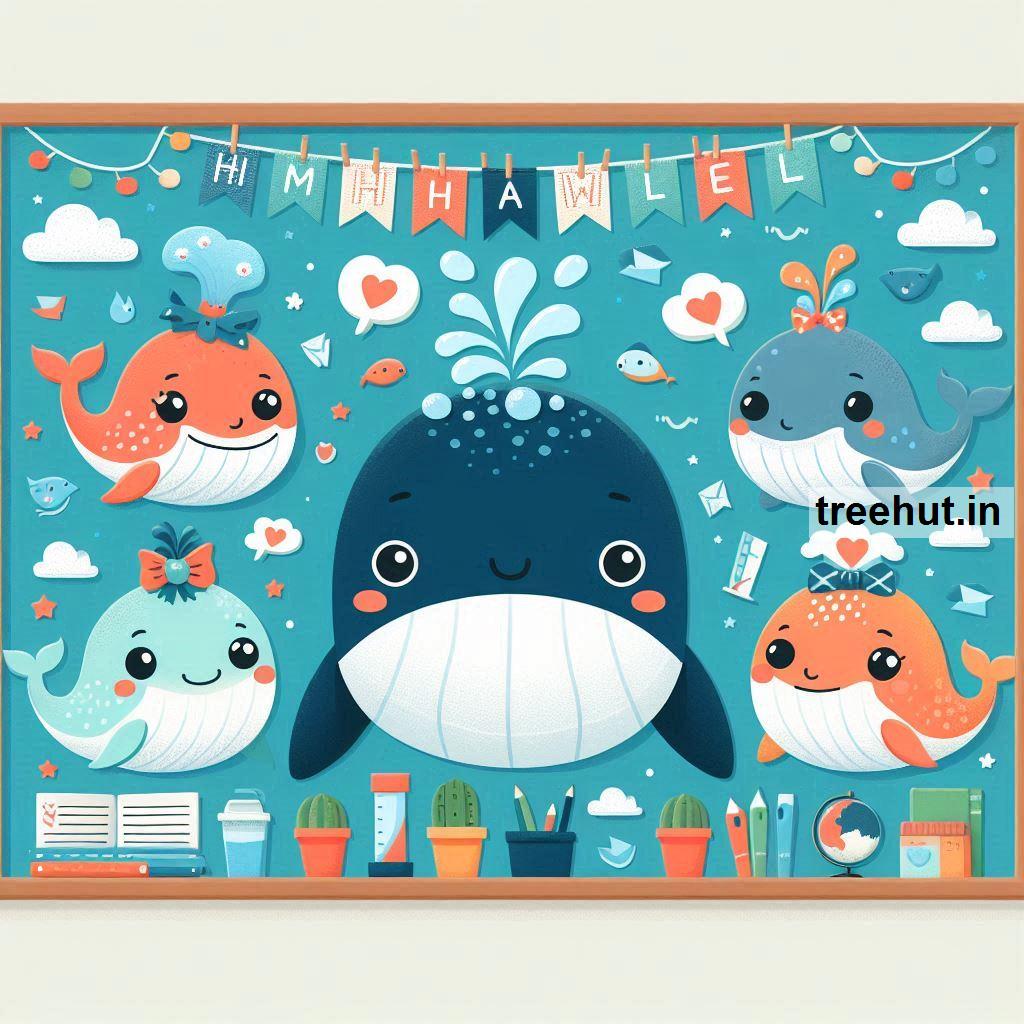
whale-themed bulletin board and classroom activity ideas for elementary school:
1. "Whale of a Time Learning!"
- Design: Create a large whale in the center of your bulletin board with colorful waves around it. Inside the whale, include spaces for students to post what they’ve learned about whales, the ocean, or a specific topic they’re studying.
- Activity: Students can research different species of whales, their habitats, or ocean conservation efforts, and share what they’ve learned with the class. Each student can add a fact about whales to the whale on the bulletin board.
- CCSS Connections:
- ELA: Writing informative texts (W.K.2, W.1.2)
- Science: Research and animal classification (NGSS 2-LS4-1)
2. "Whale of a Story!"
- Design: Display a large whale silhouette with a tail made of story elements (e.g., setting, characters, plot). The whale can have cut-out sections for students to add pieces of their own stories.
- Activity: Have students write short stories about a whale's adventure or what it might see as it swims through the ocean. They can add details to the bulletin board about their characters, setting, and plot.
- CCSS Connections:
- ELA: Narrative writing (W.K.3, W.1.3)
- Speaking and Listening: Sharing their stories with the class (SL.K.5)
3. "Whale Vocabulary Splash!"
- Design: Create a whale with water splashes coming from its blowhole. Each splash can contain vocabulary words that students will learn throughout the week, especially ocean-related terms or science vocabulary.
- Activity: Each day, add new vocabulary words that students will learn and use them in sentences. Students can come up with their own sentences using the new words and post them on the whale.
- CCSS Connections:
- ELA: Vocabulary acquisition (L.K.4, L.1.4)
- Reading: Word recognition (RF.K.3, RF.1.3)
4. "Whale Math Problems!"
- Design: Create a whale made of math problems (e.g., addition, subtraction, multiplication) as the body of the whale, with each problem inside a bubble.
- Activity: Write math problems on the whale’s body and have students solve them. You can use different math concepts for different grade levels, such as simple addition for younger grades and multiplication for older grades.
- CCSS Connections:
- Math: Addition and subtraction (CCSS.Math.Content.K.OA.A.1, CCSS.Math.Content.1.OA.A.1)
- Math: Multiplication (CCSS.Math.Content.3.OA.A.3)
5. "Whale of a Color!"
- Design: Create a whale using different colors and patterns that can represent different subjects or concepts (e.g., blue for math, green for science, red for reading).
- Activity: Ask students to add their favorite subject color to the whale and write why they like it or what they learned in that subject.
- CCSS Connections:
- ELA: Expressing preferences (W.K.3, W.1.3)
- Math: Color recognition and categorizing (CCSS.Math.Content.K.MD.B.3)
6. "Whale Facts"
- Design: Create a whale silhouette and label different parts of the whale (e.g., blowhole, fins, tail) with fun facts about whales and the ocean.
- Activity: Students can each add a new fact about whales or marine life to the whale's body, expanding the fact sheet.
- CCSS Connections:
- Science: Understanding animal structures and behaviors (NGSS 2-LS4-1)
- ELA: Informational writing (W.K.2, W.1.2)
7. "Whale Life Cycle"
- Design: Use the whale to illustrate the life cycle of a whale, from baby whale (calf) to adulthood.
- Activity: Have students create a timeline or poster showing the stages of a whale’s life, from birth to maturity. Students can add pictures and labels to their own version of the life cycle.
- CCSS Connections:
- Science: Life cycles (NGSS K-ESS3-1)
- ELA: Writing descriptions (W.K.2, W.1.2)
8. "Fact or Fiction?"
- Design: Create a whale-themed bulletin board with two sections: “Fact” and “Fiction.” Place a whale in the middle with a thought bubble saying, “Which is true?”
- Activity: Have students research facts about whales and also include some common misconceptions. Place true facts under the “Fact” section and myths under the “Fiction” section.
- CCSS Connections:
- ELA: Research and analysis (W.K.7, W.1.7)
- Science: Fact vs. fiction (NGSS 2-ESS2-1)
9. "Whale-Sized Fun Facts!"
- Design: Create a bulletin board with the title "Whale-Sized Fun Facts" and a large whale. The whale can be divided into sections, each with a different fact or piece of information about whales, the ocean, or marine life.
- Activity: Have students research and add fun facts about whales, such as how long they live, how much they eat, or how fast they can swim.
- CCSS Connections:
- ELA: Writing informative texts (W.K.2, W.1.2)
- Science: Marine life (NGSS 1-ESS1-2)
10. "Whale Art Gallery"
- Design: Create a large whale silhouette on the bulletin board with spaces for students to add their own whale-inspired art or ocean-related drawings.
- Activity: Allow students to create their own whale-themed artwork using different mediums like paint, colored pencils, or collages. Display their work in the whale shape on the bulletin board.
- CCSS Connections:
- Art: Creativity and expression (VA.K-12.1)
- ELA: Speaking and sharing about their art (SL.K.6)
Additional Whale-Themed Classroom Activities:
- Whale Song: Teach students a simple song about whales and their ocean habitat. Use this activity to discuss rhythm, rhyme, and the sounds whales make.
- Whale Counting: Use whale-shaped cutouts to practice counting and simple addition/subtraction problems with younger students.
- Whale Research Project: Assign different species of whales for students to research, and have them create a short presentation or report to share with the class.
- Whale Playdough Craft: Use playdough to create whale figures and have students label different parts of the whale (e.g., fin, tail, blowhole).
These whale-themed activities will not only engage students in creative learning but also provide opportunities for hands-on exploration of marine biology, math, literacy, and art. Enjoy diving into the world of whales!