

Squirrel Bulletin Board Ideas and Classroom Activities
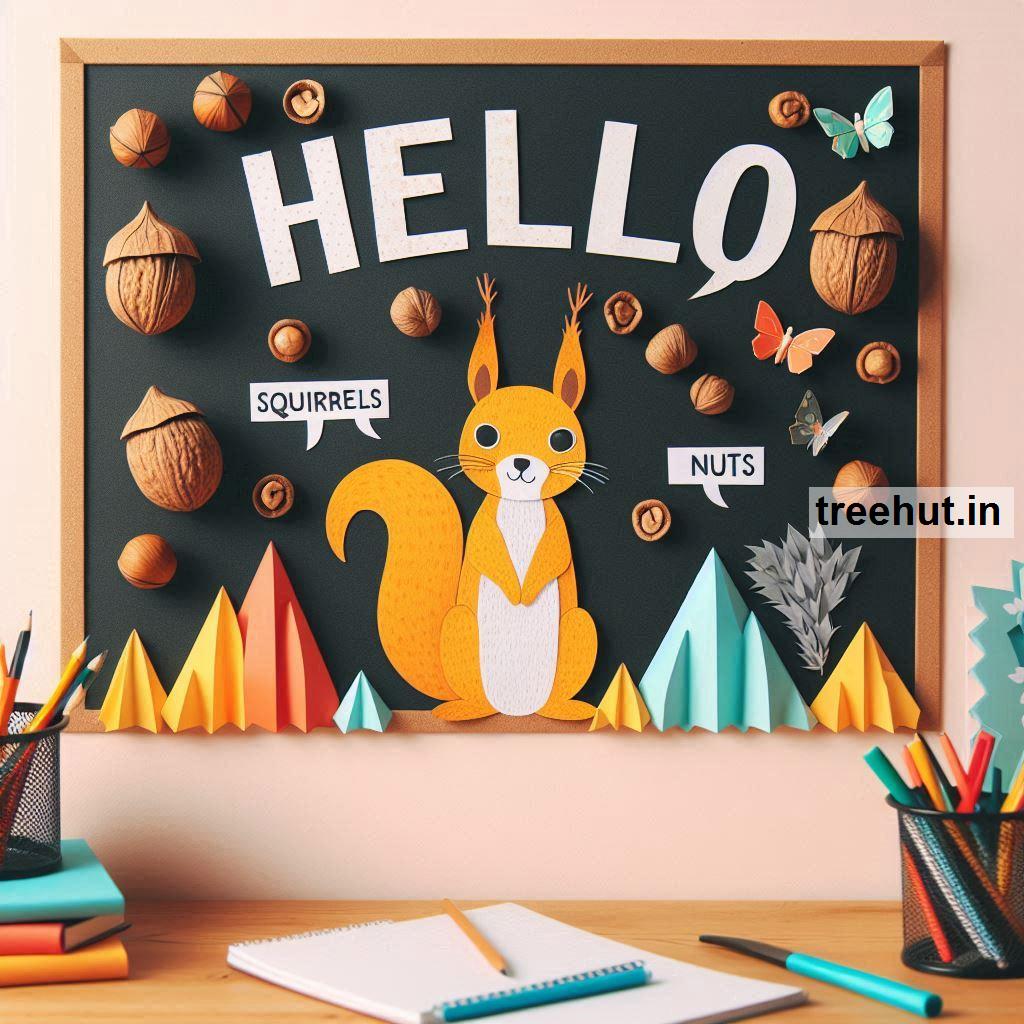
Squirrel Bulletin Board Ideas and Classroom Activities
Squirrels are lively, playful creatures that can bring a fun and educational element to any classroom. Whether it's the fall season or just a love for wildlife, a squirrel-themed bulletin board and activities can engage students and teach them about nature, habitats, and the animal kingdom.
Squirrel Bulletin Board Ideas
1. "Squirrel Facts"
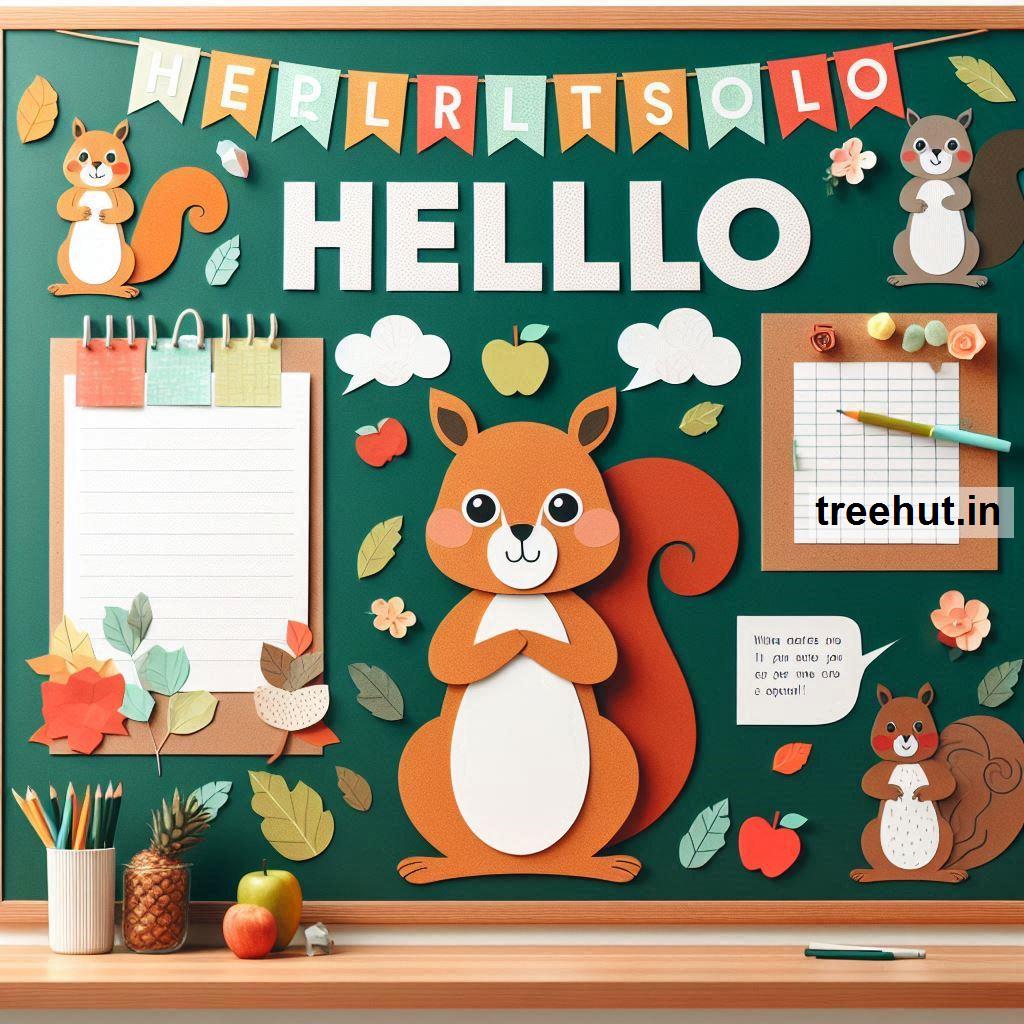
- Design: Create a board with a large, colorful squirrel in the center surrounded by fun facts. Include information about different squirrel species, their habitats, and what they eat.
- Details: Display cute images or illustrations of squirrels with speech bubbles or tags that highlight interesting facts such as "Squirrels can jump 10 feet!" or "Squirrels have a great memory."
- Heading: "Squirrel Facts: Cute and Clever!"
2. "Squirrels and Acorns"
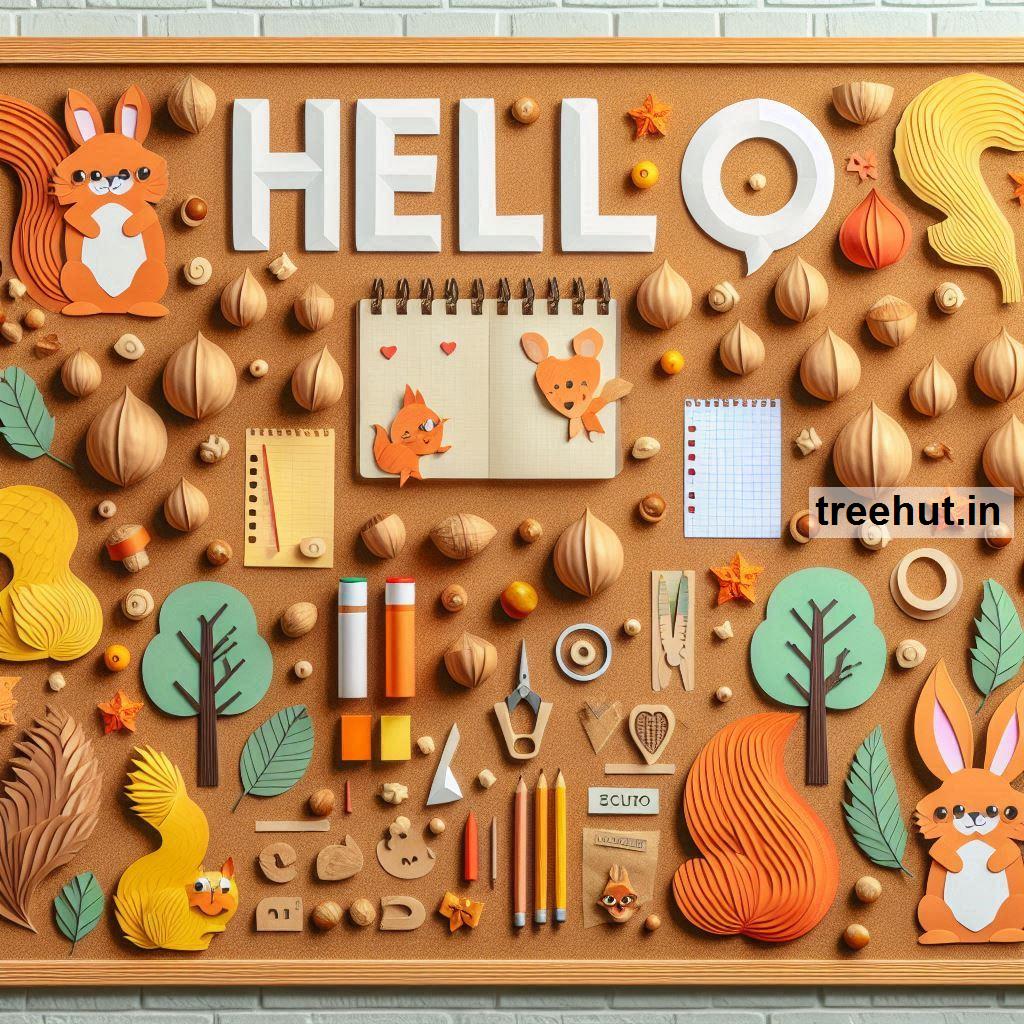
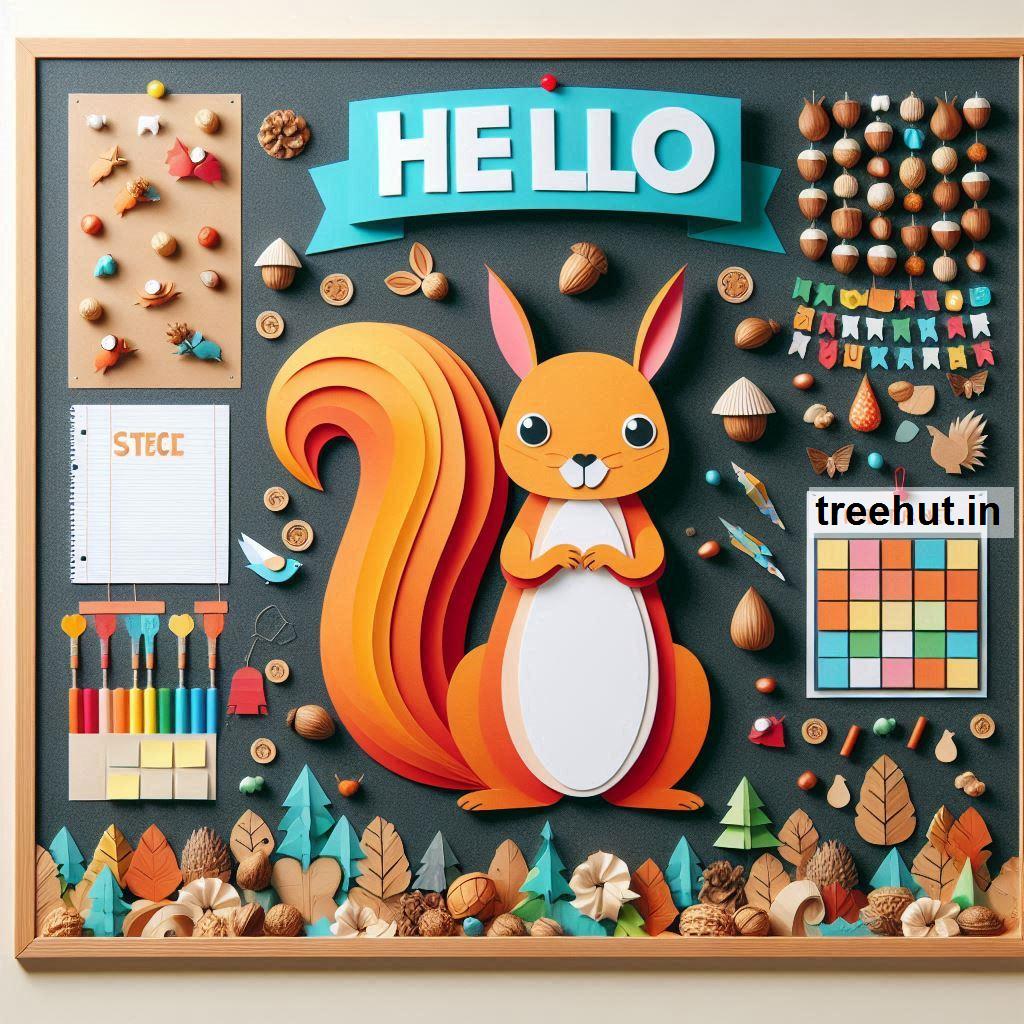
- Design: Design a playful board with a squirrel holding or surrounded by acorns. Include some acorn illustrations or cutouts that students can write their own squirrel facts or answers on.
- Details: Acorns can be used as a visual element where students can write facts about squirrels, or teachers can add math or spelling words on them for an interactive component.
- Heading: "Squirrels and Acorns: Nature's Treasure Hunt"
3. "Squirrel Habitat"
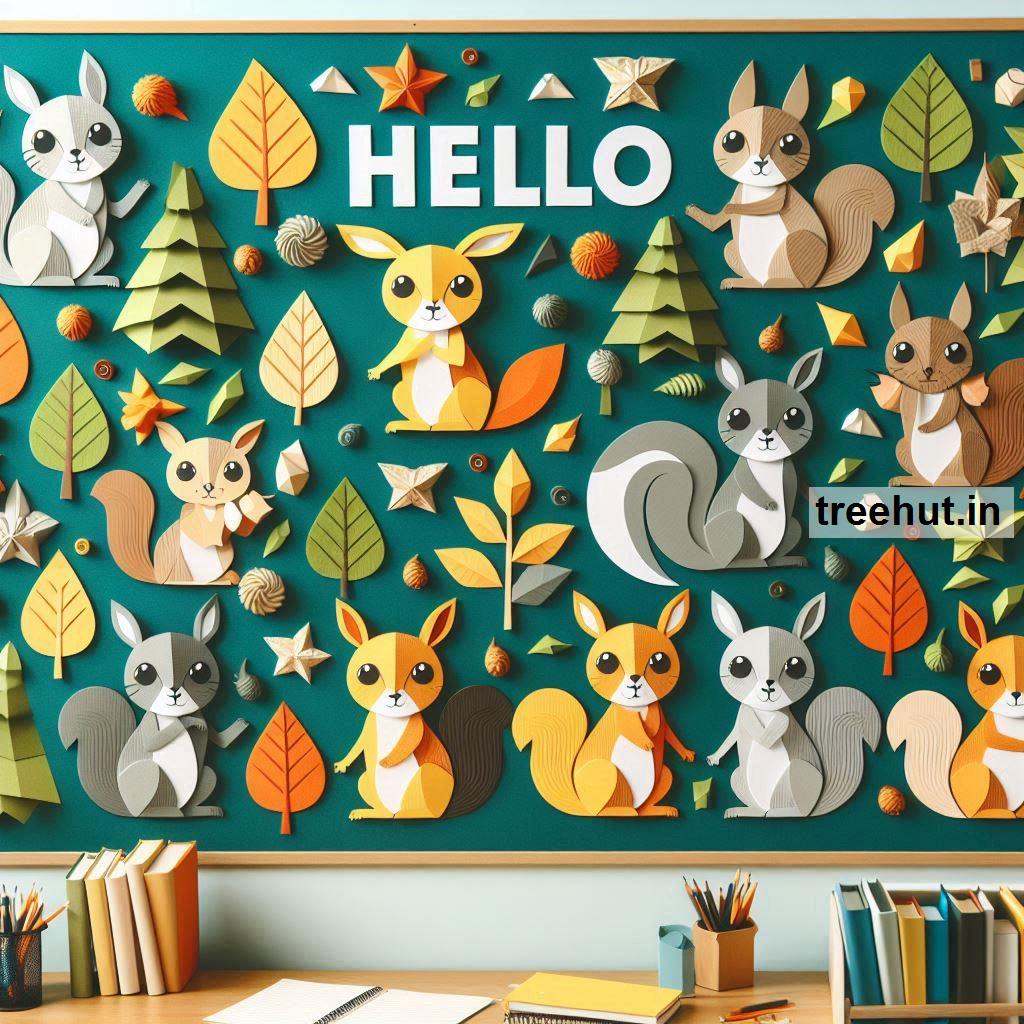
- Design: Showcase a large, wooded forest scene with squirrels running around, jumping from tree to tree, and collecting acorns. Add trees, nests, and forest floor elements.
- Details: Each squirrel can be labeled with facts about their habitats, such as where they live, what they eat, and how they prepare for winter. Use leaves or trees to surround the board and show the squirrel’s environment.
- Heading: "Home Sweet Nest: All About Squirrels!"
4. "Autumn with Squirrels"
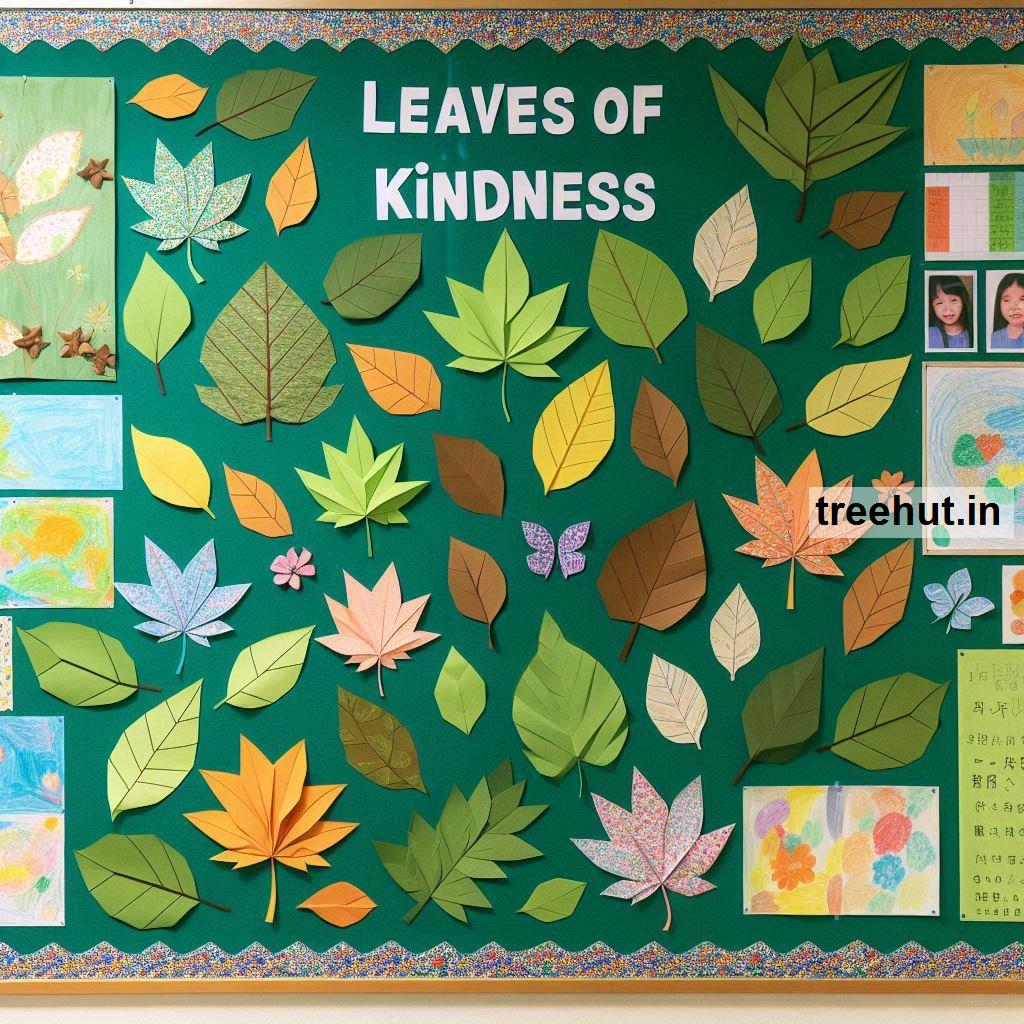
- Design: Create an autumn-themed board with colorful fall leaves, squirrels gathering acorns, and a cozy nest. Use shades of orange, red, yellow, and brown for an autumn feel.
- Details: Include information about how squirrels prepare for winter and the seasonal changes they experience. You can add fun autumn-related facts like "Squirrels love fall's harvest!" and highlight their activity in colder months.
- Heading: "Squirrels in Autumn: Gathering for Winter!"
5. "The Busy Life of a Squirrel"
- Design: Depict the daily life of a squirrel with illustrations or photos that show its activities, from gathering food to building nests. Show a "timeline" of their day in a fun, visual way.
- Details: Use speech bubbles or small notes to explain the squirrel's behavior, like "Squirrels love to stash food for the winter!" or "They run up trees to avoid predators."
- Heading: "The Busy Life of a Squirrel: Always on the Go!"
6. "Squirrel Superheroes"
- Design: Give squirrels superhero powers! Design each squirrel as a superhero with powers, such as "Super Speed Squirrel" or "Acorn Collector Squirrel." Create a fun comic-book style board.
- Details: Highlight how squirrels use their natural abilities, like agility, climbing, and memory, to survive and thrive in the wild.
- Heading: "Squirrel Superheroes: Nature's Heroes!"
7. "Squirrel Anatomy"
- Design: Create a detailed diagram of a squirrel, showing different parts of its body and how they help it survive. Focus on the squirrel’s tail, sharp claws, and memory capabilities.
- Details: Label parts like the ears, paws, tail, and teeth. You could also add fun facts about each feature, such as "A squirrel’s bushy tail helps it balance!"
- Heading: "Squirrel Anatomy: Nature's Clever Design"
8. "Squirrel vs. Acorn"
- Design: Create a playful “competition” theme, where the squirrel is trying to collect acorns and prepare for winter. Use visuals of squirrels in different scenarios trying to outsmart the acorn’s hiding spots.
- Details: Add interactive elements where students can add their own "strategy" or ideas on how the squirrel could outwit the acorn. Focus on the squirrel’s memory and intelligence in hiding food.
- Heading: "Squirrel vs. Acorn: Who Will Win the Winter Prep?"
9. "Squirrel Tracks"
- Design: Display a variety of squirrel tracks on the board that students can "follow" across the forest. Have fun with the shapes of the tracks, turning them into arrows, paths, or trails.
- Details: Include information about the different kinds of animals squirrels share their environment with and how they leave tracks in the dirt or snow. Make the tracks interactive, where students can trace them with markers or stickers.
- Heading: "Follow the Squirrel Tracks: Where Will They Lead?"
10. "Squirrels and Their Food"
- Design: Create a bulletin board featuring a variety of squirrel foods, such as acorns, berries, nuts, and seeds. Show how squirrels gather, store, and protect their food for winter.
- Details: Include mini “fact cards” about each food type, such as “Squirrels love acorns because they are rich in fat!” and "Squirrels also eat fungi and tree buds!"
- Heading: "Squirrel Snacks: A Winter Feast!"
Squirrel Classroom Activities
1. "Squirrel Memory Game"
- Activity: Create a memory game where students match cards with different squirrel facts, foods, and behaviors. This can be a fun, interactive way to learn more about squirrels.
- Goal: Develop students' memory and critical thinking skills while teaching them fun facts about squirrels.
2. "Build a Squirrel Habitat"
- Activity: Have students create a diorama or a model of a squirrel’s habitat. They can use materials like clay, paper, and markers to build trees, nests, and food sources, mimicking a squirrel's environment.
- Goal: Help students learn about the natural world and the habitat requirements of squirrels.
3. "Squirrel and Acorn Counting"
- Activity: Use a set of acorn cut-outs or stickers and ask students to count how many acorns the squirrel has gathered. Include math problems like “If the squirrel collects 3 acorns today and 2 tomorrow, how many does it have?”
- Goal: Combine math skills with nature study by incorporating counting and simple arithmetic.
4. "Squirrel Life Cycle Poster"
- Activity: Have students create a poster that illustrates the life cycle of a squirrel, from baby squirrel to adult. Include stages like birth, growth, and learning how to gather food.
- Goal: Teach students about the life cycle of animals and how squirrels grow and mature.
5. "Squirrel Acorn Sorting"
- Activity: Give students different colored paper acorns or small objects to sort by size, color, or type. As they sort, discuss how squirrels gather and sort acorns for the winter months.
- Goal: Practice sorting and categorization skills while tying in fun facts about squirrels' behavior.
6. "Squirrel Obstacle Course"
- Activity: Set up a physical or classroom "obstacle course" where students must act like squirrels, hopping, running, and climbing to gather "acorns" or collect "food" around the room.
- Goal: Encourage physical activity and creativity while mimicking the movement and agility of squirrels.
7. "Squirrel Story Writing"
- Activity: Ask students to write a story from the perspective of a squirrel. They can write about a day in the life of a squirrel, what it does to gather food, and how it prepares for the winter.
- Goal: Foster creativity and writing skills while integrating knowledge about squirrels and their behavior.
8. "Create Your Own Squirrel"
- Activity: Have students draw or create their own version of a squirrel using craft supplies. They can decorate the squirrel’s tail, add accessories, or imagine a special squirrel character.
- Goal: Encourage artistic expression and creative thinking while incorporating the theme of squirrels.
9. "Squirrel Adaptation Experiment"
- Activity: Discuss the adaptations squirrels have made to survive in the wild, such as their ability to store food and climb trees. Create a small science experiment where students can test how animals adapt to their environment (e.g., testing balance, memory games).
- Goal: Engage students in science and biology, teaching them how animals adapt to their environments for survival.
10. "Squirrel Acorn Hunt"
- Activity: Hide paper or plastic acorns around the classroom or playground and have students find them. Each acorn can have a fact about squirrels or a math problem written on it that the students must solve.
- Goal: Make learning fun with an interactive treasure hunt that reinforces squirrel knowledge.
Squirrels are playful creatures that can make a fun, interactive, and educational theme for your classroom. These bulletin board and activity ideas can help students learn about squirrels' habitats, behaviors, and the role they play in nature while developing a variety of academic skills, from writing and math to art and physical activity.