20 Diwali Ganesha painting ideas for school projects, Diwali Decoration Ideas for Classroom
Diwali Ganesha painting ideas for school projects, with easy-to-follow techniques that kids and students can enjoy creating during the festive season:
1. Simple Ganesha Outline with Bright Colors
- Materials: Paper or canvas, markers or crayons, paints.
- Technique: Draw a simple outline of Ganesha with basic shapes. Fill the outline with bright and bold colors, using kid-friendly materials like markers or crayons.
- Tip: Keep the design simple, focusing on recognizable features like Ganesha’s trunk and crown.
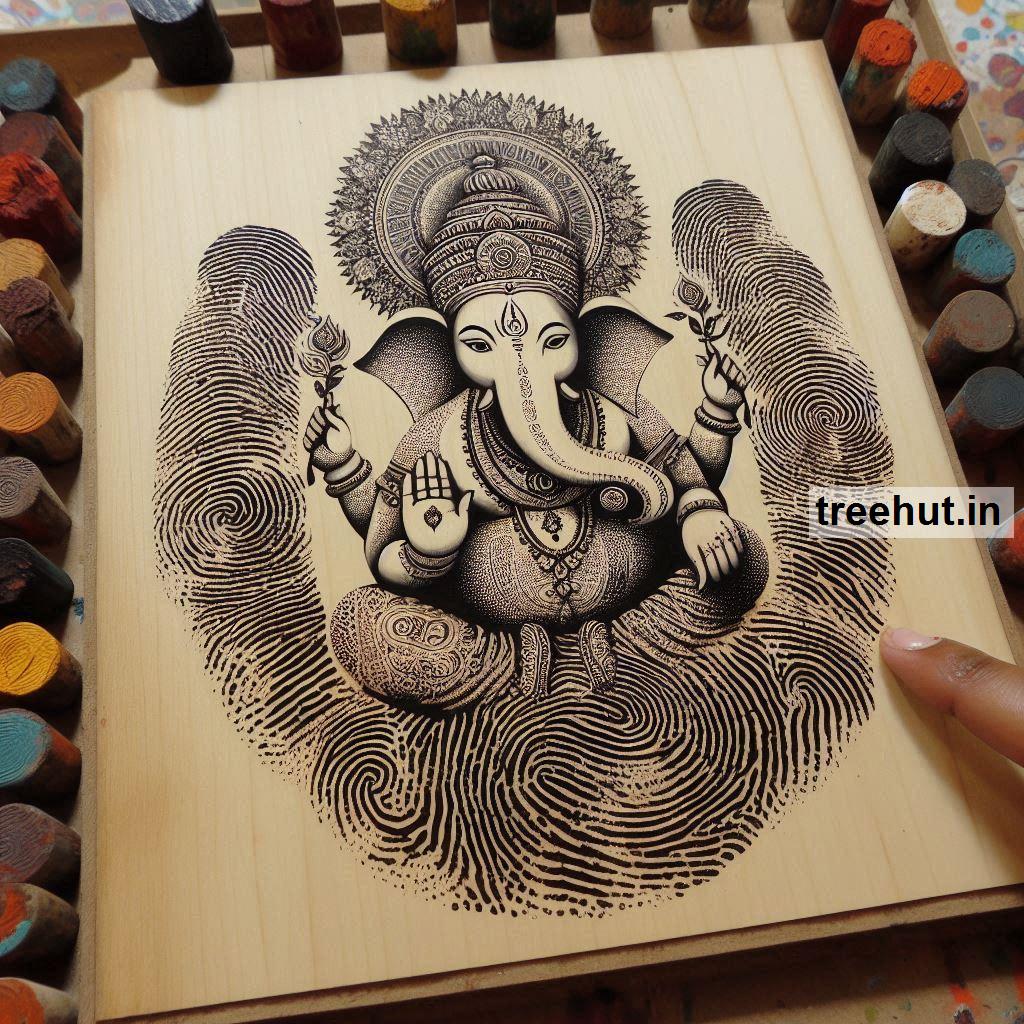
2. Ganesha Finger Painting
- Materials: Paper, non-toxic paints, and aprons.
- Technique: Use finger painting to create Ganesha’s image. Paint the large shapes first, such as the body and head, and let students use their fingers to create details like the trunk and eyes.
- Tip: Use different colors for various parts of Ganesha to make the painting vibrant and fun.
3. Ganesha Collage Art
- Materials: Construction paper, glue, scissors.
- Technique: Cut out simple shapes from construction paper to assemble Ganesha’s form. Glue them onto a large sheet of paper, allowing students to create their version of Ganesha using basic shapes like circles and triangles.
- Tip: Let students decorate the collage with extra items like glitter or stickers for added fun.
4. Ganesha with Sponge Painting
- Materials: Paper, sponges, non-toxic paints.
- Technique: Dip sponges in paint and use them to fill in a pre-drawn outline of Ganesha. This technique is simple for younger students and gives the artwork a textured look.
- Tip: Use different sponge sizes to create various details in the painting.
5. Dot Painting Ganesha
- Materials: Q-tips, acrylic paints, paper or canvas.
- Technique: Draw or print a simple outline of Ganesha. Have students dip Q-tips into paint and make dots along the outline, gradually filling in the image with dots of different colors.
- Tip: Use contrasting colors to make the design stand out and teach students about patterns.
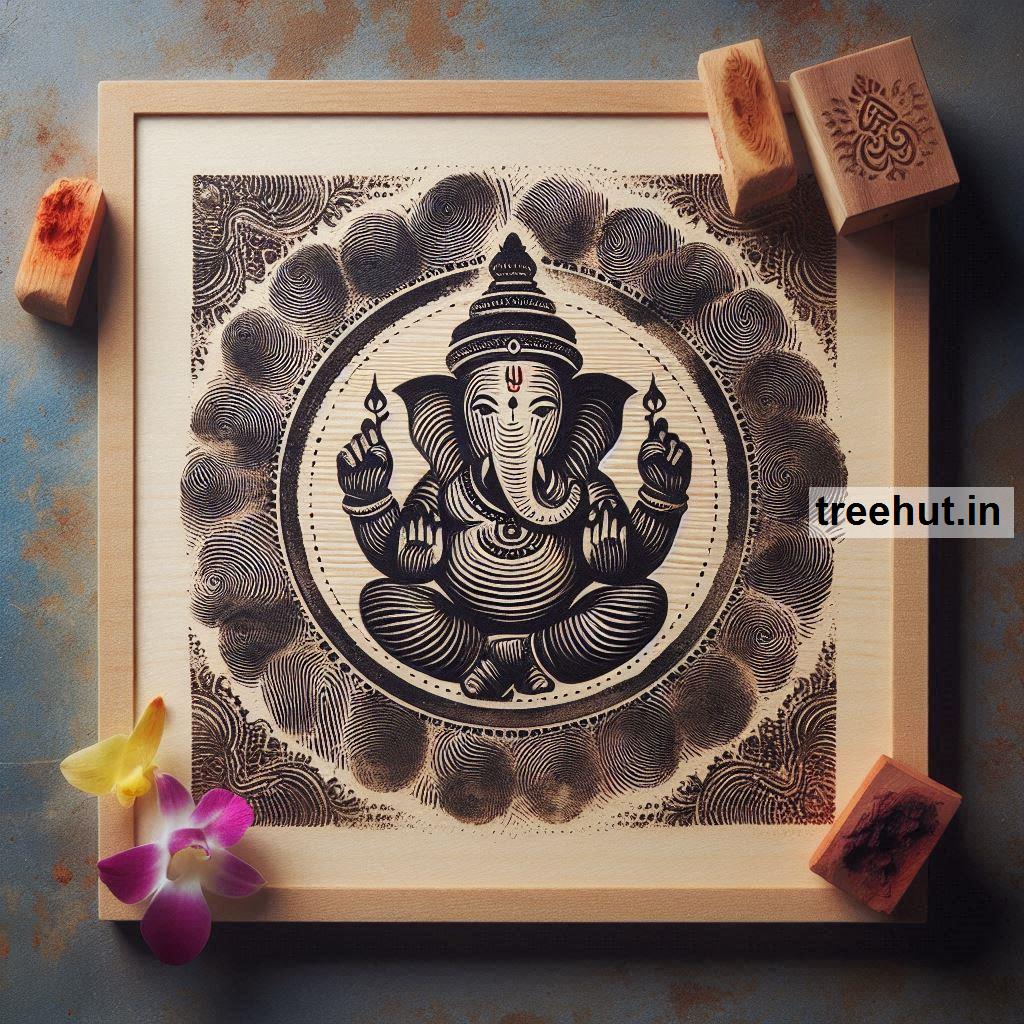
6. Ganesha Mandala Art
- Materials: Paper, pencils, markers, or crayons.
- Technique: Draw Ganesha in the center and fill the surrounding space with mandala patterns. This can be a fun way for students to explore both traditional Indian motifs and symmetry.
- Tip: Start with a simple Ganesha drawing and guide students through creating repeating patterns around it.
7. Ganesha in a Diwali Scene
- Materials: Paper, paints or crayons, and decorative materials (glitter, sequins).
- Technique: Have students paint Ganesha surrounded by traditional Diwali elements like diya lamps, fireworks, and rangoli designs. Encourage them to use bright, festive colors.
- Tip: Use glitter to highlight diya lamps or fireworks to make the painting pop.
8. Ganesha Silhouette with a Sunset Background
- Materials: Paper, paints, brushes.
- Technique: Students can create a sunset background by blending orange, yellow, and red paints. Once the background is dry, they can add a simple black silhouette of Ganesha in the foreground.
- Tip: Teach students how to blend colors for the sunset effect.
9. Ganesha with Leaf Printing
- Materials: Leaves, paint, paper, brushes.
- Technique: Paint the leaves in various colors and use them to stamp around a drawing of Ganesha. This gives the artwork a nature-inspired look.
- Tip: Use real leaves of different shapes and sizes to create variety in the background.
10. Ganesha on a Paper Plate
- Materials: Paper plates, paints, and markers.
- Technique: Students can paint Ganesha’s face on a paper plate. The circular plate can represent Ganesha’s head, and they can add features like ears and the crown with paper cutouts or by drawing them directly on the plate.
- Tip: This is great for younger students as the plate provides a simple and contained space for painting.
11. Ganesha with Symmetry Art
- Materials: Paper, paint, brushes.
- Technique: Fold a piece of paper in half. On one side, students paint Ganesha’s face or form. Then, fold the paper to press the paint onto the other side, creating a mirror image. This teaches symmetry and results in an interesting effect.
- Tip: Encourage students to use bright Diwali colors like red, orange, and gold.
12. Ganesha and Rangoli Combo Art
- Materials: Paper, crayons, markers.
- Technique: Draw a simple Ganesha in the center of the paper and fill the edges with rangoli designs using colorful markers or crayons. This combines two classic Diwali art forms.
- Tip: Provide students with rangoli design templates if needed, or let them get creative with freehand patterns.
13. 3D Ganesha with Recycled Materials
- Materials: Cardboard, tissue paper, glue, paints.
- Technique: Use cardboard to cut out simple Ganesha shapes, and then have students glue tissue paper over them to create a textured, 3D look. They can paint over the tissue paper once it's dry.
- Tip: Reuse old cardboard boxes to make this a sustainable project.
14. Ganesha Mosaic
- Materials: Colored paper, glue, black outline of Ganesha.
- Technique: Draw or print a black outline of Ganesha on paper. Students can tear small pieces of colored paper and glue them inside the outline to create a mosaic effect.
- Tip: Use bright, festive colors to make the mosaic more attractive.
15. Ganesha in a Frame
- Materials: Cardstock, glue, markers, small decorations like beads.
- Technique: Have students draw or paint Ganesha and then create a “frame” around their artwork using cardstock and decorative items like beads, sequins, or small mirrors.
- Tip: Encourage students to design their frames with traditional Indian motifs like flowers or paisleys.
16. Fabric Ganesha
- Materials: Fabric scraps, glue, markers or fabric paint.
- Technique: Cut Ganesha’s basic shapes out of fabric scraps and glue them onto a canvas or large sheet of paper. Students can use fabric paint to add details.
- Tip: Use colorful fabric to represent Ganesha’s clothing and accessories.
17. Ganesha with Cotton Ball Clouds
- Materials: Paper, cotton balls, paint, glue.
- Technique: Paint Ganesha flying in the sky, and use cotton balls to create clouds around him. This adds a fun, textured element to the painting.
- Tip: Spread out the cotton balls to create soft, fluffy clouds.
18. Ganesha with Diya Designs
- Materials: Paper, markers or crayons, stickers.
- Technique: After drawing Ganesha, students can draw diya lamps around him to symbolize Diwali. Use stickers or glitter to decorate the diyas.
- Tip: Encourage students to experiment with diya designs, incorporating different shapes and colors.
19. Ganesha with a Stencil Design
- Materials: Stencils of Ganesha, paints, sponges.
- Technique: Use pre-made stencils of Ganesha for younger students. They can sponge-paint inside the stencil for a neat and easy result.
- Tip: Allow students to add their personal touch with extra decorations like glitter or stickers.
20. Ganesha with Puzzle Pieces
- Materials: Old puzzle pieces, glue, paint, paper.
- Technique: Students can glue old puzzle pieces onto a Ganesha outline and paint over them. This adds a 3D effect and recycles old materials.
- Tip: Use large puzzle pieces for younger students to handle easily.
These school-friendly Diwali Ganesha painting ideas allow students of all ages to engage in creative and festive artwork while learning about Diwali traditions. The projects are adaptable for different skill levels and can be customized with various materials based on what is available.