





Whale Bulletin Board Ideas, Door Decor, Hallway Display and Ocean Classroom Games and Activities in Elementary School
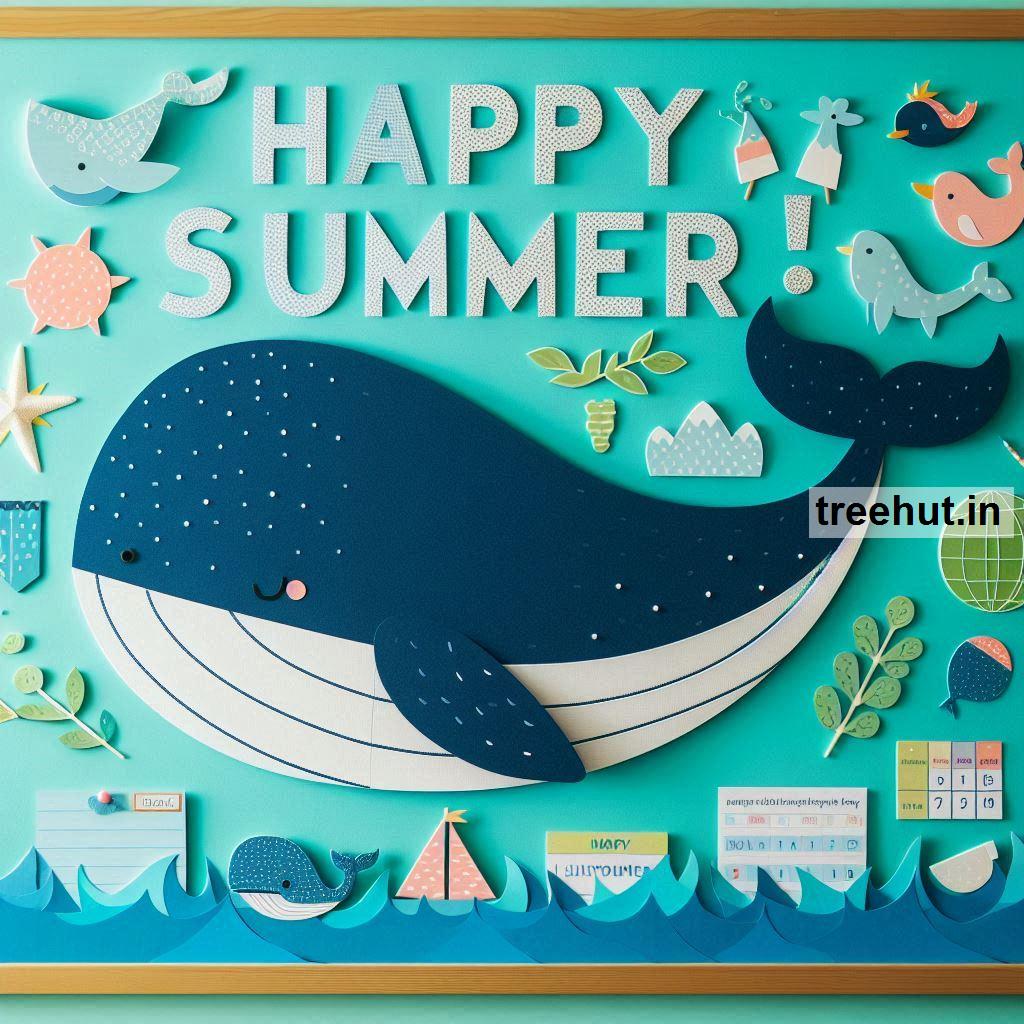
A whale-themed bulletin board is ideal for teaching about marine life, ecosystems, environmental conservation, and the ocean. Use it during lessons on water habitats, Earth Day, or when focusing on topics such as size comparisons, animal migration, or environmental protection. Whales, as gentle giants, symbolize depth, exploration, and the beauty of the underwater world, making them perfect for inspiring curiosity and wonder in students.
Bulletin Board Ideas
"Dive into Learning!"
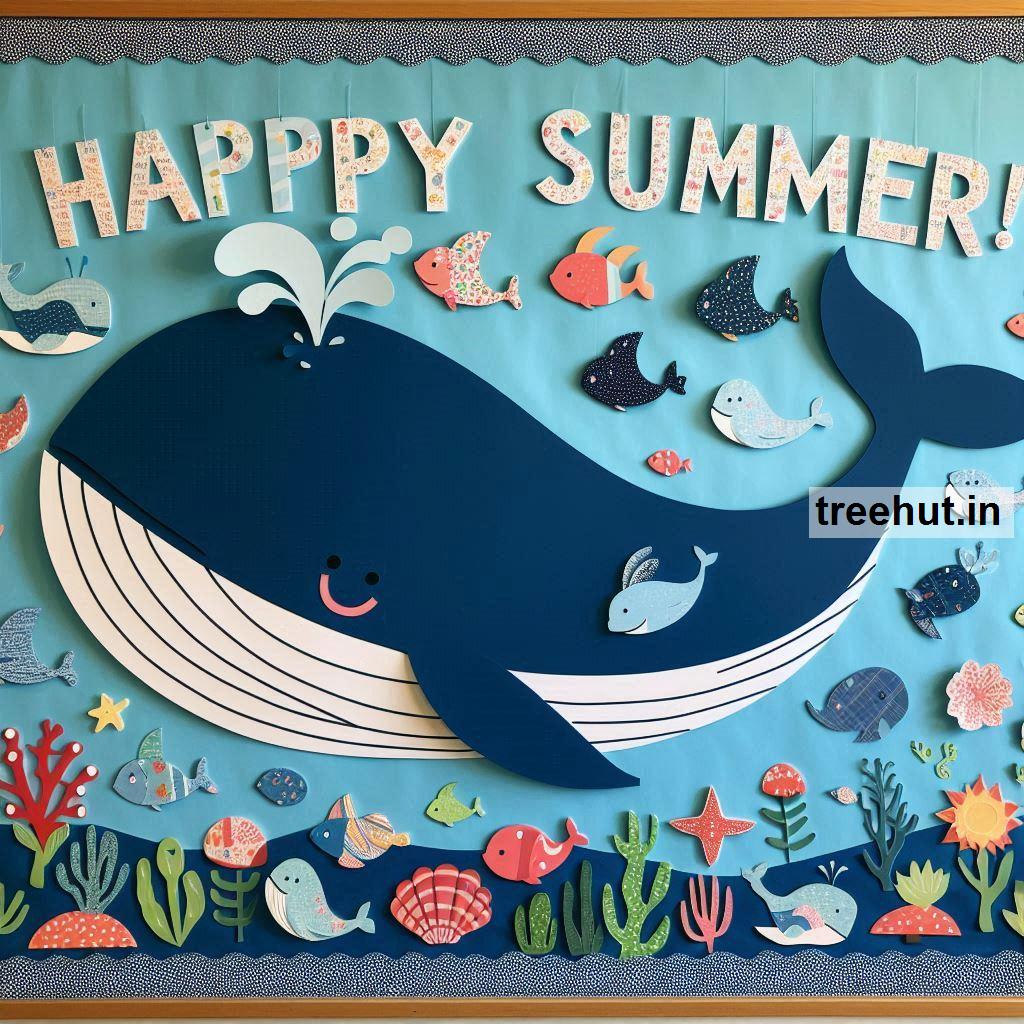
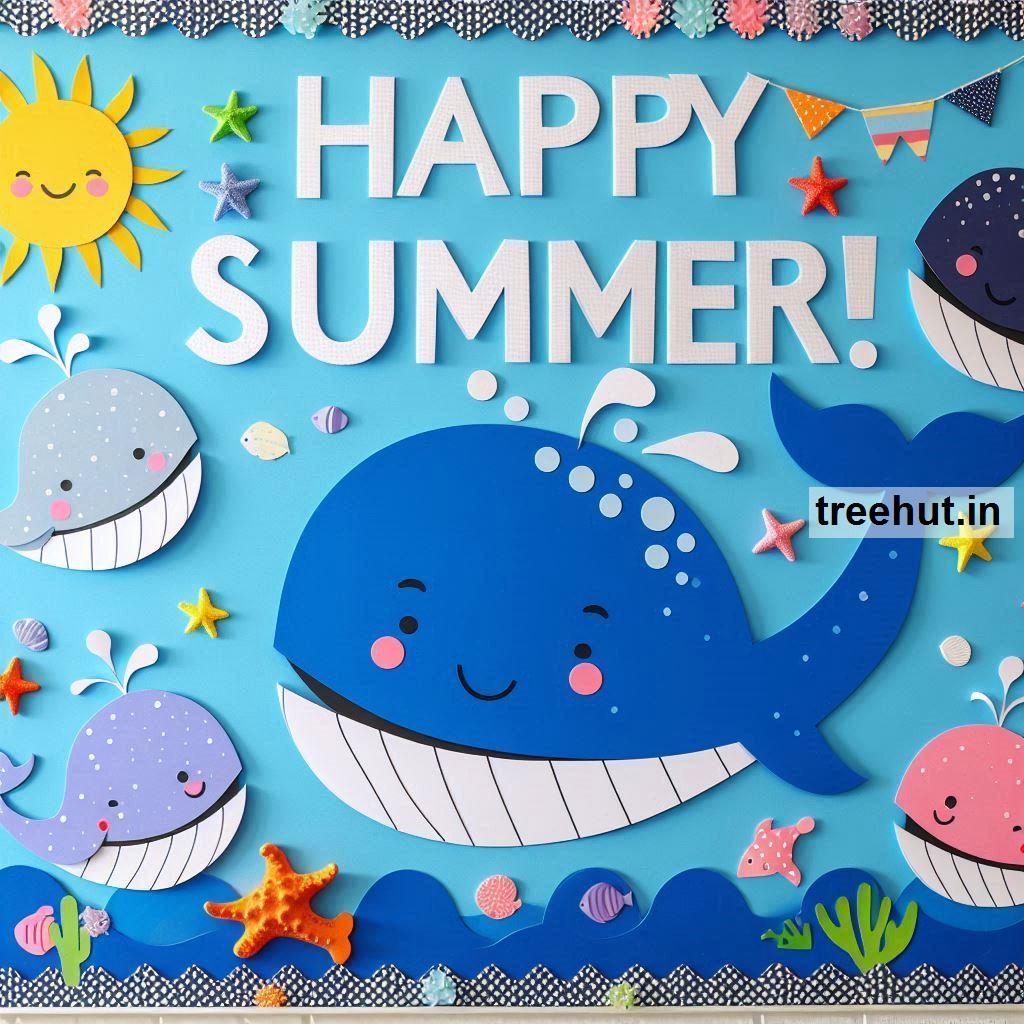
Decorate with a majestic whale splashing through waves. Use the ocean backdrop to display student work, goals, or class activities, emphasizing deep thinking and the excitement of discovery."Making Waves in Our Classroom!"
Feature a whale and wave motifs to highlight student achievements, participation, or teamwork. Each wave can represent a milestone, and the whale can "swim" toward collective goals."Whale of a Good Time!"
Use this fun theme to display classroom rules, student expectations, or special events. The playful whale imagery keeps the board lively and inviting for younger students.
Door Decor Ideas
"Welcome to the Ocean of Knowledge!"
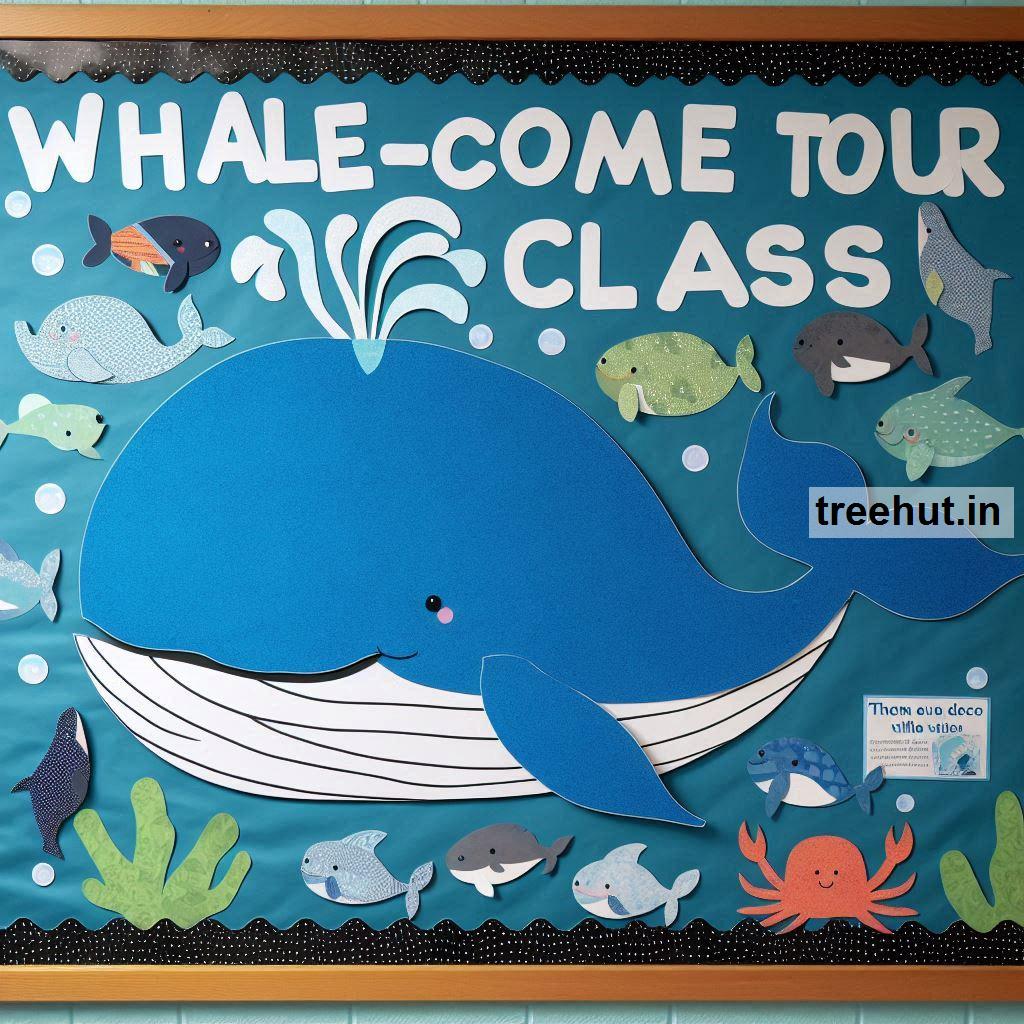
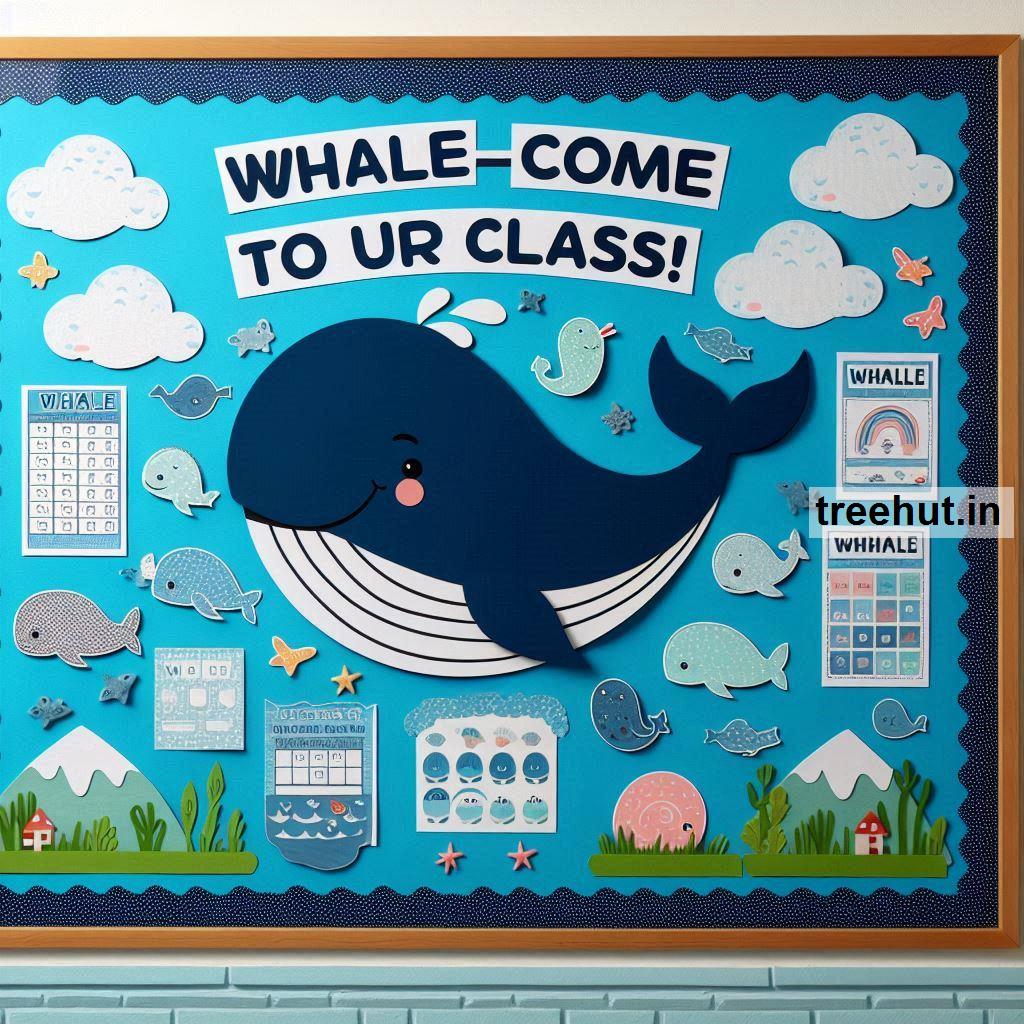
Create a whale-themed door with underwater scenery to greet students. Add their names on bubbles or fish swimming alongside the whale, representing a unified classroom community."Whale-come to Our Class!"
A welcoming door decoration that features a large whale and waves, with each student's name included on a bubble or seashell, making them feel part of the classroom "pod."
Hallway Display Ideas
"Whale of a Year!"
Display student work, projects, or highlights from the school year using a giant whale illustration. Create an ocean scene that emphasizes progress and learning milestones."Swimming Through Knowledge!"
A dynamic hallway display with a whale navigating through different subject areas. Use this to showcase interdisciplinary projects or to track classroom progress across multiple topics.
Classroom Games and Activities
"Whale Watching!"
Hide whale cutouts around the classroom, each with a fun fact or question about marine life. Students can search for the whales and answer the questions as part of a scavenger hunt."Whale of a Question!"
Post whale-themed questions about science, math, or geography on the board. Students take turns answering and earn points for each correct answer, fostering a competitive and educational environment.
Craft and Art Activities
"Create Your Own Whale!"
Students design and color their own whales, learning about the different types of whales and their unique features. This can tie into lessons about marine biology or endangered species."Whale Tail Art!"
Introduce students to symmetry by having them create whale tail designs, incorporating different patterns or colors to personalize their artwork. This can also connect to lessons on marine ecosystems and conservation.
Classroom Learning Activities
"Whale Migration Mapping!"
Teach students about whale migration by having them map out the journey of different whale species across the globe. They can learn about ocean currents, migration patterns, and the importance of protecting whale habitats."Ocean Ecosystem Exploration!"
Use the whale as a symbol to explore broader ocean ecosystems. Students can create posters or dioramas showcasing the food chains, habitats, and interactions between different marine species.
Classroom Reading Activities
"Whale Tales!"
Feature books and stories about whales, such as The Snail and the Whale by Julia Donaldson or Baleen: The Whales' Filters by Jerry Pallotta. These stories can spark discussions on marine life, friendship, and cooperation."Dive into Reading!"
Set up a reading challenge where students "dive deeper" into their books and earn whale stickers or ocean-themed rewards for each completed reading task.
Classroom Competitions
"Whale Size Comparisons!"
Organize a math competition where students estimate and compare the sizes of different whale species. This ties in with lessons on measurement, scale, and animal biology."Whale Fact Quiz!"
A fun and educational quiz focused on whale facts, behaviors, and habitats. This can serve as a review for a marine biology or ecosystems unit.
Classroom Learning Extensions
"Whales and Environmental Conservation!"
Discuss the importance of whale conservation and the threats whales face from pollution, climate change, and human activity. Students can research ways to protect whales and create advocacy posters or presentations."Whale Research Projects!"
Have students choose a whale species to research, learning about their diet, behavior, migration patterns, and role in the ocean ecosystem. They can present their findings to the class in a creative way, such as a poster or model.
Classroom Competitions
"Whale Migration Race!"
Organize a classroom game where students race to answer questions about whale migration, habitats, or marine life. The first group to answer all the questions correctly wins, making learning fun and competitive."Whale Vocabulary!"
Host a vocabulary competition where students learn and use whale-related words, such as "baleen," "blubber," or "echolocation." Encourage them to incorporate these terms into their writing or conversations.
Whale-themed bulletin boards and activities provide an inspiring way to teach lessons on marine biology, environmental conservation, and ecosystems. Whales, with their enormous size and gentle nature, capture students' imaginations and encourage them to explore the depths of the ocean and the importance of protecting our planet.